
 Business License

Garden Hoes: Types, Materials, and Wholesale Buying Guide
The garden hoe is one of the oldest and most essential tools in agriculture. From backyard vegetable patches to commercial farms, it remains indispensable for weeding, soil cultivation, trenching, and planting. For wholesalers and retailers, understanding hoe types, material quality, and market demand is key to sourcing products that sell. This guide covers everything B2B buyers need to know.
1. Types of Garden Hoes
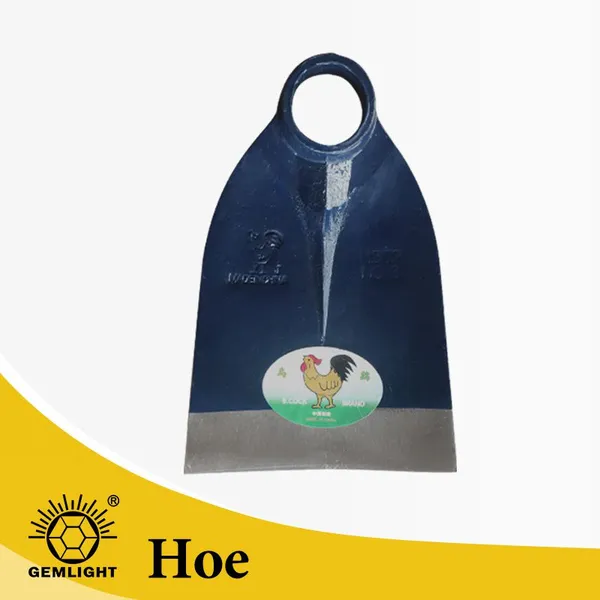
Draw Hoe (Standard Hoe) — The classic design with a flat blade set at a right angle to the handle. Pulled toward the user, it is ideal for breaking ground, hilling, and shaping beds. Blade widths range from 4 to 8 inches; larger blades suit agriculture, narrower ones suit precision gardening.
Dutch Hoe (Push Hoe) — Designed to push forward through soil, slicing weeds below the surface with minimal disturbance. Popular in European markets and among organic gardeners.
Triangular Hoe (Korean-Style) — A pointed triangular blade excels at digging narrow furrows and working in tight spaces. Widely used in Asian markets, with growing demand in Western specialty retail.
Warren Hoe (Heart-Shaped) — Arrow-shaped blade for creating planting furrows and small holes. Common in vegetable gardens for seeding and transplanting.
Double-Ended Hoe (Two-in-One) — Combines two blade shapes on a single head, such as a standard blade on one side and a cultivator on the other. Appeals to home gardeners seeking versatility.
Hand Hoe (Short-Handled) — Compact and lightweight for flower beds, containers, and raised planters. Popular in urban gardening and tool gift sets.
2. Blade Materials
Carbon Steel — The most common material for mid-range to high-end hoes. High-carbon steel (45# or 65Mn) offers excellent hardness and edge retention. Requires regular oiling to prevent rust.
Railway Steel — Premium, exceptionally tough material sourced from recycled rail tracks. Commands higher prices but delivers unmatched longevity for professional-grade tools.
Stainless Steel — Rust-resistant and low-maintenance, ideal for coastal markets and casual gardeners. Softer than carbon steel, requiring more frequent sharpening.
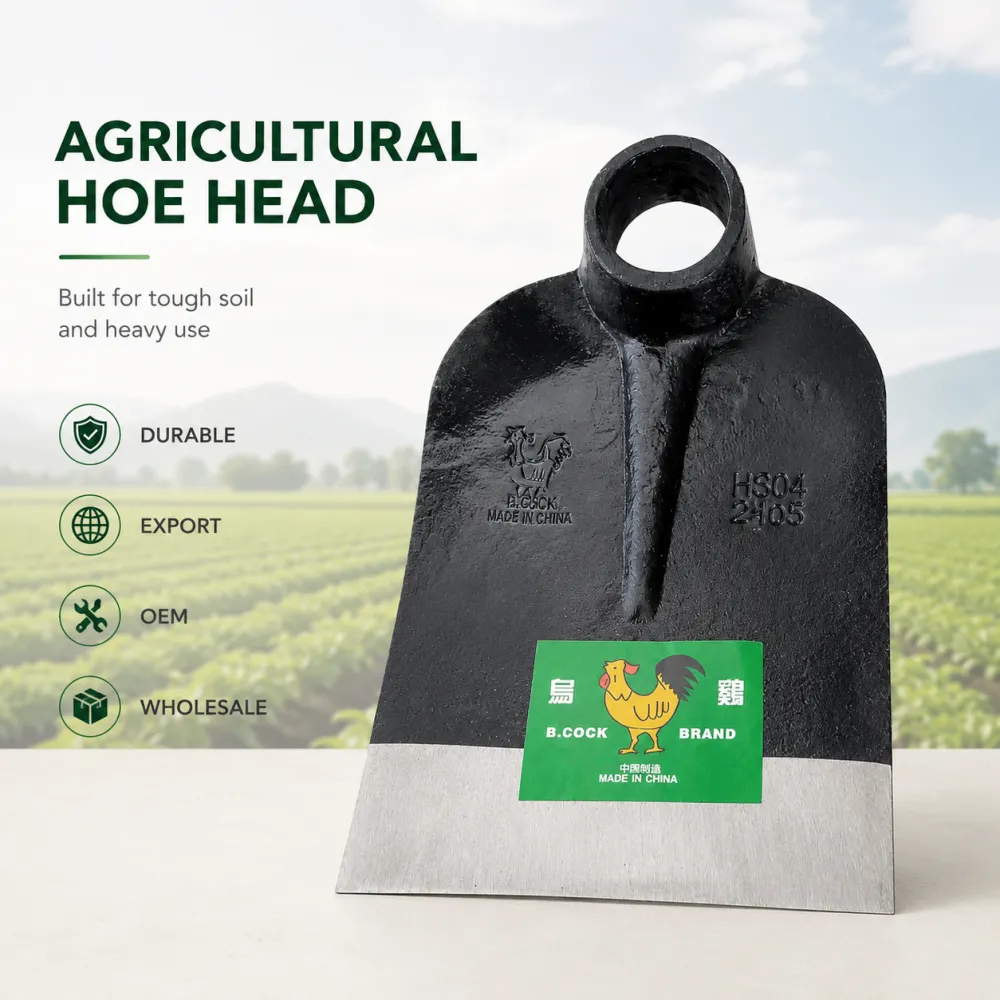
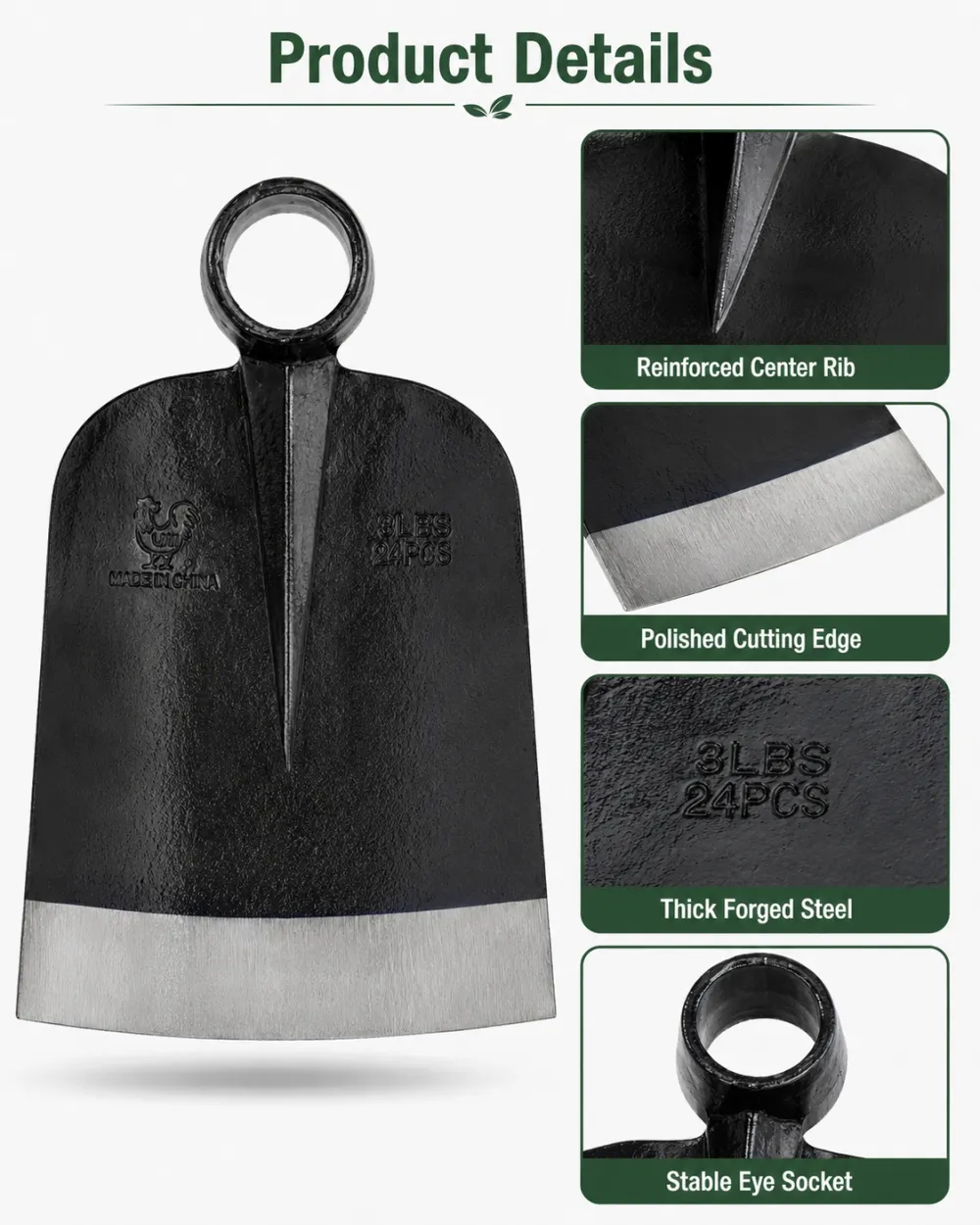
Forged vs. Stamped — Forged heads, shaped from a single heated piece of steel, offer denser grain structure and superior strength. Stamped blades are cheaper but prone to bending under heavy use.
3. Handle Options
Ash Wood — The gold standard for long-handled tools. Combines strength, flexibility, and shock absorption. Strongly preferred in European and North American markets.
Hardwood (Beech, Oak) — Good durability at a lower cost than ash. Suitable for mid-range products.
Fiberglass — Virtually indestructible: rot-proof, warp-proof, and lighter than wood. Appeals to professional landscapers.
Plastic with Rubber Grip — Common on short hand hoes and budget lines. Allows color customization for retail packaging.
Handle length matters:
● Short (12–18 in): hand hoes for close work
● Medium (30–40 in): one-handed garden hoes
● Long (50–65 in): full-size agricultural hoes for two-handed use
4. Wholesale Sourcing Checklist
Blade Thickness
1. : Minimum 1.5–2.0 mm for light duty; 2.5 mm+ for heavy agricultural use.
Heat Treatment
2. : Verify proper quenching and tempering for a hard edge with a tough body.
Handle Connection
3. : Look for a secure socket with reinforcing collar, locking rivets, or through-tang design.
Edge Grinding
4. : Bevel angle of roughly 25–30 degrees. Sharp but not razor-thin.
Surface Finish
5. : Even powder coating or enamel for rust protection. Brushed or polished finish for stainless steel.
Packaging
6. : Retail-ready packaging with barcodes and specs adds value. OEM and private-label options support brand building.
5. Market Trends
Home Gardening Boom
● : Post-pandemic demand remains strong, with North America and Europe as the largest import markets.
Ergonomic Design
● : Curved handles and padded grips command premium pricing.
Sustainability
● : Recycled materials (e.g., railway steel) and eco-friendly packaging resonate with green-conscious buyers.
Multi-Function Tools
● : Two-in-one designs achieve higher margins and better shelf appeal.
6. Care Tips for End Customers
Including care guidance builds trust and reduces returns:
● Clean the blade after each use; dry thoroughly.
● Apply light machine oil to carbon steel periodically.
● Sharpen with a mill file at the start of each season.
● Sand and re-oil wooden handles if they become rough.
● Store in a dry, covered area — wall-hanging is ideal.
Conclusion
The garden hoe may be simple, but the gap between mediocre and premium comes down to details: material quality, forging technique, handle craftsmanship, and finishing. A well-curated range covering different price points and use cases is a proven strategy for steady B2B sales. Whether sourcing draw hoes for agriculture, Dutch hoes for home gardeners, or specialty triangular hoes for niche retailers, prioritizing manufacturing quality ensures your products stand out season after season.
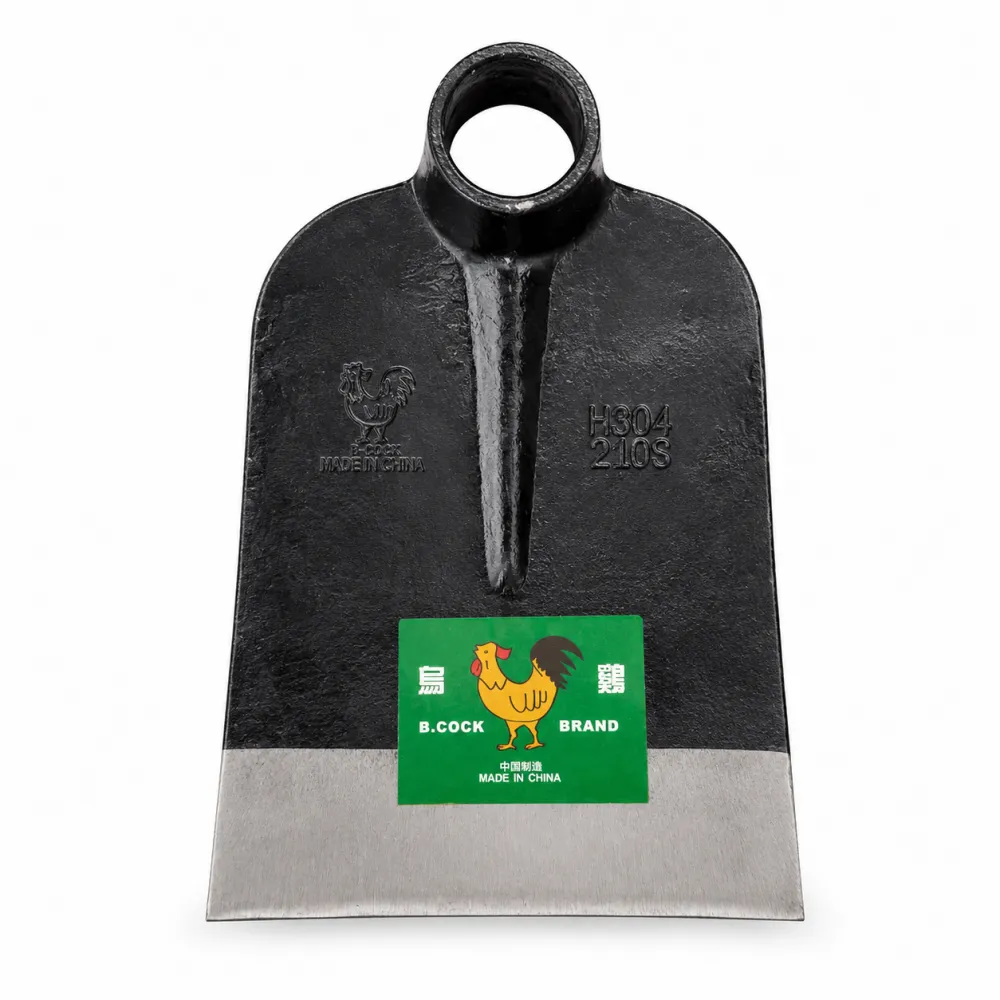
Explore our wholesale hoe collection — forged carbon steel heads, ash wood handles, and customizable OEM options.
Recently Posted
-
Pry Bar vs Crowbar vs Wrecking Bar: What Buyers Actually Need to Know
September 8, 2026Pry Bar vs Crowbar vs Wrecking Bar: What Buyers Actually Need to KnowA practical guide written from the buyer's point of view Read More
 -
Curved Sickle Blades for Importers: A Low-Risk, High-Turnover Line That Sells in Every Season
August 28, 2026Curved Brush Sickle Blades with Pre-Drilled Tangs: The All-Round Cutting ToolFrom grass and weeds to harvest and brush — why a fan Read More
 -
Carbon Steel Sickles from China: The Complete Guide for Farm Tool Distributors
August 14, 2026How to Import Carbon Steel Sickles from China: The Complete Guide for Farm Tool DistributorsA practical step-by-step guide for dis Read More
 -
Heat-Treated Carbon Steel Blades Sickle — Africa's Hottest Farm Tool
August 12, 2026Carbon Steel Sickles: The Complete B2B Buying Guide for Harvest & Farm WorkWhy the world's oldest harvesting tool is still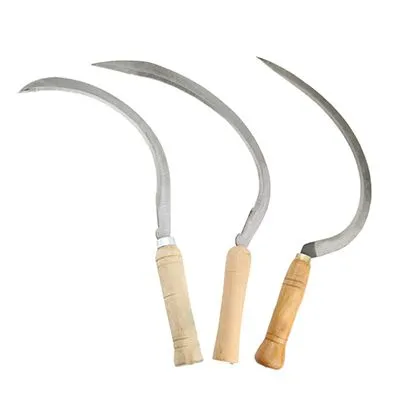 Read More

Contact Us
Recommended Products
-
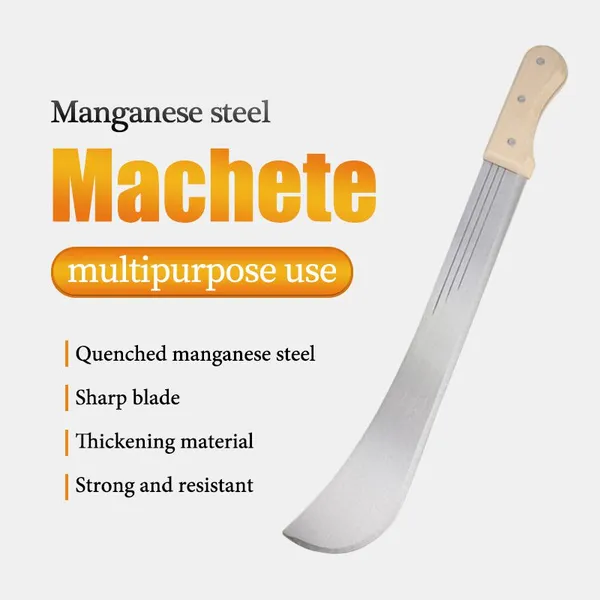
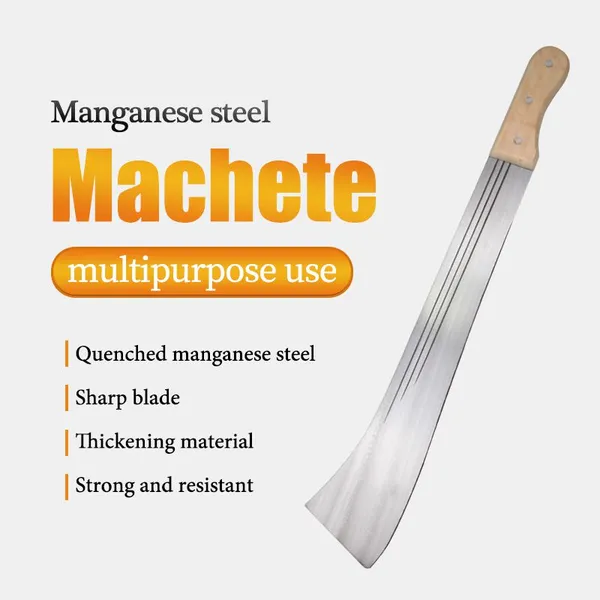
 Heavy Duty Cane Knife Machete for Wholesale Buyers Factory Direct Export for Rural Agricultural Projects Durable Hand ToolNegotiableMOQ: 1200 Pieces
 -
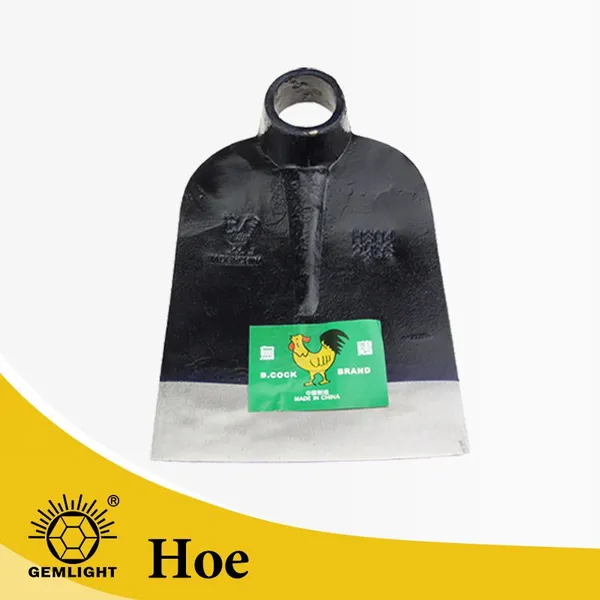
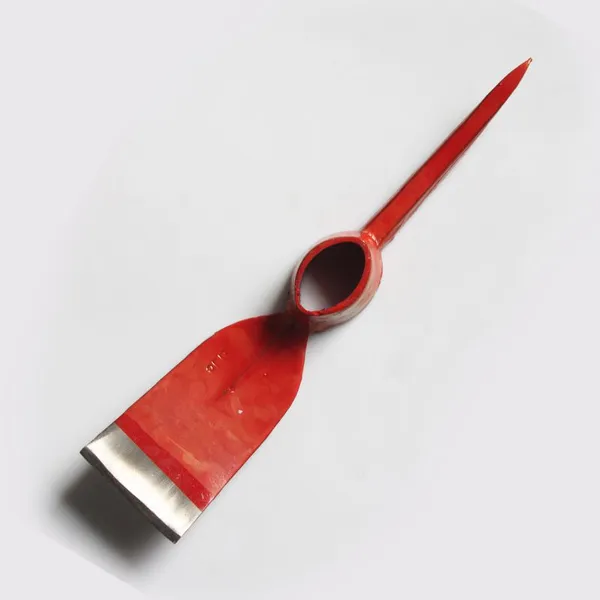
Agricultural Hoe Head Garden Rail Steel Tool for Tough Soil Cheap Price Hand ToolsUS$ 1.07 - 1.27MOQ: 1200 Pieces
-
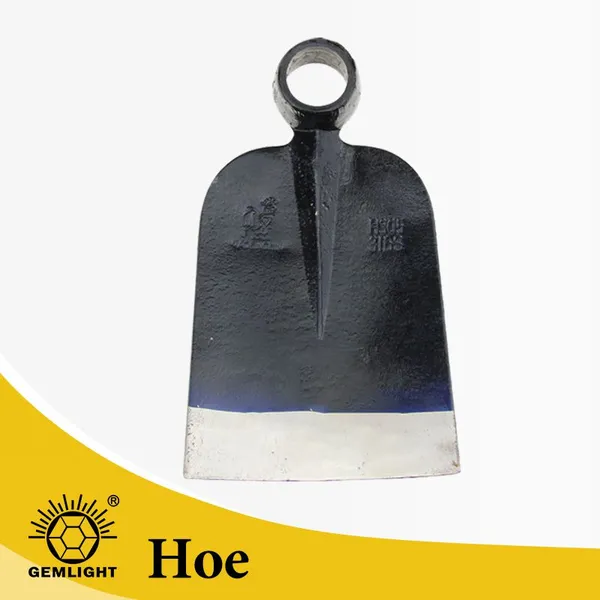
Sturdy Rail Steel Hoe for Weeding, H305 Perfect for Agricultural and Garden TasksUS$ 1.07 - 1.27MOQ: 1200 Pieces
-
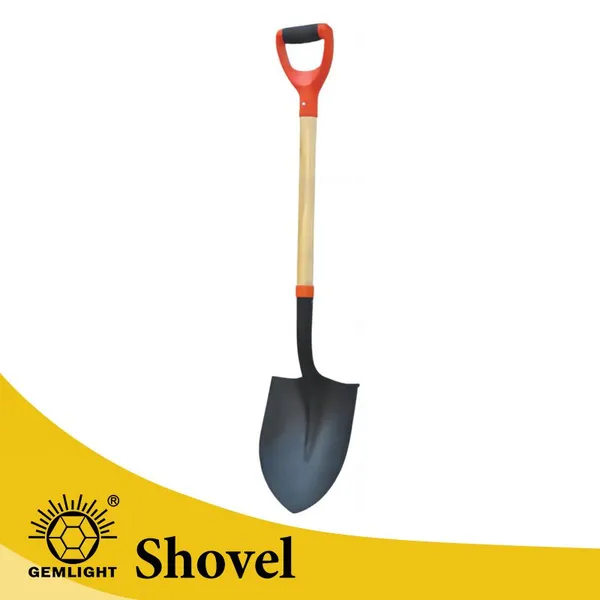
Heavy Duty Manganese Steel Garden Shovel Round Point Digging Shovel With Wooden Handle Farm Tool SupplierUS$ 2.14 - 2.36MOQ: 1200 Pieces
-
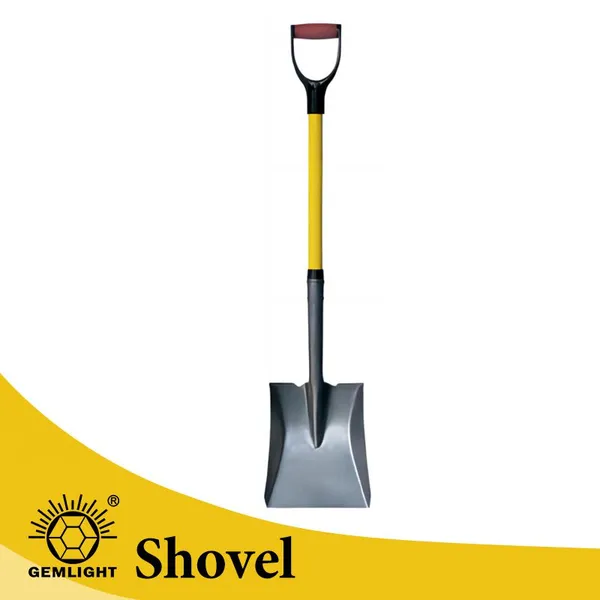
Big Shovel Wide Shovel Mud Shovel Heavy Duty Steel Blade for Farm Drainage Soil Moving Cleaning and Landscaping UseUS$ 2.14 - 2.36MOQ: 1200 Pieces
-
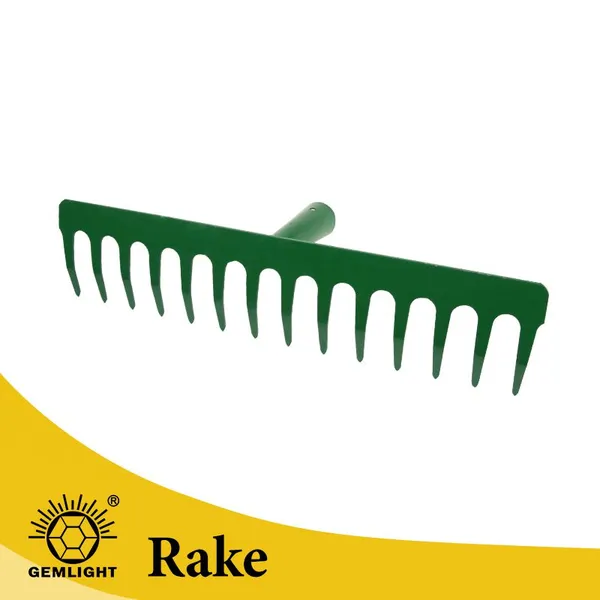
Strong Teeth Soil Rake for Farm Tool Suppliers Private Label Export for Farm Maintenance African Distribution Factory Bulk OrderUS$ 0.88 - 1.35MOQ: 2000 Pieces
-
Manual Cane Knife Machete for Wholesale Buyers Factory Direct Export for Rural Agricultural Projects Durable Hand ToolNegotiableMOQ: 1200 Pieces
-
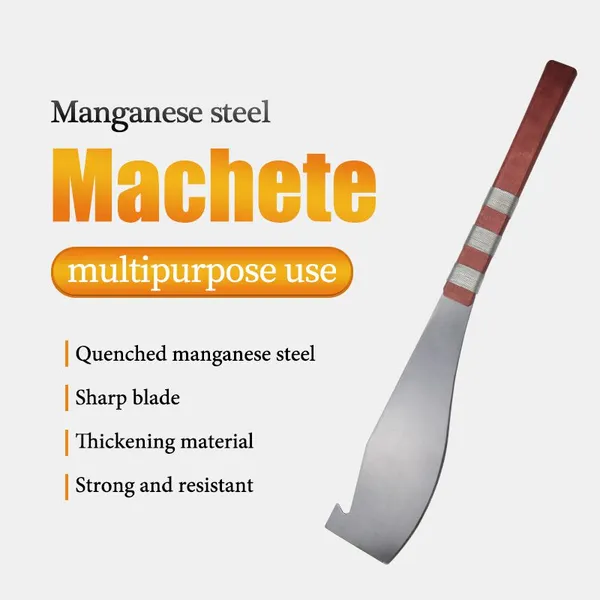
Large High Carbon Steel Machete Knife Agricultural Machete for Farming Bush Cutting Garden Tool SupplierNegotiableMOQ: 1200 Pieces
-
Wholesale Heavy Duty Pick Mattock for Mining Road Work and Farm Digging for Wholesale Tool Dealers With Bulk Order ServiceUS$ 1.85 - 2.3MOQ: 1200 Pieces
-
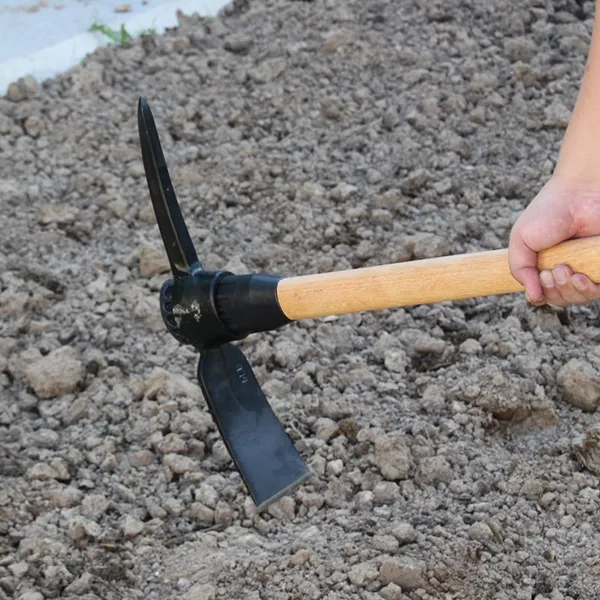
Carbon Steel Manual Pickaxe for Hard Soil Breaking and Trenching for African Importers With OEM Bulk Order Support Agricultural ToolUS$ 1.85 - 2.3MOQ: 1200 Pieces
-
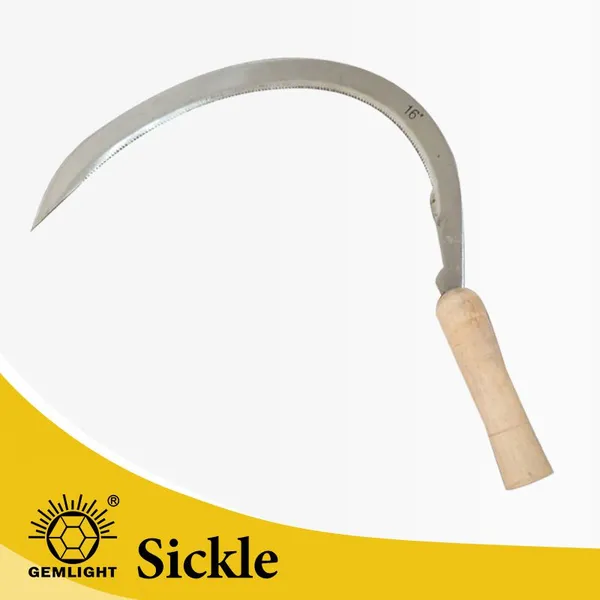
OEM Farm Sickle With Sharp Blade for African Importers OEM Bulk Order Support for Harvesting and Smallholder Farming for Wholesale BUS$ 0.28 - 0.33MOQ: 3000 Pieces
-
Heavy Duty Manganese Steel Round Point Shovel Garden Digging Shovel With Wooden Handle Agricultural Tool ManufacturerUS$ 2.14 - 2.36MOQ: 1200 Pieces
-
Farm Shovel Factory Supply for Regional Import Distributors Bulk Wholesale Supply for Garden Work and Trenching for Agricultural DealersUS$ 2.14 - 2.36MOQ: 1200 Pieces
-
Heavy Duty Garden Rake for African Importers OEM Factory Supply for Agricultural Use African Market Factory Bulk OrderUS$ 0.88 - 1.35MOQ: 2000 Pieces
-
Agricultural Soil Rake for Agricultural Dealers Export Supply for Garden Cleaning African Dealer Channels Factory Bulk OrderUS$ 0.88 - 1.35MOQ: 2000 Pieces
-
Manual Farm Machete for African Importers OEM Factory Supply for Farming and Land Clearing Durable Hand ToolNegotiableMOQ: 1200 Pieces
-
Large Heavy Duty Carbon Steel Garden Landscaping Digging HoeUS$ 1.07 - 1.27MOQ: 1200 Pieces
-
Heavy Duty Rail Steel Mattock Pick Axe With Wooden Handle for Digging Soil Mining and Agricultural Tool SupplierUS$ 1.85 - 2.3MOQ: 1200 Pieces
-
Forged Farm Sickle With Sharp Blade for African Importers OEM Bulk Order Support for Harvesting and Smallholder Farming for WholesalUS$ 0.28 - 0.33MOQ: 3000 Pieces
-
Strong Carbon Steel Farming Sickle for Uganda Tanzania Zambia Agricultural Tool DistributorsUS$ 0.34 - 0.47MOQ: 3000 Pieces