
 Business License

Welded Manganese Steel Shovels Africa's Go-To Tool for Farming and Construction
Welded Manganese Steel Shovels: Africa's Go-To Tool for Farming and Construction
Across Africa, the shovel is a daily workhorse. From maize farmers in Kenya to construction crews in Nigeria, a reliable shovel separates a productive day from a broken tool. This guide covers welded manganese steel shovels — square and pointed types — and why they are built for Africa's demanding conditions.
1. Why Manganese Steel?
Manganese steel (11–14% Mn alloy) has a unique property: it work-hardens under impact. The surface gets harder with use, while the core remains tough and shock-absorbent. This makes it ideal for Africa's tough environments:
● Hard, compacted laterite soils common in West and East Africa
● Rocky and gravel-laden ground in construction and roadwork
● Heavy daily use in farming and artisanal mining
● Abrasive materials like sand, gravel, and cement
A welded manganese steel shovel resists bending, cracking, and edge wear far better than stamped or low-carbon alternatives. For users who depend on tools for their livelihood, durability is the baseline.
2. Welded vs. Stamped Construction
In welded shovels, the blade and shaft socket are formed separately and fused together, rather than stamped from one sheet. Benefits include:
Stronger Socket
● : The blade-to-handle joint — the most common failure point — is reinforced by the weld.
Thicker Blade
● : Allows heavier-gauge steel without compromising the forming process.
Better Quality Control
● : Welding delivers more consistent results than full stamping, where stress-point thinning is a known issue.
For importers, fewer warranty claims mean a direct improvement to the bottom line.
3. Square Shovel: Built for Loose Materials
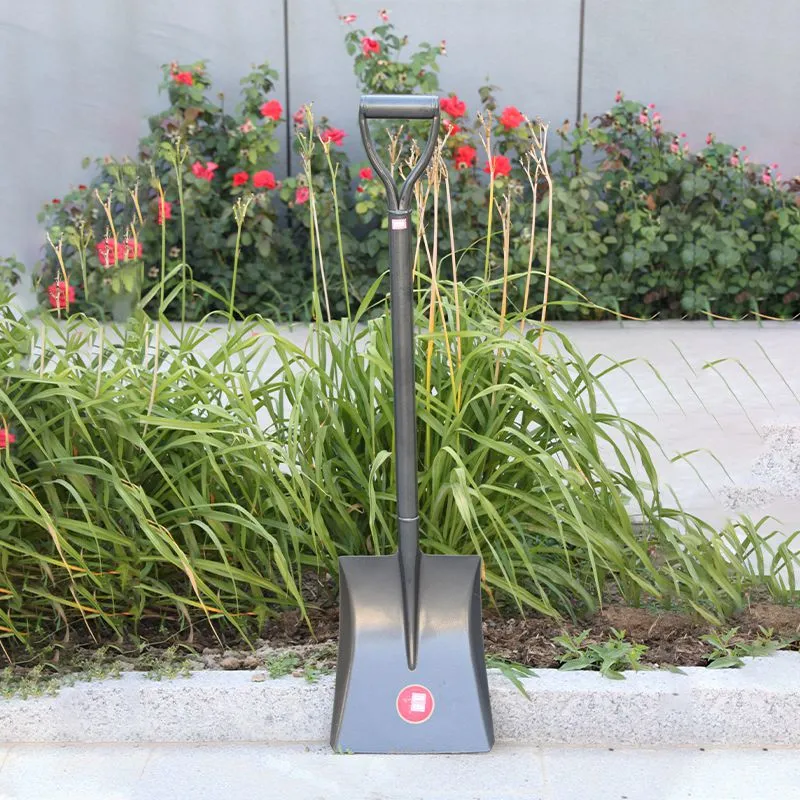
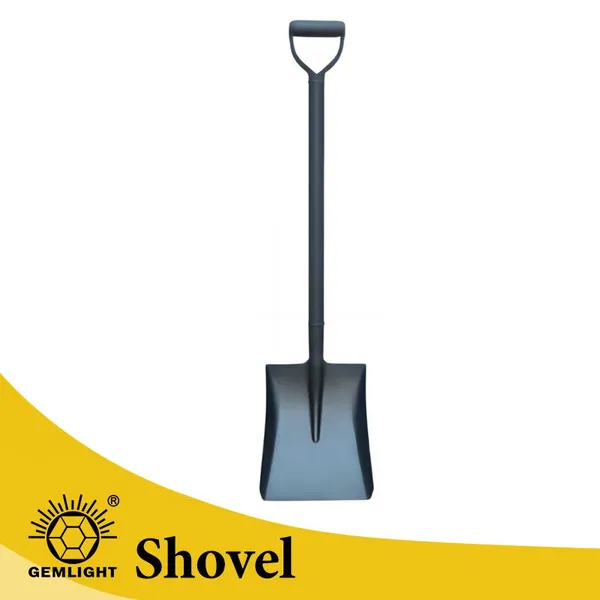
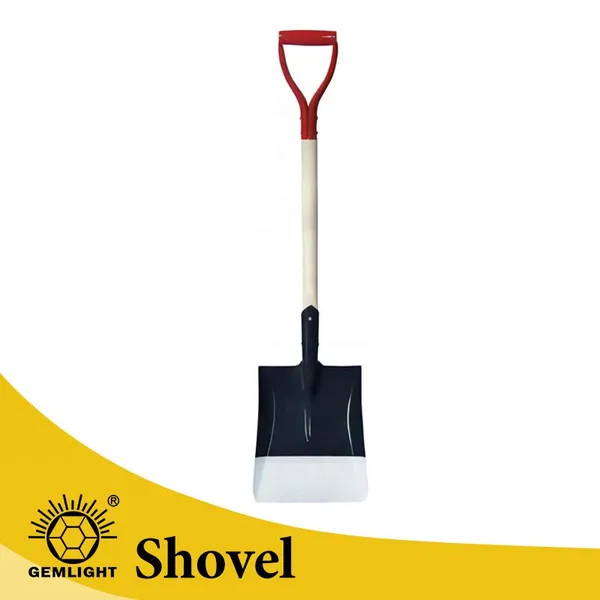
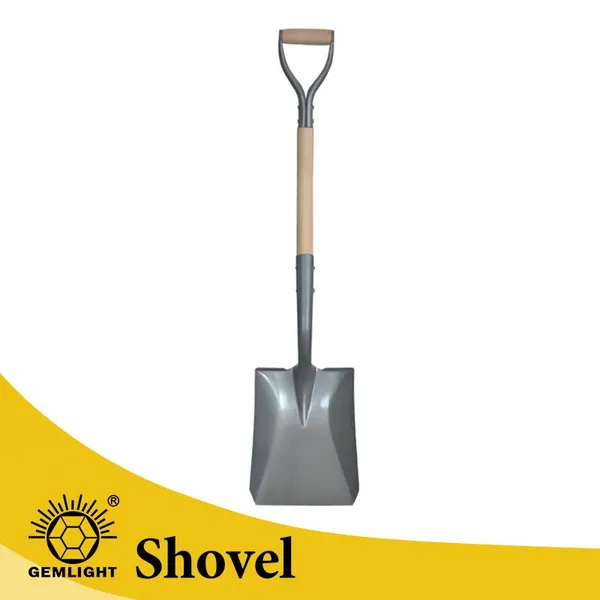
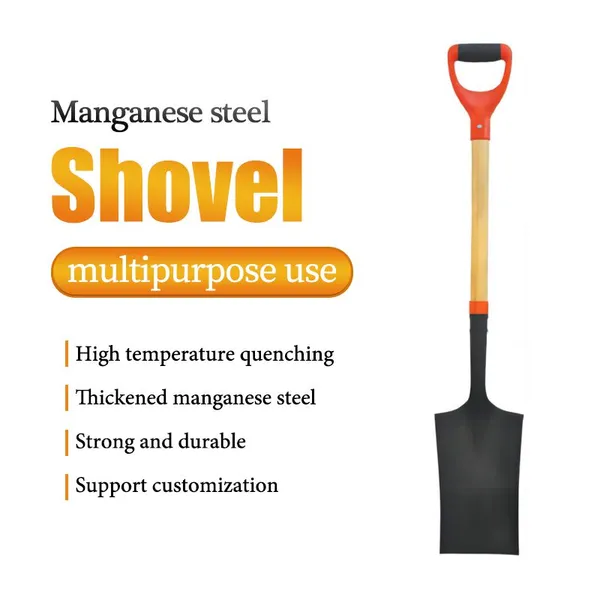
With its flat rectangular blade and straight leading edge, the square shovel excels at scooping and moving loose materials. Key African applications:
● Loading sand, gravel, and aggregate at construction sites
● Moving harvested grain (maize, millet, sorghum) after harvest
● Mixing and transferring cement and mortar in building projects
● Clearing debris in municipal and sanitation work
● Coal and charcoal handling in markets and energy supply
The square shape maximizes material volume per scoop. The flat profile also makes it ideal for scraping and leveling.
4. Pointed Shovel: Designed for Penetration
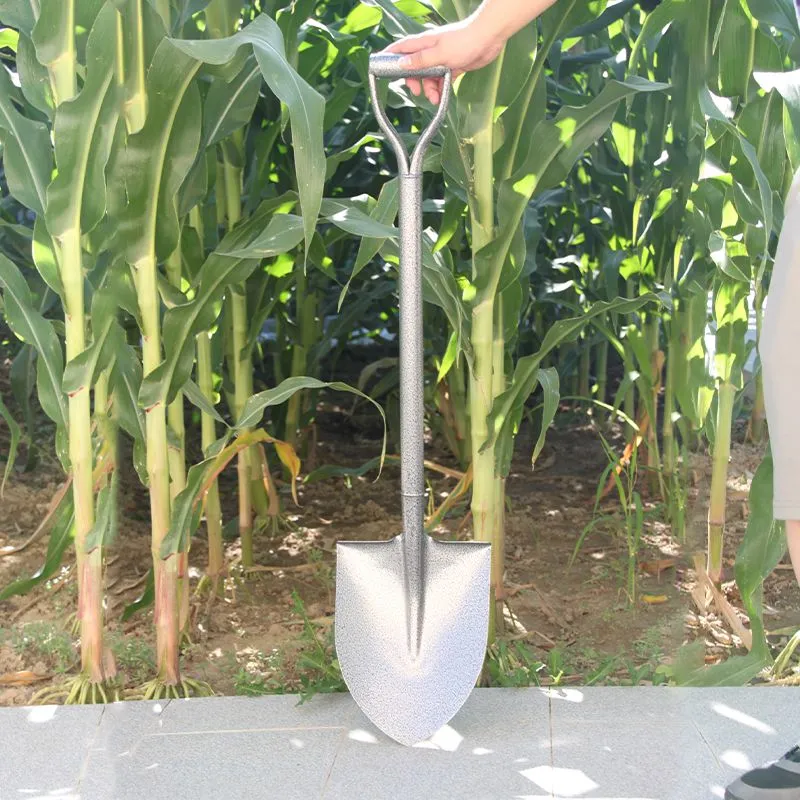
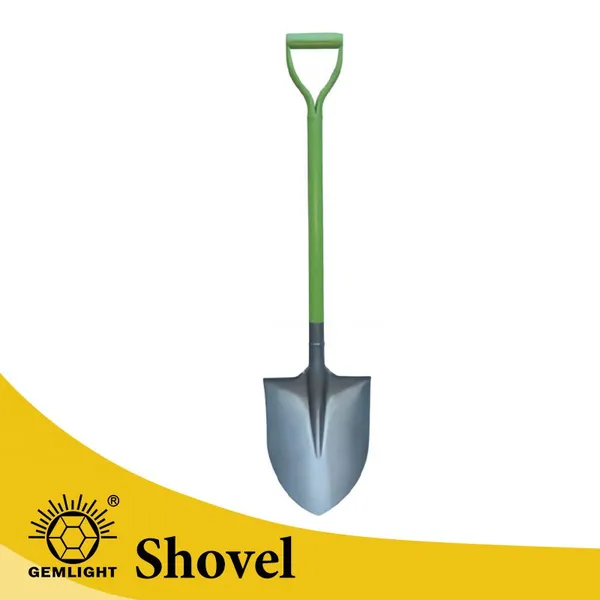
The pointed shovel features a V-shaped blade engineered to cut into hard, compacted ground. African applications include:
● Digging planting holes for tree seedlings, cassava, and yam mounds
● Breaking new ground in land preparation before the rainy season
● Trenching for irrigation channels and drainage systems
● Foundation digging in rural construction
● Excavation in artisanal and small-scale mining
The pointed tip concentrates force into a small area for easy penetration. A raised central ridge adds reinforcement against bending when prying rocks or roots.
5. The All-Metal D-Grip Handle
Both shovel types feature a D-grip handle offering clear advantages for tropical climates:
● Secure grip in wet or sweaty conditions
● One-handed carrying between work areas
● Two-handed power for pushing into tough material
● Easy hanging storage off damp ground
Unlike plastic or wood, the all-metal D-grip withstands prolonged sun exposure and humidity without degrading.
6. Sourcing Checklist for Importers
When evaluating suppliers for the African market, verify:
Manganese Content
1. : 11–14% Mn is the benchmark for work-hardening performance.
Blade Thickness
2. : Minimum 1.5 mm for farming; 2.0 mm+ for construction and mining.
Weld Integrity
3. : Uniform, crack-free blade-to-socket weld with smooth finishing.
Surface Treatment
4. : Powder coating or electrophoretic coating to prevent rust during ocean freight.
Handle Security
5. : D-grip firmly welded with zero wobble.
Packaging
6. : Bundles of 6 or 12 with rust-preventive wrapping, suited to African wholesale.
7. Africa Market Outlook
Africa's shovel demand is sustained by long-term structural trends:
Agriculture
● : Over 60% of Africa's population farms. Government food-security programs sustain steady tool demand.
Infrastructure
● : Major road, housing, and energy projects keep construction demand robust continent-wide.
Urbanization
● : Rapid growth fuels both formal and informal construction, both dependent on hand tools.
Climate Adaptation
● : Shifting rainfall drives demand for water-management tools — trenching, drainage, channeling.
Kenya, Nigeria, Ghana, Tanzania, Ethiopia, Uganda, and Côte d'Ivoire lead as the largest and fastest-growing import markets.
Conclusion
In Africa's fields, construction sites, and mines, a shovel is an everyday essential — not a seasonal purchase. Welded manganese steel shovels, in square and pointed configurations, deliver the durability African buyers demand. For importers, this category combines consistent demand with a clear quality story: manganese steel outperforms, welded construction outlasts, and the right blade for the right job outsells.
Sourcing heavy-duty shovels for Africa? Explore our range of square and pointed welded manganese steel shovels — built to work as hard as your customers do.
Recently Posted
-
Garden Hoes: Types, Materials, and Wholesale Buying Guide
July 24, 2026The garden hoe is one of the oldest and most essential tools in agriculture. From backyard vegetable patches to commercial farms, Read More
 -
Rain Boots for Agriculture, Construction & Industrial Safety
July 17, 2026Rain boots are far more than simple waterproof footwear. In demanding work environments — from muddy farm fields to wet constructi Read More
 -
The Ultimate Garden Tool Set: Why Every Gardener Needs a Complete Stainless Steel Kit
July 13, 2026The Ultimate Garden Tool Set: Why Every Gardener Needs a Complete Stainless Steel KitGardening is more than just a hobby — it is a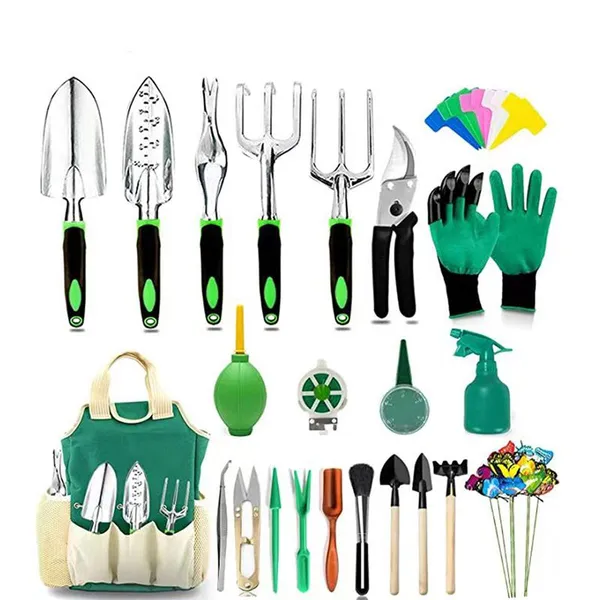 Read More
 -
Meet Gemlight at Big 5 Construct South Africa 2026
June 9, 2026Meet Gemlight at Big 5 Construct South Africa 2026We are pleased to announce that Dingzhou Gemlight Cutting Tools Co., Ltd. will p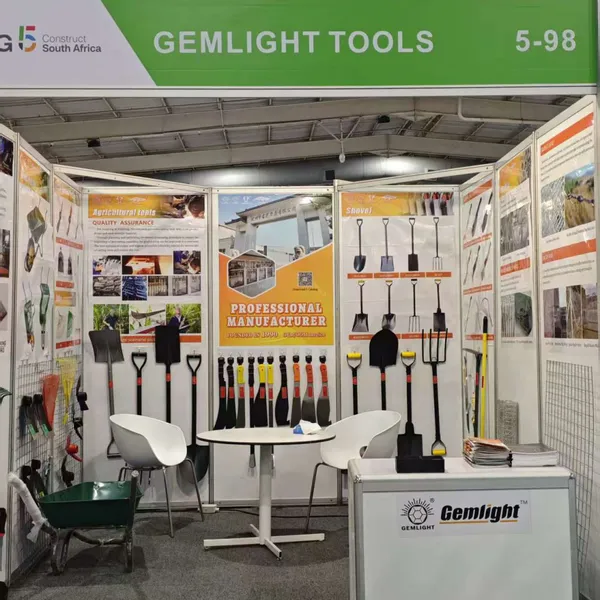 Read More

Contact Us
Recommended Products
-
 Large High Carbon Steel Machete Knife Agricultural Machete for Farming Bush Cutting Garden Tool SupplierNegotiableMOQ: 1200 Pieces
 -
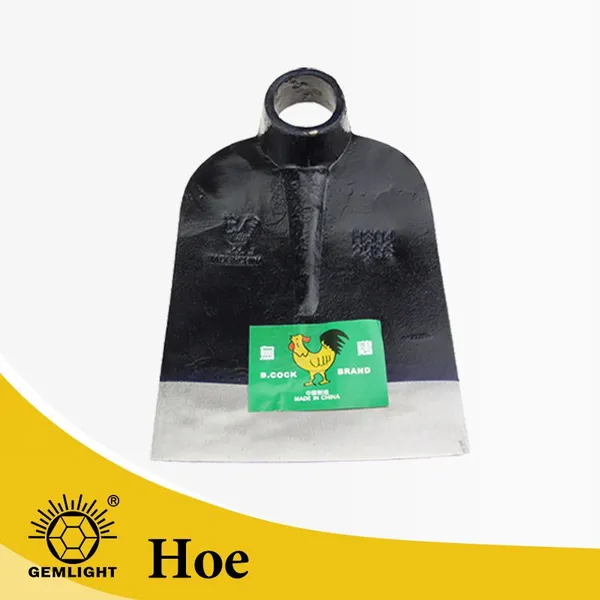
Agricultural Hoe Head Garden Rail Steel Tool for Tough Soil Cheap Price Hand ToolsUS$ 1.07 - 1.27MOQ: 1200 Pieces
-
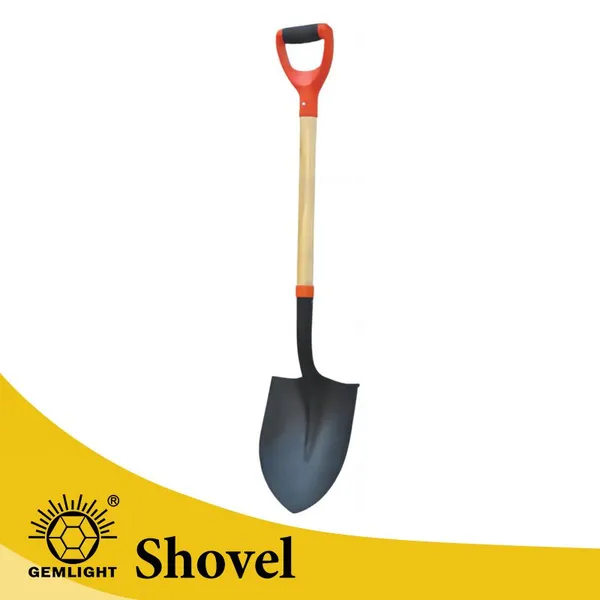
Heavy Duty Manganese Steel Garden Shovel Round Point Digging Shovel With Wooden Handle Farm Tool SupplierUS$ 2.14 - 2.36MOQ: 1200 Pieces
-
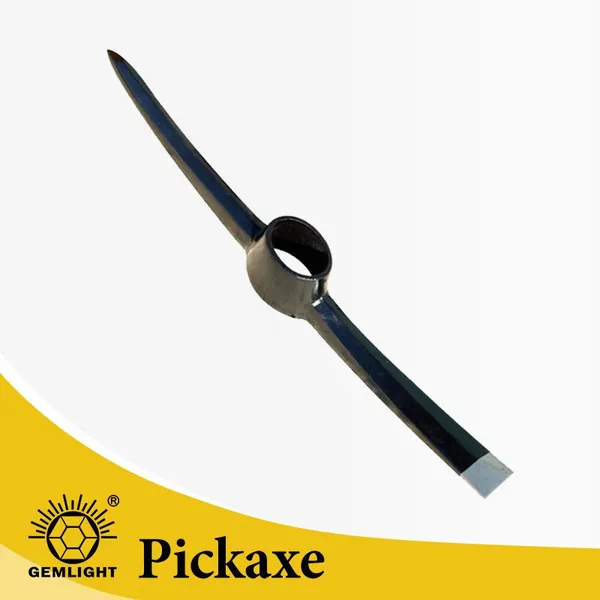
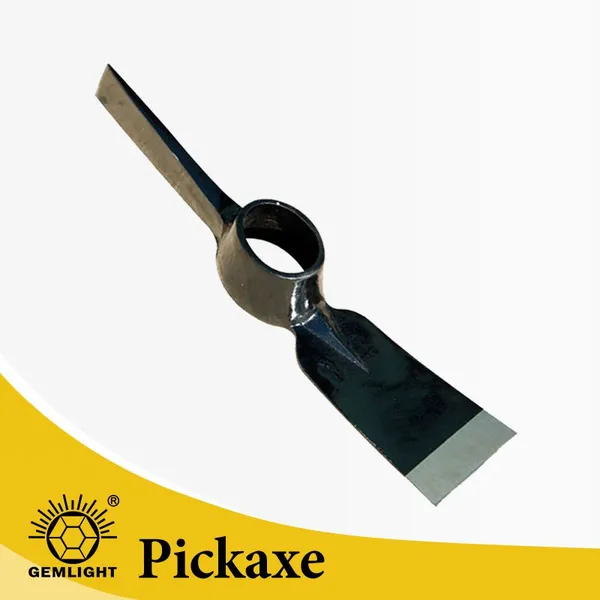
Heavy Duty Rail Steel Cutter Mattock Pickaxe With Wooden Handle for Agriculture Digging and Landscaping ToolUS$ 1.85 - 2.3MOQ: 1200 Pieces
-
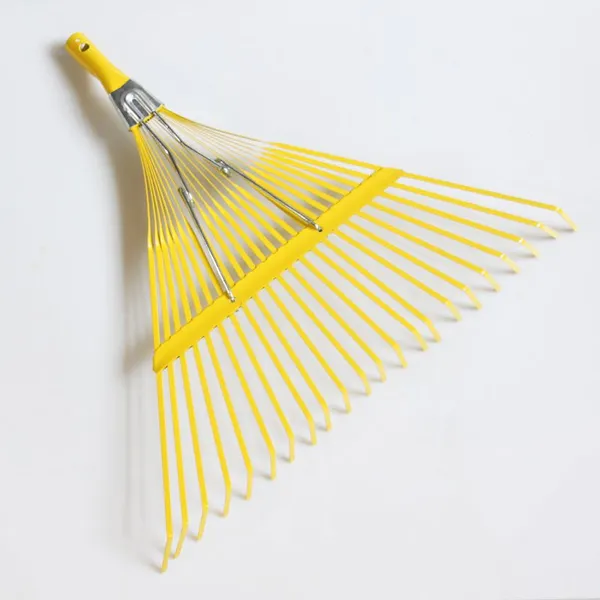
Heavy Duty Garden Rake Lawn Rake Metal Rake 18 Teeth Steel Rake for Leaves Yard Cleaning Farm Garden Agricultural ToolsUS$ 0.88 - 1.35MOQ: 2000 Pieces
-
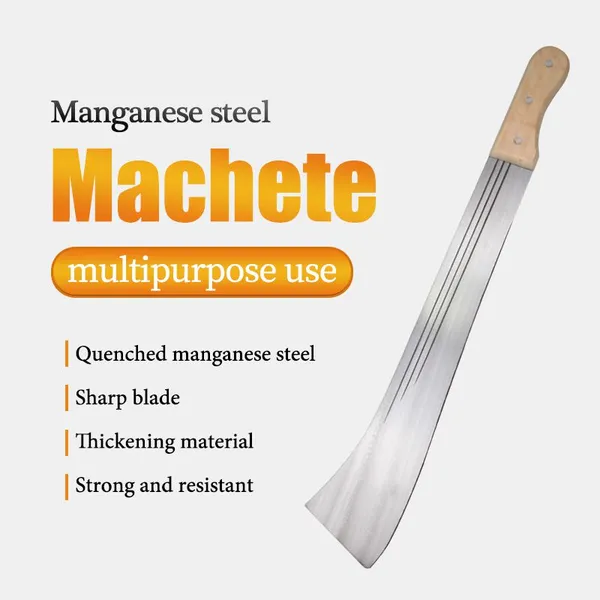
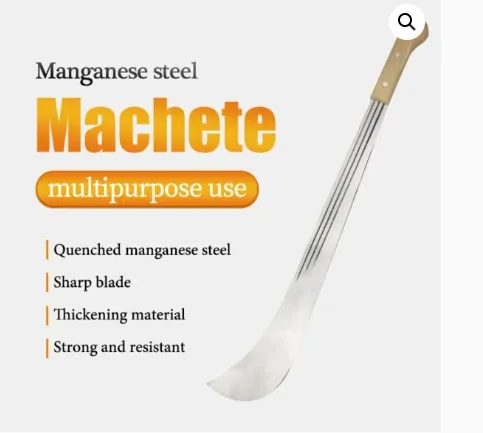
High Manganese Steel Machete, Sharp & Durable Multipurpose Cutting Tool for AgricultureUS$ 1.45MOQ: 1200 Pieces
-
Heavy Duty Rail Steel Mattock Pick Axe With Wooden Handle for Digging Soil Mining and Agricultural Tool SupplierUS$ 1.85 - 2.3MOQ: 1200 Pieces
-
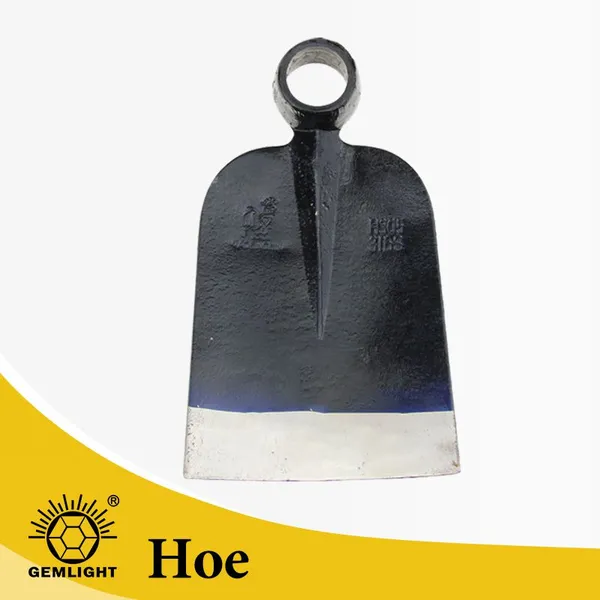
Sturdy Rail Steel Hoe for Weeding, H305 Perfect for Agricultural and Garden TasksUS$ 1.07 - 1.27MOQ: 1200 Pieces
-
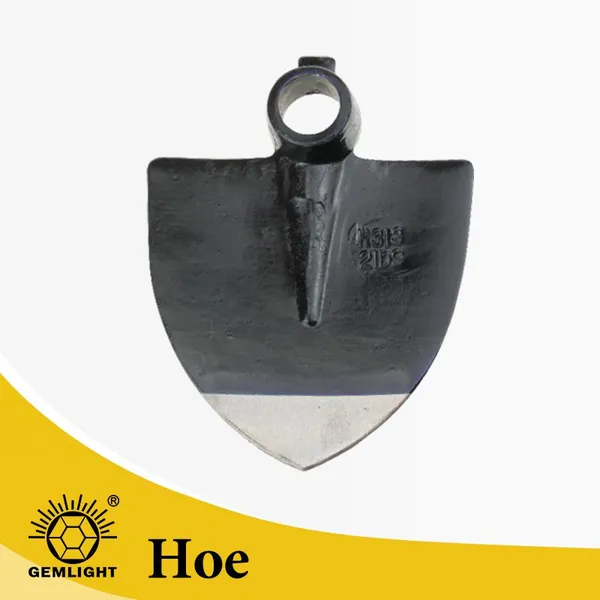
Rail Steel Hoe Tool for Agricultural Use Heavy Duty and EfficientUS$ 1.07 - 1.27MOQ: 1200 Pieces
-
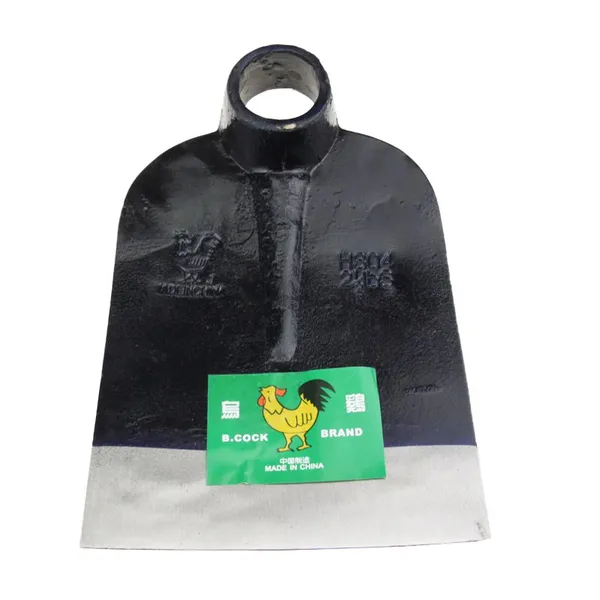
Best Garden Hoe, Rail Steel, H304 for Efficient Weeding and Farming WorkUS$ 1.07 - 1.27MOQ: 1200 Pieces
-
Durable Rail Steel Hoe, Ergonomic Handle, H306 for Efficient Weeding and GardeningUS$ 1.07 - 1.27MOQ: 1200 Pieces
-
Industrial Manganese Steel Flat Shovel Square Shovel for Sand Soil Gravel Moving Construction Tool ManufacturerUS$ 1.76 - 1.92MOQ: 1200 Pieces
-
Professional Manganese Steel Square Point Shovel Garden Digging Shovel for Landscaping and FarmingUS$ 2.14 - 2.36MOQ: 1200 Pieces
-
Manganese Steel Garden Spades and Shovels Long Handle Digging Shovel for Agricultural Landscaping WorkUS$ 2.14 - 2.36MOQ: 1200 Pieces
-
Professional Manganese Steel Round Point Digging Shovel Garden Shovel for Farming Landscaping and Soil WorkUS$ 2.14 - 2.36MOQ: 1200 Pieces
-
Heavy Duty Manganese Steel Round Point Shovel Garden Digging Shovel With Wooden Handle Agricultural Tool ManufacturerUS$ 2.14 - 2.36MOQ: 1200 Pieces
-
Professional Jungle Machete High Carbon Steel Machete Knife With Wooden Handle Bush Cutting Farm ToolNegotiableMOQ: 1200 Pieces
-
Durable Landscape Rake Yard Leveling Rake Lawn Leveling Rake 20 Teeth Steel Rake for Soil Garden Farm Agricultural ToolsUS$ 0.88 - 1.35MOQ: 2000 Pieces
-
Industrial Rail Steel Pick Mattock Heavy Duty Pickaxe Tool for Mining Digging Farming Tool ManufacturerUS$ 1.85 - 2.3MOQ: 1200 Pieces
-
Rake For Leaves Leaf Rake Garden Rake Durable Plastic Wide Head Lightweight Yard Lawn Leaf Cleaning Tool OEM Wholesale SupplyUS$ 0.68 - 1.16MOQ: 2000 Pieces