
 Business License

Pry Bar vs Crowbar vs Wrecking Bar: What Buyers Actually Need to Know
Pry Bar vs Crowbar vs Wrecking Bar: What Buyers Actually Need to Know
A practical guide written from the buyer's point of view — what to look for, how to choose, and what to ask your supplier before you order.
1. The Scene Every Importer Knows
A container arrives at the warehouse. Inside are 200 wooden crates, every lid nailed shut with 8 to 12 fasteners each. The crew needs two things done at once: break the lids open without splitting the wood, and pull the nails without bending them back into the next board.
This is the exact moment a good wrecking bar earns its keep — and it is also the moment most buyers realize that "crowbar," "pry bar," and "wrecking bar" are not quite the same thing, even though they are often used as if they were.
If you are a hardware wholesaler, an importer, or an e-commerce seller planning to add hand tools to your catalog, this article answers the questions your own customers will ask you. Read it once and you will know what to stock, what to say, and what to specify on your purchase order.
2. First, a Quick Vocabulary Lesson (Your Customers Will Ask)
The names overlap in everyday speech, but they point to different tool families:
Crowbar — the long, heavy bar with a curved, forked end and a flattened end. Built for heavy prying, demolition, and serious leverage. The classic "railway" bar shape.
Wrecking bar — essentially a crowbar family member designed for demolition and pulling apart nailed assemblies. Often lighter and more manageable than a full-size railroad crowbar.
Pry bar — the broadest term. It covers anything you use to wedge, lift, and separate materials.
nail puller — the function, not the tool. A claw or notched end designed to grip nail heads and pull fasteners out cleanly.
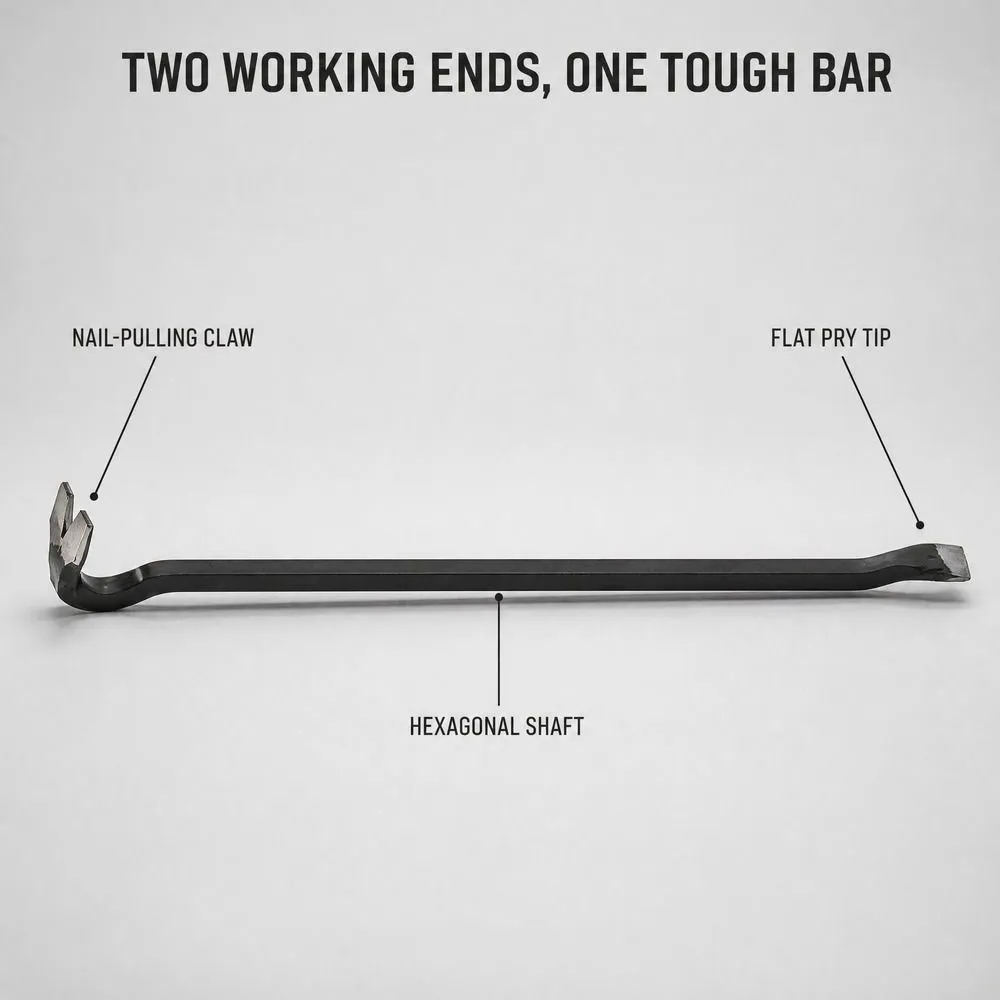
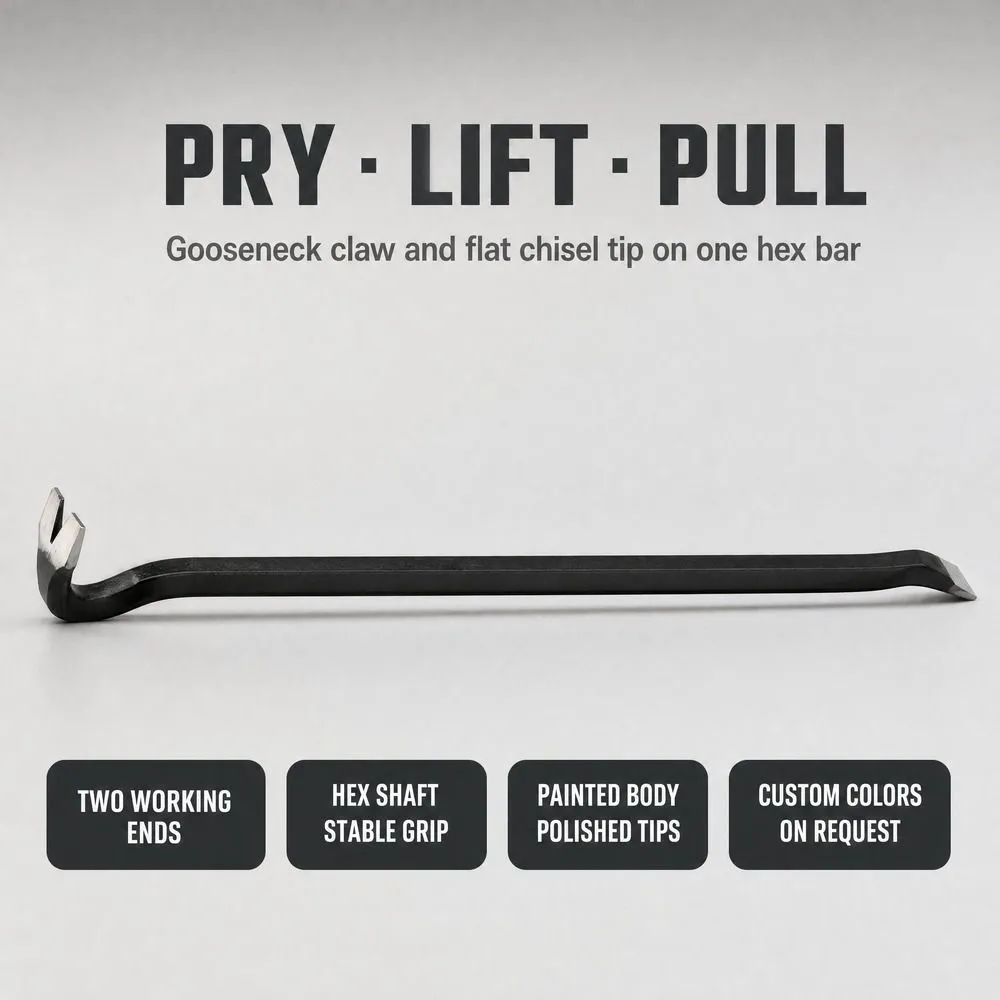
A two-end bar that combines a V-notched curved claw on one end and a flat chisel tip on the other belongs to the wrecking-bar family: it does the two jobs a packing dock or a renovation crew needs most — opening nailed crates and stripping nails — without carrying two separate tools.
What buyers should remember: when customers search "crowbar for opening wooden crates," they are really describing a wrecking bar with a chisel end. Stocking the right name in the right title matters for search, and it matters for the customer's expectations when the tool arrives.
3. Why Two Ends Beat One: The Anatomy of a Useful Bar
A well-designed wrecking bar is not just a bent piece of steel. The parts that matter are the parts your customers will touch first:
The claw end (nail puller side). Look for a curved hook with a V-shaped notch cut into it. The notch seats under the head of a nail or staple. With a rolling motion of the wrist, the claw grips and lifts the fastener straight out — with less damage to the wood than a hammer claw, which tends to dig sideways into the surface.
The chisel tip (prying side). The opposite end tapers into a thin, flat, ground edge. This is the end that wedges into the narrow seam between a crate lid and its side wall. Once seated, the bar levers the lid open in controlled steps instead of smashing the boards apart.
The shaft. A hexagonal (six-sided) shaft is a meaningful detail, not decoration. The hex profile adds torsional stiffness when you twist the bar under load, and — a detail your warehouse customers will appreciate — it stops the bar from rolling away when it is laid down on a flat surface. Round bars roll off the workbench; hex bars stay put.
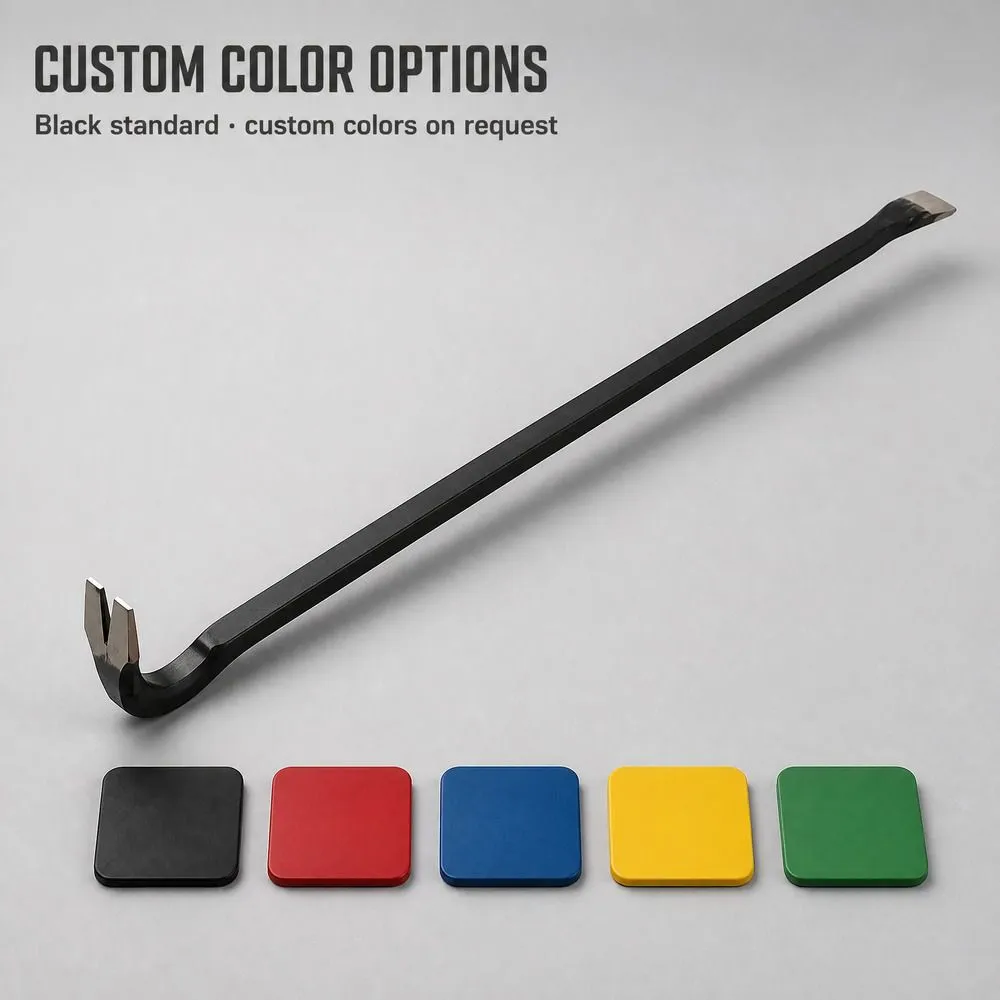
The finish. A matte black coating cuts glare under bright site lighting, and the bare silver ground ends make both working areas instantly identifiable. Small touches, but they affect how the tool feels in daily use on a dock or a scaffold.
4. What Your Customers Actually Do With It
When you sell to different buyer groups, the same bar sells for different reasons:
Warehouse and logistics teams receive nailed wooden crates and boxes every week. Their question is speed: pop the lid, pull the nails, keep the boards reusable.
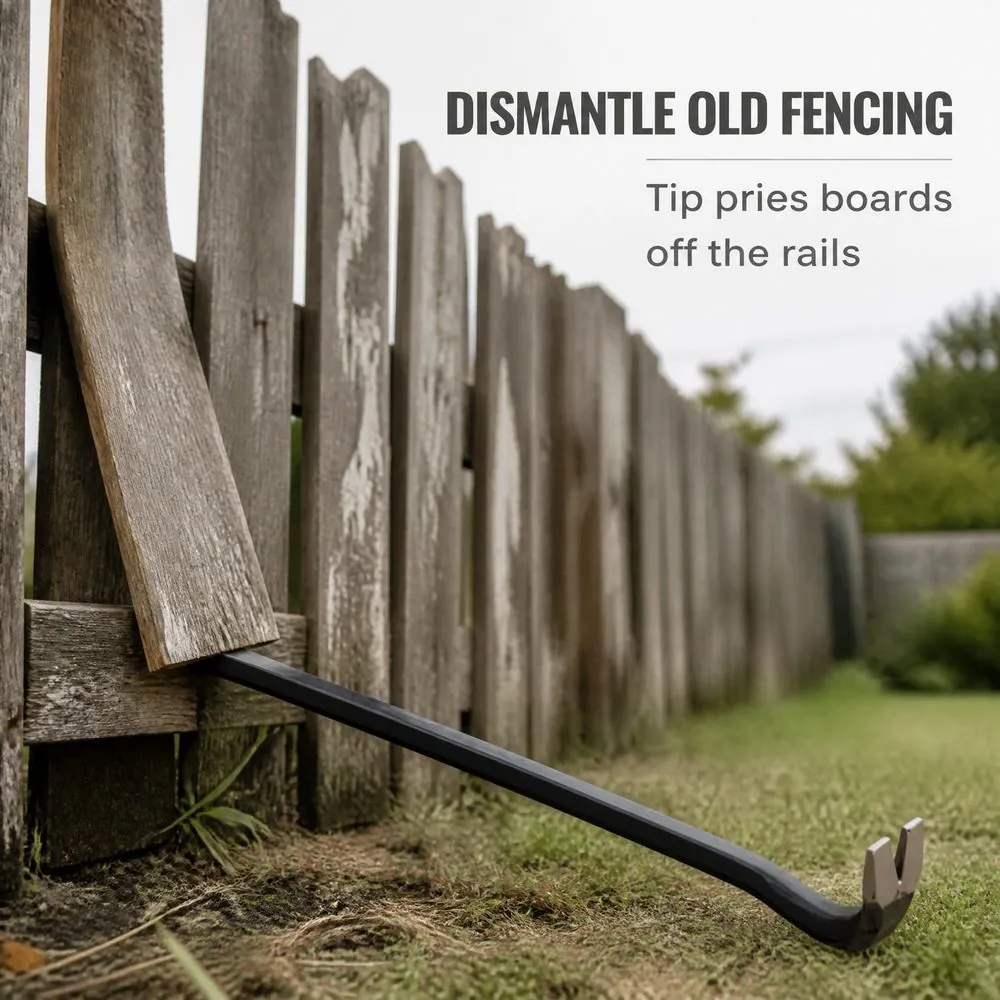
Construction crews and renovators strip wooden frames, pull formwork nails, lift boards, and handle light demolition. Their question is durability under repeated heavy use.
DIY and household buyers open stuck storage crates, lift nailed furniture panels during a move, and pry open paint-sealed windows. Their question is simple: does it work without wrecking the thing I am working on?
Distributors and e-commerce sellers care less about any single job and more about one question: does this one SKU cover enough of my customers' needs? A two-end design means one stock-keeping unit instead of two.
That last point is the strongest selling argument for a wholesale buyer: one item in the catalog, two jobs covered, fewer slow-moving SKUs on the shelf.
5. Choosing the Right Bar: A Simple Decision Framework
When your customers ask "which one should I buy," walk them through three questions:
How much force do I need? Longer bars give more leverage but weigh more and are harder to carry. Shorter bars are more portable and easier to control in tight spaces. Match the length to the heaviest job the buyer does most often.
What will I pry most? If the main job is opening nailed crates and boxes, the chisel end is the workhorse and the claw is the helper. If the main job is demolition and stripping, buy a heavier model with more steel behind the claw.
Who is using it? A professional crew that uses the bar daily will wear it differently than a household user who reaches for it twice a year. Know the end user before you set your order mix.
There is no single "best" size for everyone — and any supplier who tells you otherwise is simplifying too much. A good range covers a short, portable model and a longer, high-leverage model.
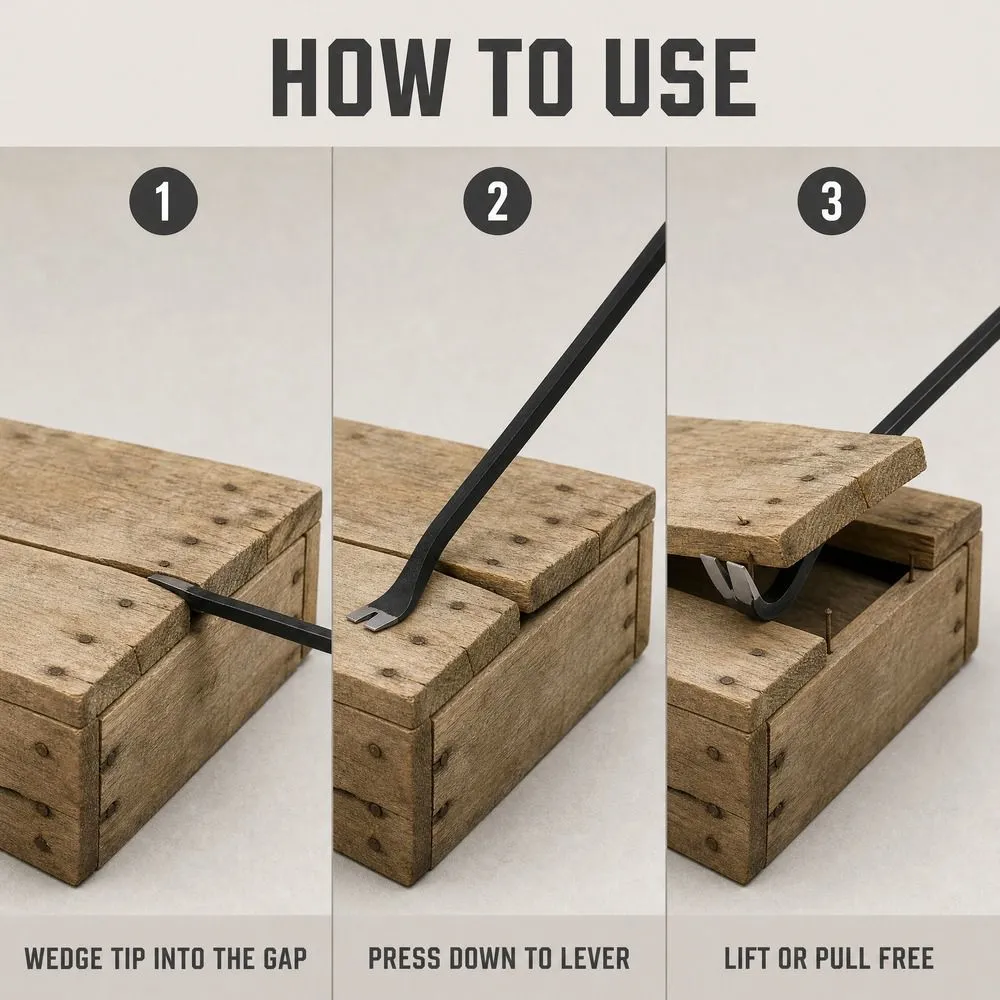
6. Three Safety Habits Worth Teaching Your Customers
Tools this simple still deserve respect. Include these points in your own product pages or after-sales tips — it builds trust and prevents returns:
Never use the bar as a hammer. The ground chisel tip is designed to wedge and pry, not to be struck repeatedly by another hammer. Use a striking tool rated for that purpose, or damage the edge.
Keep the striking hand clear. When a lid finally pops, the bar moves fast. Pull toward the work, not toward your body or your other hand.
Inspect the working ends. A rolled-over edge or a bent tip makes the tool dangerous and ineffective. A quick visual check before heavy use takes five seconds.
Safety guidance is also a differentiator: buyers remember the supplier who explains how to use the tool correctly, not just the one who ships it.
7. What to Put on Your Purchase Order
This is the section your procurement team will actually thank you for. When you order wrecking bars in bulk, these are the points to confirm with the supplier in writing:
| Specification | Why it matters |
| Overall length | Determines leverage and portability. Confirm the exact figure in mm or inches per model. |
| Shaft diameter / thickness | Drives strength and weight. Two bars of the same length can feel completely different. |
| Steel grade and hardening | Ask what steel is used and whether the working ends are hardened. Ask for the material spec on the confirmed model. |
| Net weight per piece | Affects freight cost and the customer's feel of the tool. |
| Surface finish | Matte black, plain steel, or other coating — each behaves differently in humid environments. |
| Packing method | Loose, poly-bagged, boxed, with or without logo — confirm what protects the finish in transit and what your retail customers expect on arrival. |
| OEM options | Size, finish, marking, and custom packing are commonly available — but only if you ask before production, not after. |
A reliable supplier will confirm these details on the model you choose rather than leaving them vague. If a spec is not confirmed, it is not a spec — it is a guess, and guesses become return requests later.
8. Questions Your Customers Will Ask (and Short Answers)
Q: Can one bar really replace both a nail puller and a pry tool? A: For crate opening, light demolition, and general prying, yes. The claw handles fasteners; the chisel end handles seams and lids. Only heavy dedicated demolition needs a bigger, specialized bar.
Q: Why does my bar keep rolling off the table? A: You bought a round-shaft bar. Hexagonal shafts are designed to stay put on flat surfaces.
Q: Will the coating wear off immediately? A: Coating wears fastest where the tool works hardest — at the ends, which is why many bars ship with bare ground working ends. This is normal design, not a defect.
Q: What size should I stock first? A: Start with a mid-range all-rounder for crate and box opening, then add a longer heavy-duty model. Watch which one reorders faster and adjust your mix.
9. A Final Word for Buyers
The market is full of bars that look similar in a product photo and behave very differently in a hand. The differences are in the details: the notch geometry of the claw, the grind of the chisel edge, the profile of the shaft, and the honesty of the specification sheet.
When you evaluate a supplier, ask for the specification on the actual model, order a sample, and test it on the job your customers do every day. A tool that opens 200 crate lids cleanly is worth more than one that opens the first ten and struggles with the rest.
If you are evaluating wrecking bars, pry bars, or crowbars for your catalog, contact our sales team with your target quantity and destination port — we will confirm the specification and send you a direct quotation.
Recently Posted
-
Curved Sickle Blades for Importers: A Low-Risk, High-Turnover Line That Sells in Every Season
August 28, 2026Curved Brush Sickle Blades with Pre-Drilled Tangs: The All-Round Cutting ToolFrom grass and weeds to harvest and brush — why a fan Read More
 -
Carbon Steel Sickles from China: The Complete Guide for Farm Tool Distributors
August 14, 2026How to Import Carbon Steel Sickles from China: The Complete Guide for Farm Tool DistributorsA practical step-by-step guide for dis Read More
 -
Heat-Treated Carbon Steel Blades Sickle — Africa's Hottest Farm Tool
August 12, 2026Carbon Steel Sickles: The Complete B2B Buying Guide for Harvest & Farm WorkWhy the world's oldest harvesting tool is still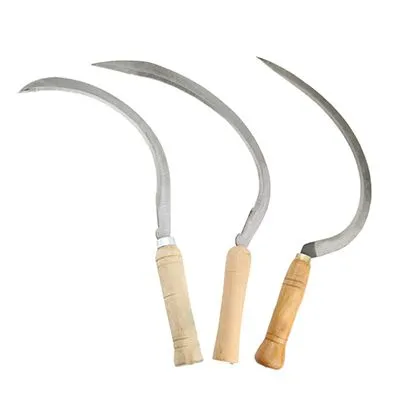 Read More
 -
Welded Manganese Steel Shovels Africa's Go-To Tool for Farming and Construction
July 30, 2026Welded Manganese Steel Shovels: Africa's Go-To Tool for Farming and ConstructionAcross Africa, the shovel is a daily workhorse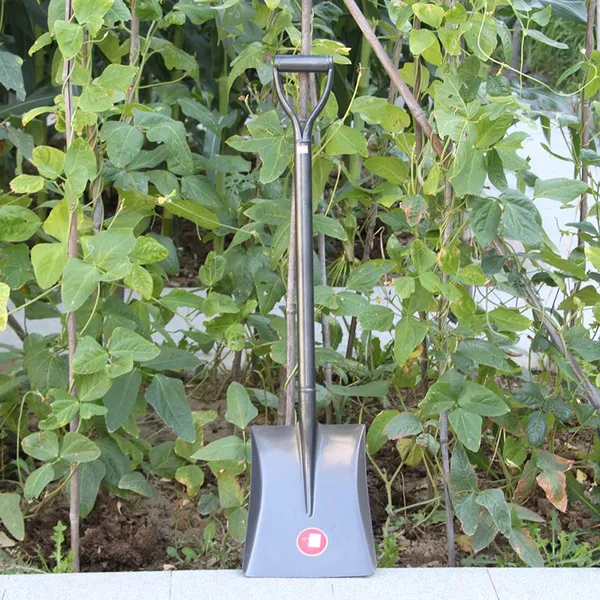 Read More

Contact Us
Recommended Products
-
 Heavy Duty Cane Knife Machete for Wholesale Buyers Factory Direct Export for Rural Agricultural Projects Durable Hand ToolNegotiableMOQ: 1200 Pieces
 -
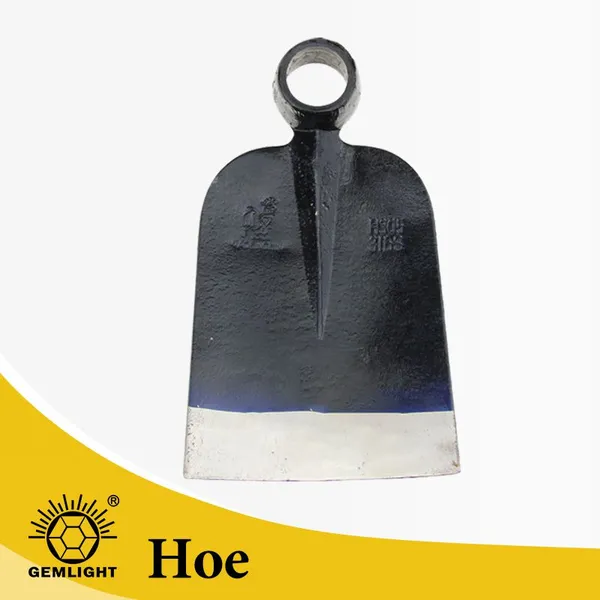
Agricultural Hoe Head Garden Rail Steel Tool for Tough Soil Cheap Price Hand ToolsUS$ 1.07 - 1.27MOQ: 1200 Pieces
-
Sturdy Rail Steel Hoe for Weeding, H305 Perfect for Agricultural and Garden TasksUS$ 1.07 - 1.27MOQ: 1200 Pieces
-
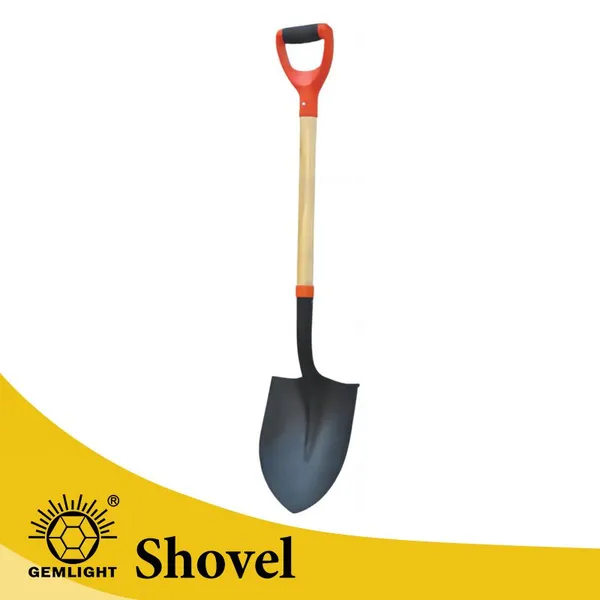
Heavy Duty Manganese Steel Garden Shovel Round Point Digging Shovel With Wooden Handle Farm Tool SupplierUS$ 2.14 - 2.36MOQ: 1200 Pieces
-
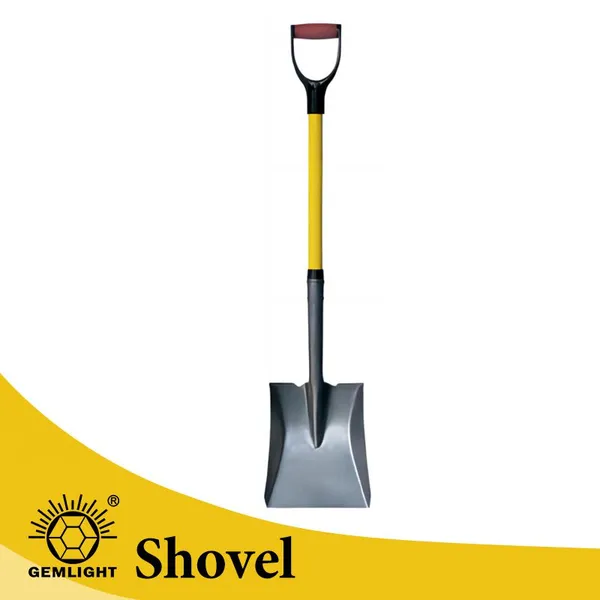
Big Shovel Wide Shovel Mud Shovel Heavy Duty Steel Blade for Farm Drainage Soil Moving Cleaning and Landscaping UseUS$ 2.14 - 2.36MOQ: 1200 Pieces
-
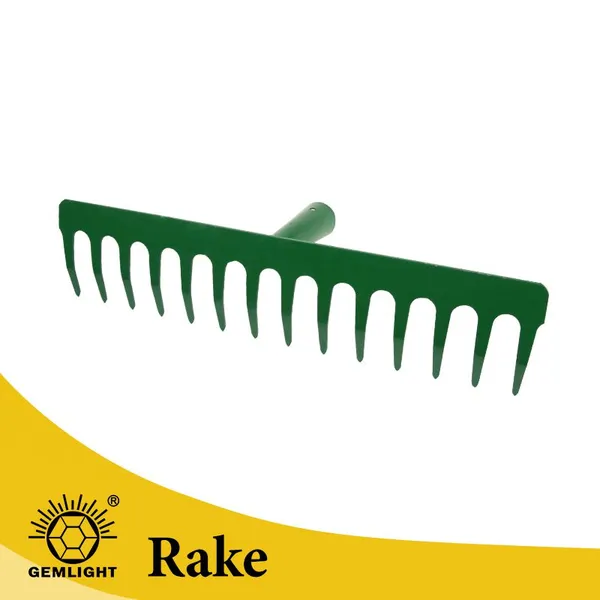
Strong Teeth Soil Rake for Farm Tool Suppliers Private Label Export for Farm Maintenance African Distribution Factory Bulk OrderUS$ 0.88 - 1.35MOQ: 2000 Pieces
-
Manual Cane Knife Machete for Wholesale Buyers Factory Direct Export for Rural Agricultural Projects Durable Hand ToolNegotiableMOQ: 1200 Pieces
-
Large High Carbon Steel Machete Knife Agricultural Machete for Farming Bush Cutting Garden Tool SupplierNegotiableMOQ: 1200 Pieces
-
Wholesale Heavy Duty Pick Mattock for Mining Road Work and Farm Digging for Wholesale Tool Dealers With Bulk Order ServiceUS$ 1.85 - 2.3MOQ: 1200 Pieces
-
Carbon Steel Manual Pickaxe for Hard Soil Breaking and Trenching for African Importers With OEM Bulk Order Support Agricultural ToolUS$ 1.85 - 2.3MOQ: 1200 Pieces
-
OEM Farm Sickle With Sharp Blade for African Importers OEM Bulk Order Support for Harvesting and Smallholder Farming for Wholesale BUS$ 0.28 - 0.33MOQ: 3000 Pieces
-
Heavy Duty Manganese Steel Round Point Shovel Garden Digging Shovel With Wooden Handle Agricultural Tool ManufacturerUS$ 2.14 - 2.36MOQ: 1200 Pieces
-
Farm Shovel Factory Supply for Regional Import Distributors Bulk Wholesale Supply for Garden Work and Trenching for Agricultural DealersUS$ 2.14 - 2.36MOQ: 1200 Pieces
-
Heavy Duty Garden Rake for African Importers OEM Factory Supply for Agricultural Use African Market Factory Bulk OrderUS$ 0.88 - 1.35MOQ: 2000 Pieces
-
Agricultural Soil Rake for Agricultural Dealers Export Supply for Garden Cleaning African Dealer Channels Factory Bulk OrderUS$ 0.88 - 1.35MOQ: 2000 Pieces
-
Manual Farm Machete for African Importers OEM Factory Supply for Farming and Land Clearing Durable Hand ToolNegotiableMOQ: 1200 Pieces
-
Large Heavy Duty Carbon Steel Garden Landscaping Digging HoeUS$ 1.07 - 1.27MOQ: 1200 Pieces
-
Heavy Duty Rail Steel Mattock Pick Axe With Wooden Handle for Digging Soil Mining and Agricultural Tool SupplierUS$ 1.85 - 2.3MOQ: 1200 Pieces
-
Forged Farm Sickle With Sharp Blade for African Importers OEM Bulk Order Support for Harvesting and Smallholder Farming for WholesalUS$ 0.28 - 0.33MOQ: 3000 Pieces
-
Strong Carbon Steel Farming Sickle for Uganda Tanzania Zambia Agricultural Tool DistributorsUS$ 0.34 - 0.47MOQ: 3000 Pieces