
 Business License

Curved Sickle Blades for Importers: A Low-Risk, High-Turnover Line That Sells in Every Season
Curved Brush Sickle Blades with Pre-Drilled Tangs: The All-Round Cutting Tool
From grass and weeds to harvest and brush — why a fan-shaped sickle blade with an easy-mount tang is the most versatile hand tool in the field, and what importers should check before ordering.
1. The Tool That Never Left the Field
Across Africa, Southeast Asia, and Latin America, a curved, fan-shaped sickle blade is still the everyday tool for cutting grass, weeds, and brush. Millions of smallholders and construction crews rely on it for the jobs machines cannot reach — fence lines, ditches, tight corners. That year-round demand makes it one of the most dependable SKUs in the farm tools category.
2. Why the Fan Shape Wins
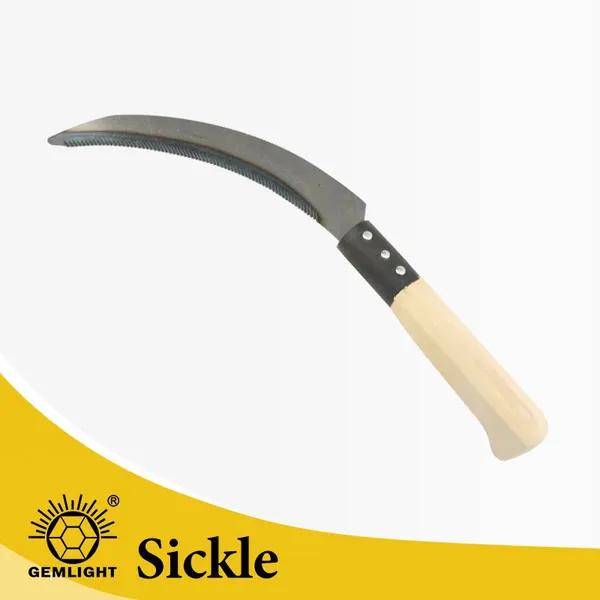
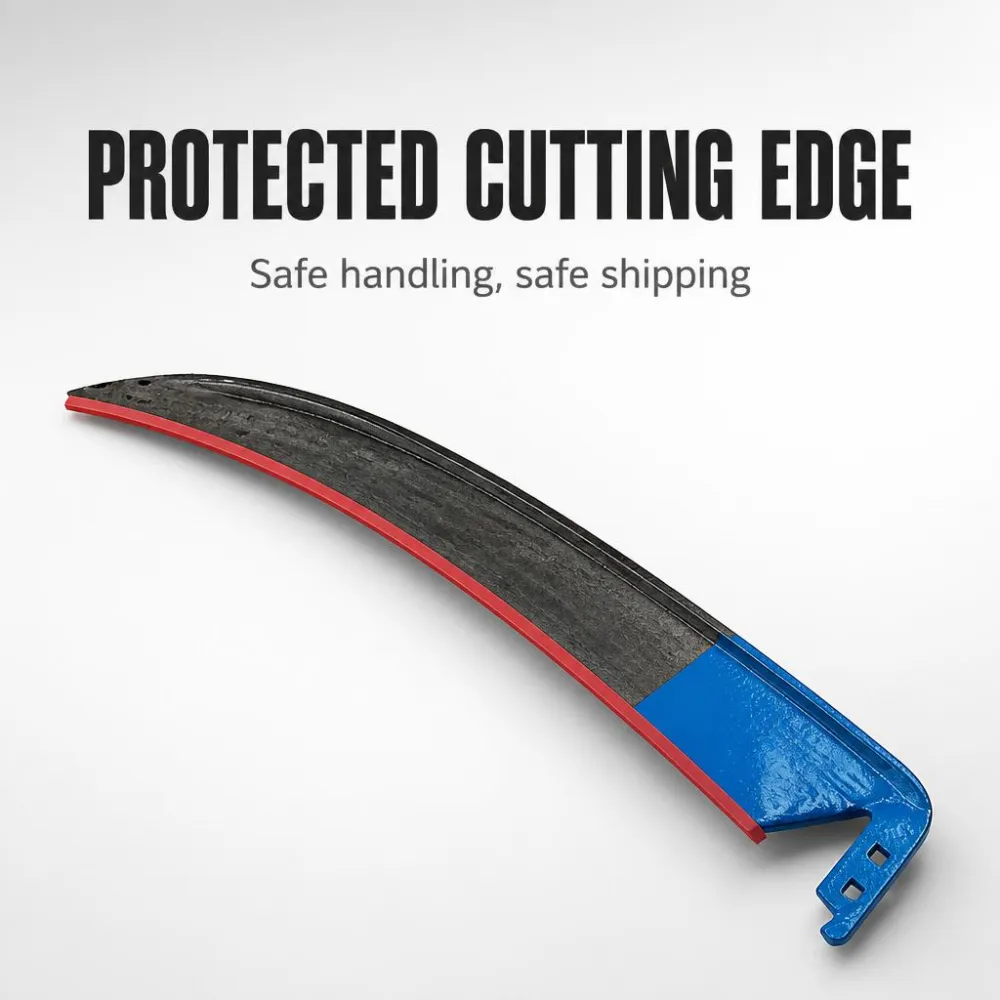
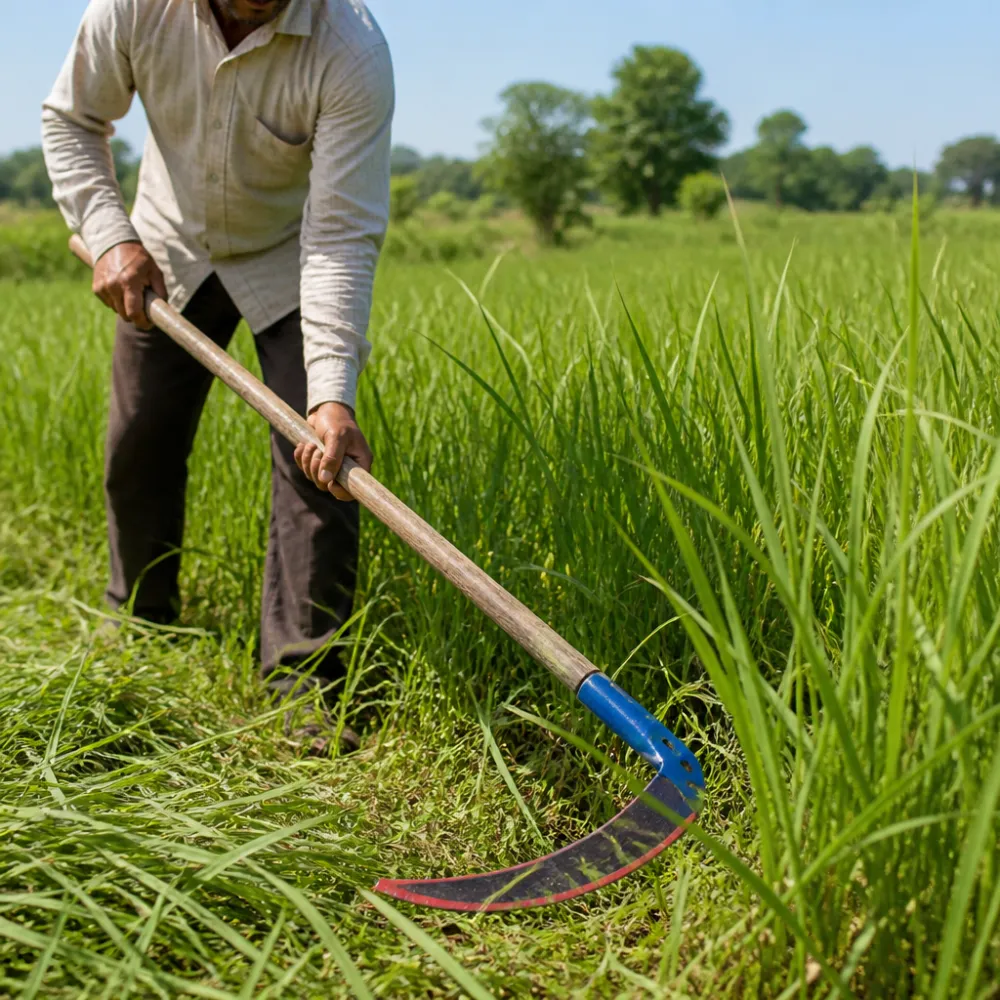
The wide crescent face is geometry, not decoration. It concentrates the swing's force at the cutting edge while staying light in the hand, so each stroke covers more ground with less effort. The inward curve acts like a hook, catching stems as they are sliced — cleaner cuts on dense growth than any straight knife. Fast on open grass, precise in tight spots, tough on brush.
3. Steel, Heat Treatment, and the Red Edge Coating
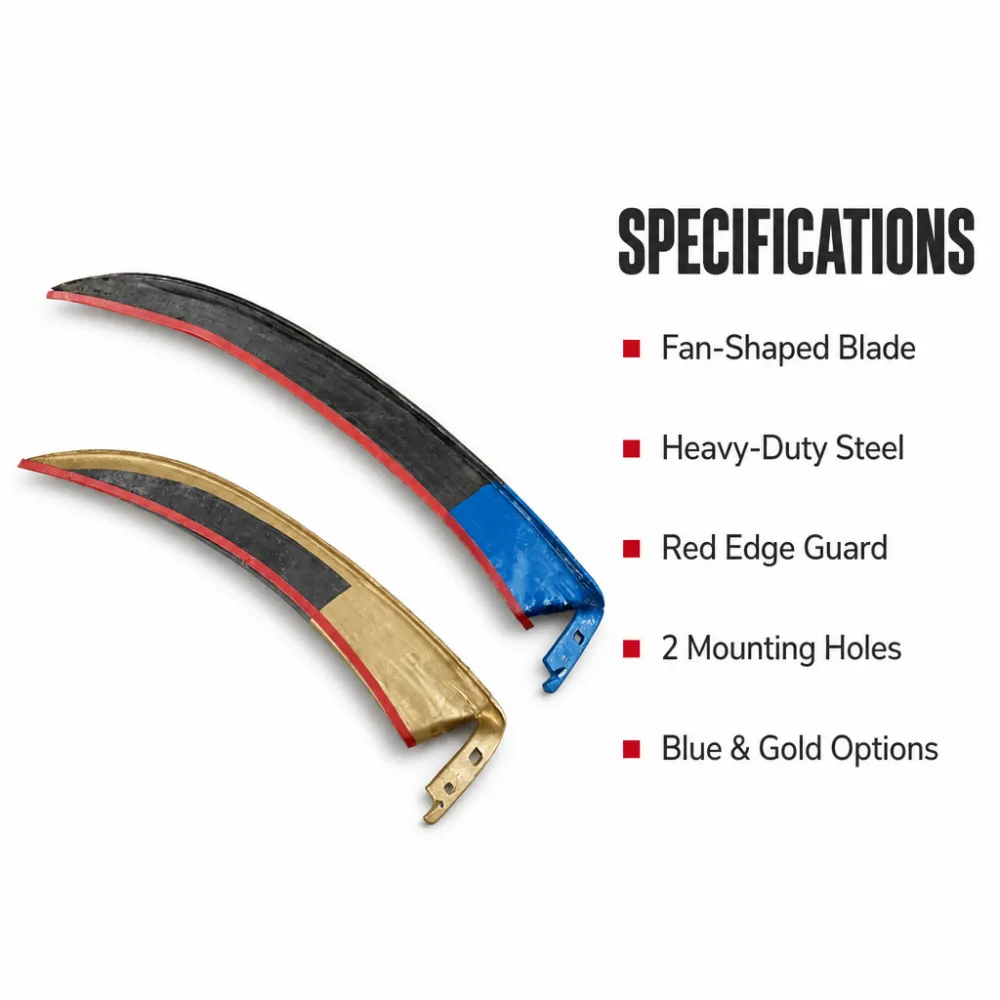
Quality starts with carbon steel at the right thickness — typically 1.5 mm to 2.5 mm. The visible difference between a cheap blade and a good one is the finish. A genuine heat-treated blade shows a dark grey or black oxide body from quenching and tempering; that is not paint but the signature of a hardened, springy steel that keeps its edge through a full season and re-sharpens easily. On export models, the cutting edge also carries a thin red protective coating along the inner curve, shielding it from rust and chipping during shipping and wearing off naturally with use.
4. The Easy-Mount Tang: Seconds, Not Rivets
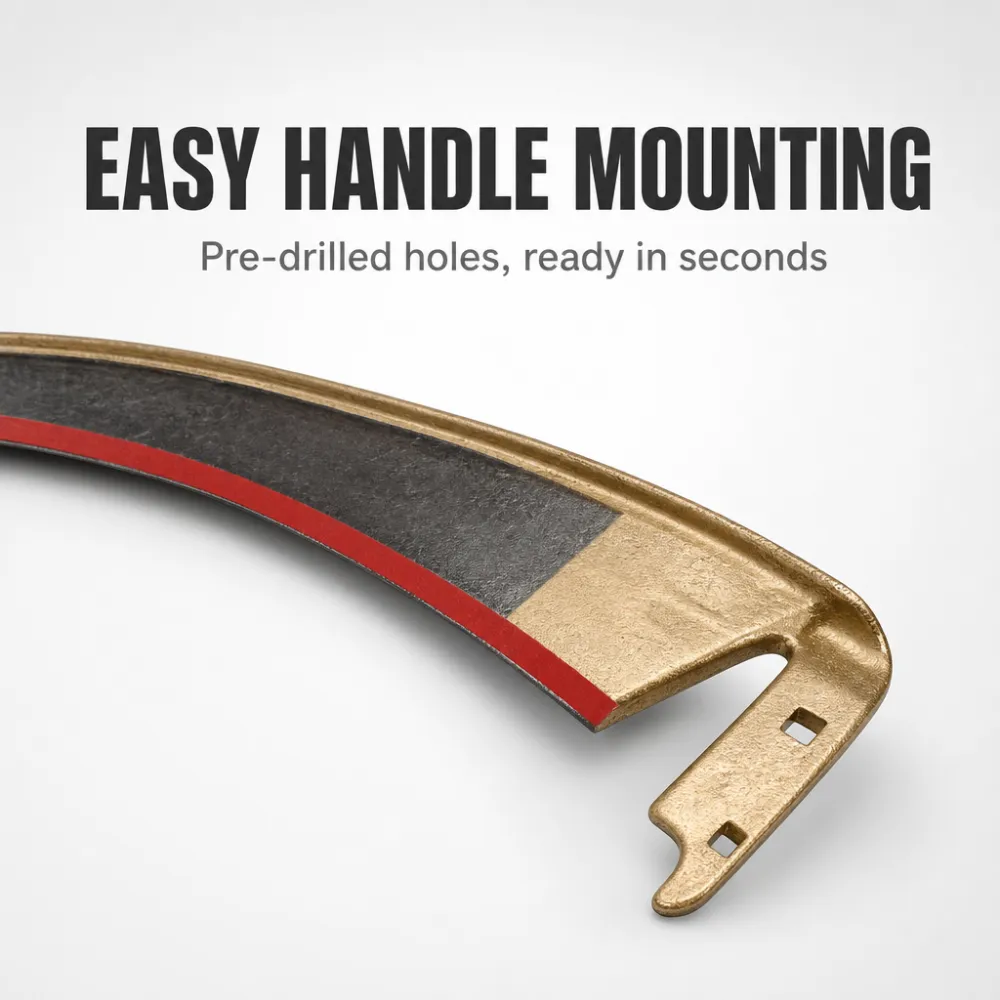
The feature that separates a modern export sickle from a traditional one is the pre-drilled tang. Instead of a permanently riveted handle, the blade ends in a solid metal tang — gold/brass-toned or blue — with square holes ready to bolt onto any standard handle. Mounting takes seconds: slide the handle in, seat the tang, tighten the bolt. A broken handle no longer means replacing the whole tool — swap in a spare and keep working. Blades and handles also ship separately, saving freight space and letting importers stock one handle line for a whole family of blades.
5. One Blade, Four Jobs
The "all-round farm tool" claim is no exaggeration: grass — clean strokes around homes and compounds; weeds — slicing at ground level in gardens and along irrigation channels before they seed; harvest — cutting rice, millet, sorghum, and fodder where machines cannot go; brush — clearing small branches and overgrown fence lines. Because the same blade serves farm work in the wet season and clearing work in the dry season, demand never goes seasonal — and distributors stocking blade-only lines report steadier reorders.
6. Sizing the Blade to the Market
The right size follows the job. Compact blades (8–10 inches) suit grass trimming and light weed control — popular for home-garden retail. Mid-range blades (12–14 inches) are the workhorses for rice, millet, and fodder cutting. Heavy blades (16 inches and up, 2.0–2.5 mm steel) are built for brush and scrub, favored by construction crews. Match thickness to the main job: thinner steel (1.5 mm) for grass-dominant regions, heavier where dry brush dominates. Always ask for thickness in writing — two "12-inch sickles" can be very different tools.
7. Where the Demand Is Growing
The clearest growth signal is Africa — Kenya, Nigeria, Tanzania, Ethiopia — where smallholder programs, road maintenance, and infrastructure construction keep hand tools in steady demand; buyers there prioritize edge durability, easy handle replacement, and price per piece. Southeast Asia remains a strong volume market for grass and paddy cutting, favoring mid-size blades and bright packaging. Latin America mixes farm use with ranch fencing and pasture maintenance, where the heavy brush blade sells well. The Middle East favors compact, economical blades for municipal landscaping.
8. The Importer's Five-Point Inspection Checklist
Before committing to a container, run this check on any sample batch:
Edge test — slices cleanly along the full curve; the red coating is intact.
Hardness and flex — a treated blade springs back from bending without warp.
Tang quality — pre-drilled holes align with standard bolts; no wobble or cracking.
Weight and thickness — spot-check against specs; a lighter blade means downgraded steel.
Packaging — carton count and branding match the PO, edges protected.
9. Packaging and Sourcing Direct
A sharp edge is a liability in transit, so packaging is part of the product: button packaging (film-wrapped with hang tag), paper-card packaging for shelf display, or kraft wrapping for budget lines, in cartons of 60, 120, or 240 pieces. Sourcing matters too: a direct factory partnership — controlling pressing, grinding, heat treatment, coating, tang punching, and packing — means consistent quality, honest lead times, and pricing that leaves room for your margin.
The takeaway: a curved brush sickle blade with a pre-drilled tang is a low-risk, high-turnover product with deep demand across every major farming region — one tool that cuts grass, weeds, harvest, and brush, ships cheaply, and never goes out of season. Source from a manufacturer who treats steel thickness, heat treatment, and tang quality as non-negotiables, and your customers will reorder every season.
Recently Posted
-
Carbon Steel Sickles from China: The Complete Guide for Farm Tool Distributors
August 14, 2026How to Import Carbon Steel Sickles from China: The Complete Guide for Farm Tool DistributorsA practical step-by-step guide for dis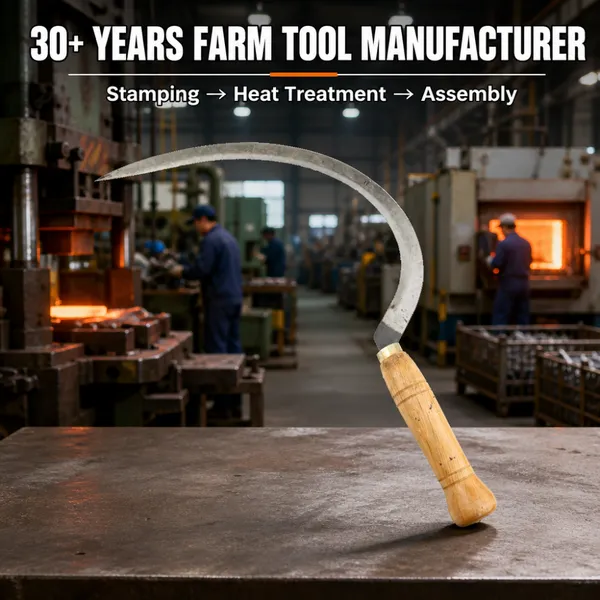 Read More
 -
Heat-Treated Carbon Steel Blades Sickle — Africa's Hottest Farm Tool
August 12, 2026Carbon Steel Sickles: The Complete B2B Buying Guide for Harvest & Farm WorkWhy the world's oldest harvesting tool is still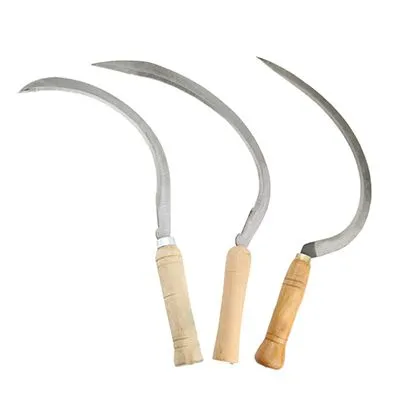 Read More
 -
Welded Manganese Steel Shovels Africa's Go-To Tool for Farming and Construction
July 30, 2026Welded Manganese Steel Shovels: Africa's Go-To Tool for Farming and ConstructionAcross Africa, the shovel is a daily workhorse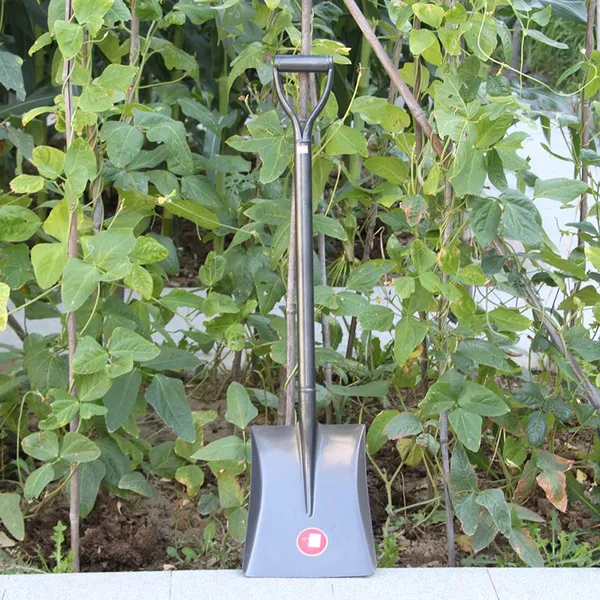 Read More
 -
Garden Hoes: Types, Materials, and Wholesale Buying Guide
July 24, 2026The garden hoe is one of the oldest and most essential tools in agriculture. From backyard vegetable patches to commercial farms,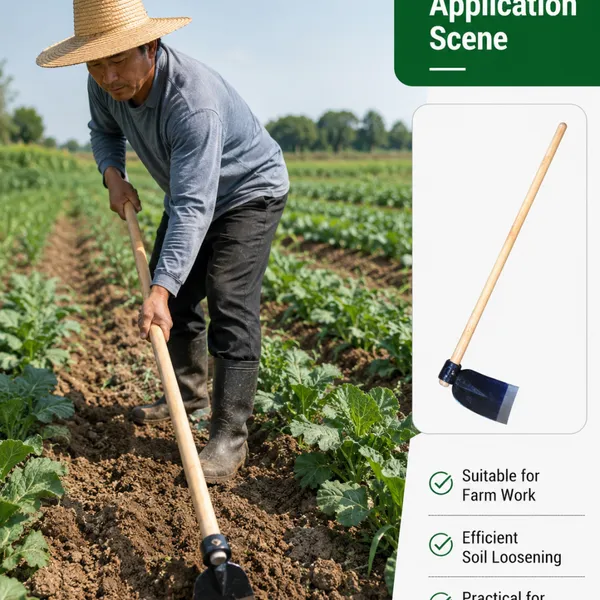 Read More

Contact Us
Recommended Products
-
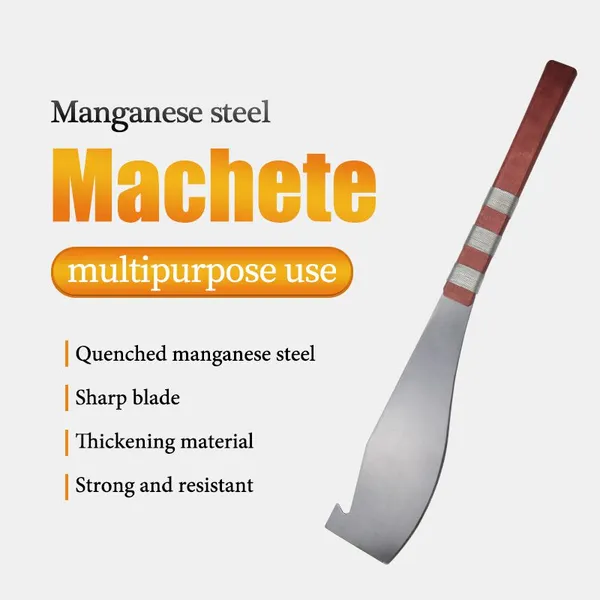
 Heavy Duty Cane Knife Machete for Wholesale Buyers Factory Direct Export for Rural Agricultural Projects Durable Hand ToolNegotiableMOQ: 1200 Pieces
 -
Agricultural Hoe Head Garden Rail Steel Tool for Tough Soil Cheap Price Hand ToolsUS$ 1.07 - 1.27MOQ: 1200 Pieces
-
Sturdy Rail Steel Hoe for Weeding, H305 Perfect for Agricultural and Garden TasksUS$ 1.07 - 1.27MOQ: 1200 Pieces
-
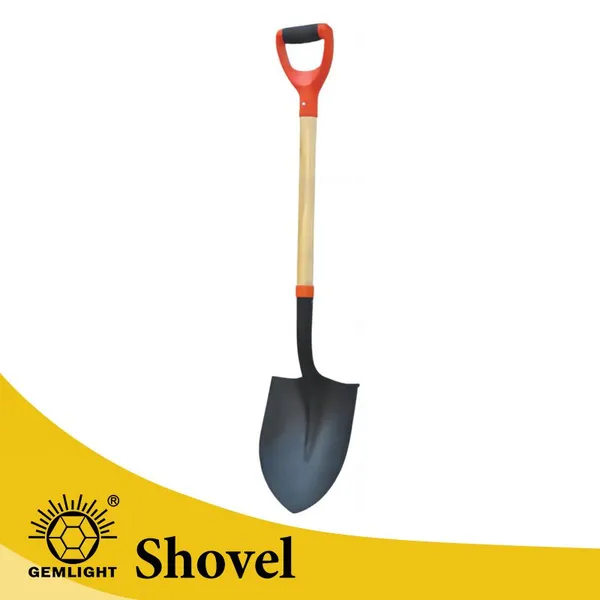
Heavy Duty Manganese Steel Garden Shovel Round Point Digging Shovel With Wooden Handle Farm Tool SupplierUS$ 2.14 - 2.36MOQ: 1200 Pieces
-
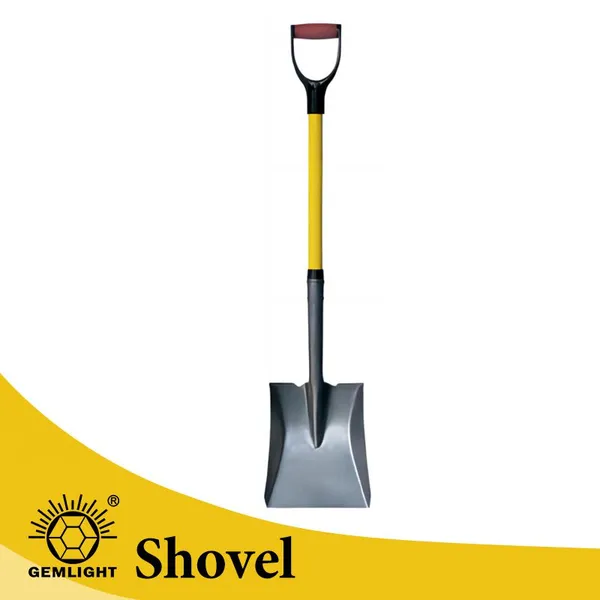
Big Shovel Wide Shovel Mud Shovel Heavy Duty Steel Blade for Farm Drainage Soil Moving Cleaning and Landscaping UseUS$ 2.14 - 2.36MOQ: 1200 Pieces
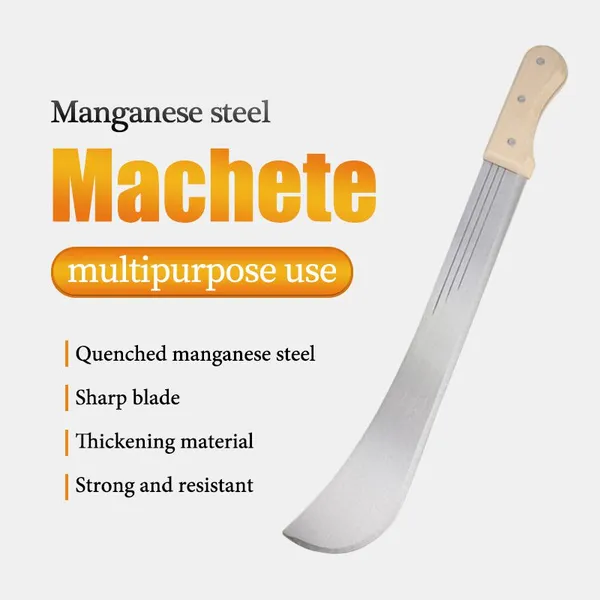
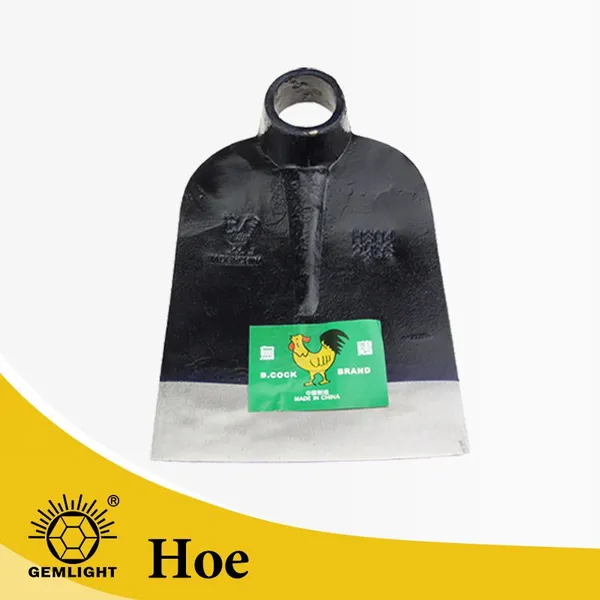
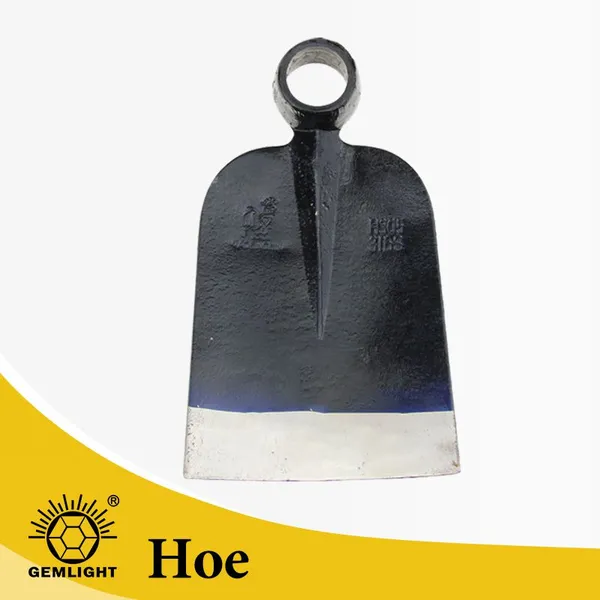
-
Strong Teeth Soil Rake for Farm Tool Suppliers Private Label Export for Farm Maintenance African Distribution Factory Bulk OrderUS$ 0.88 - 1.35MOQ: 2000 Pieces
-
Manual Cane Knife Machete for Wholesale Buyers Factory Direct Export for Rural Agricultural Projects Durable Hand ToolNegotiableMOQ: 1200 Pieces
-
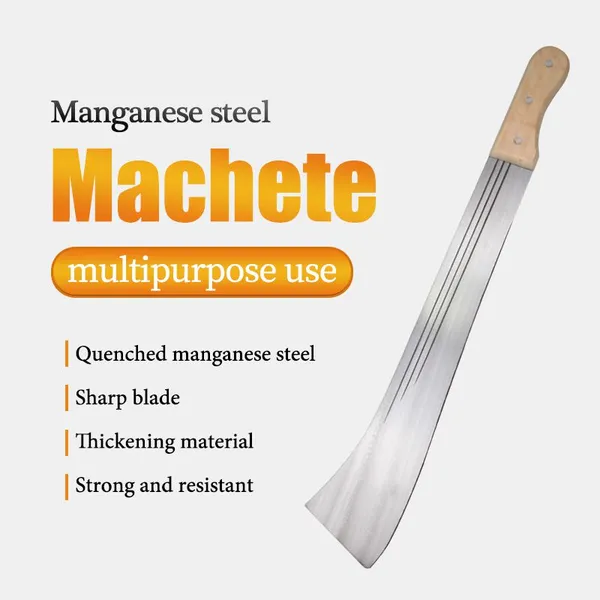
Large High Carbon Steel Machete Knife Agricultural Machete for Farming Bush Cutting Garden Tool SupplierNegotiableMOQ: 1200 Pieces
-
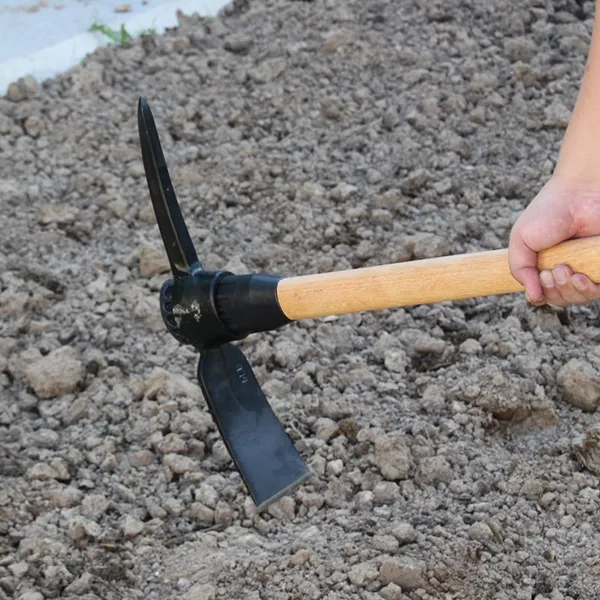
Wholesale Heavy Duty Pick Mattock for Mining Road Work and Farm Digging for Wholesale Tool Dealers With Bulk Order ServiceUS$ 1.85 - 2.3MOQ: 1200 Pieces
-
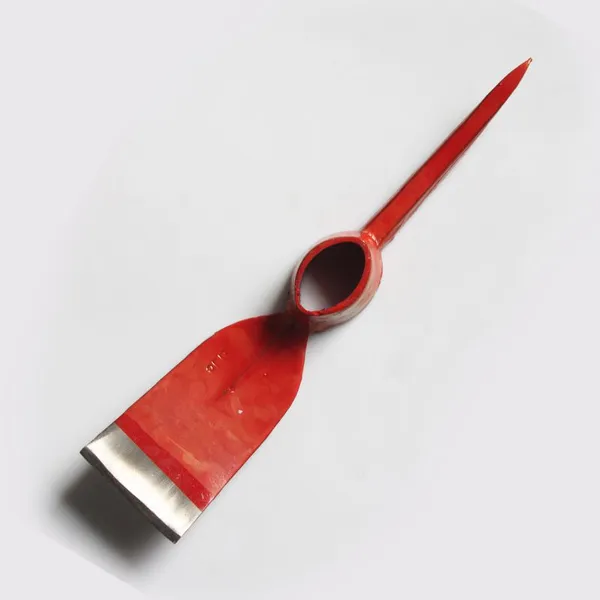
Carbon Steel Manual Pickaxe for Hard Soil Breaking and Trenching for African Importers With OEM Bulk Order Support Agricultural ToolUS$ 1.85 - 2.3MOQ: 1200 Pieces

-
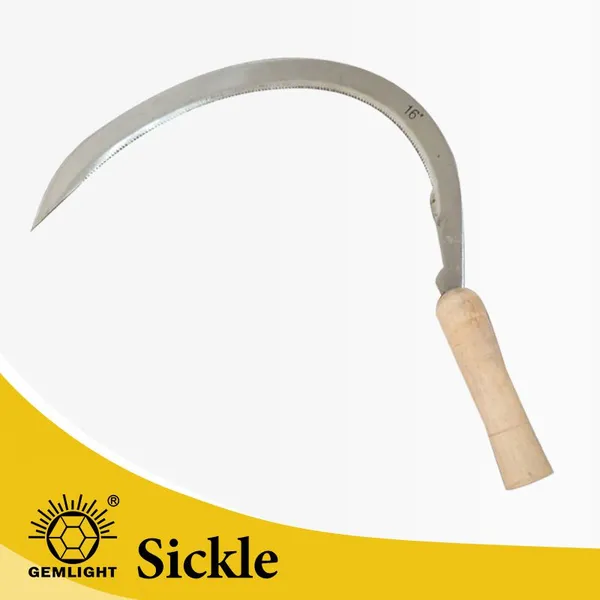
OEM Farm Sickle With Sharp Blade for African Importers OEM Bulk Order Support for Harvesting and Smallholder Farming for Wholesale BUS$ 0.28 - 0.33MOQ: 3000 Pieces
-
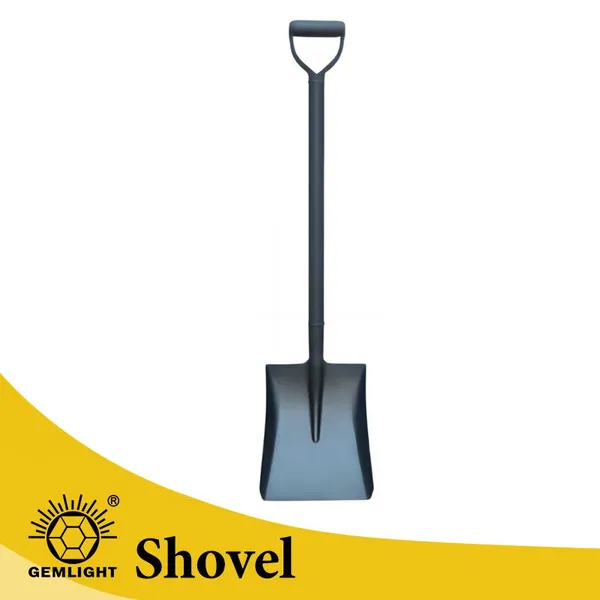
Heavy Duty Manganese Steel Round Point Shovel Garden Digging Shovel With Wooden Handle Agricultural Tool ManufacturerUS$ 2.14 - 2.36MOQ: 1200 Pieces
-
Farm Shovel Factory Supply for Regional Import Distributors Bulk Wholesale Supply for Garden Work and Trenching for Agricultural DealersUS$ 2.14 - 2.36MOQ: 1200 Pieces
-
Heavy Duty Garden Rake for African Importers OEM Factory Supply for Agricultural Use African Market Factory Bulk OrderUS$ 0.88 - 1.35MOQ: 2000 Pieces
-
Agricultural Soil Rake for Agricultural Dealers Export Supply for Garden Cleaning African Dealer Channels Factory Bulk OrderUS$ 0.88 - 1.35MOQ: 2000 Pieces
-
Manual Farm Machete for African Importers OEM Factory Supply for Farming and Land Clearing Durable Hand ToolNegotiableMOQ: 1200 Pieces
-
Large Heavy Duty Carbon Steel Garden Landscaping Digging HoeUS$ 1.07 - 1.27MOQ: 1200 Pieces
-
Heavy Duty Rail Steel Mattock Pick Axe With Wooden Handle for Digging Soil Mining and Agricultural Tool SupplierUS$ 1.85 - 2.3MOQ: 1200 Pieces
-
Forged Farm Sickle With Sharp Blade for African Importers OEM Bulk Order Support for Harvesting and Smallholder Farming for WholesalUS$ 0.28 - 0.33MOQ: 3000 Pieces
-
Strong Carbon Steel Farming Sickle for Uganda Tanzania Zambia Agricultural Tool DistributorsUS$ 0.34 - 0.47MOQ: 3000 Pieces