
 Business License

Rain Boots for Agriculture, Construction & Industrial Safety
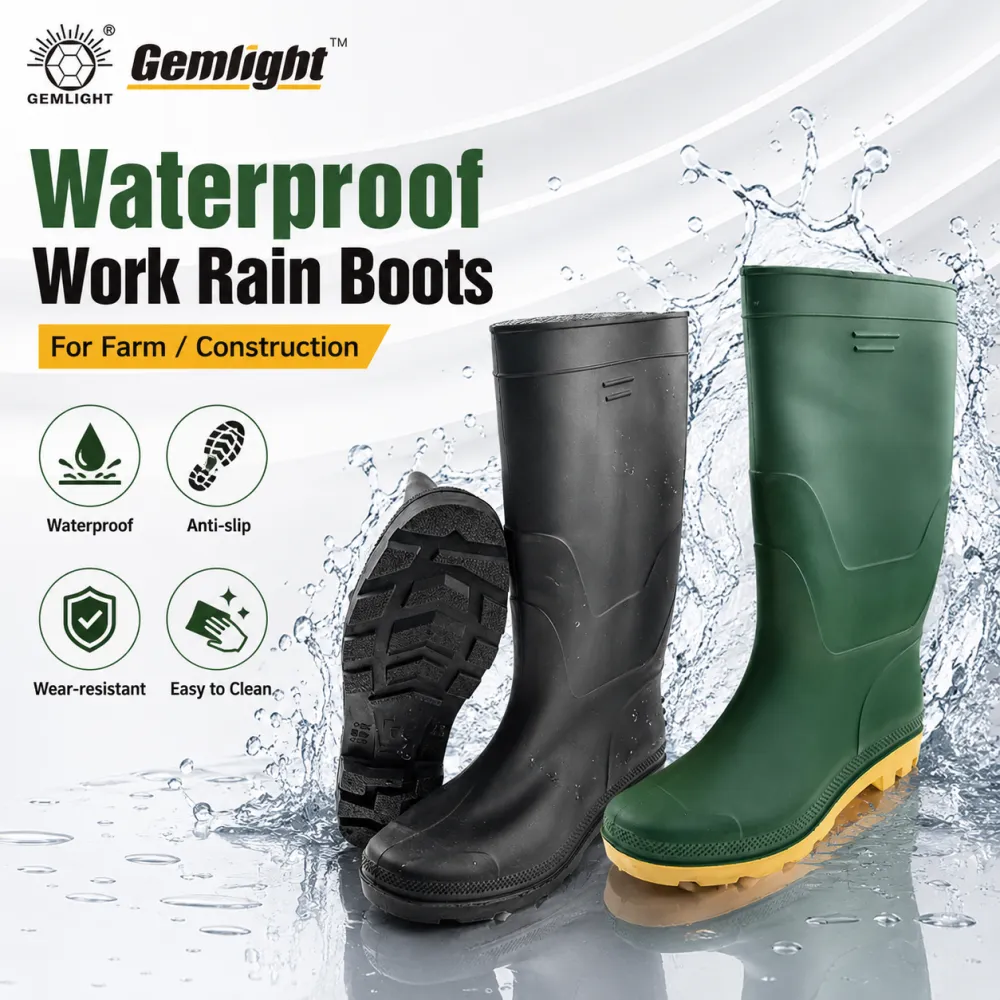
Rain boots are far more than simple waterproof footwear. In demanding work environments — from muddy farm fields to wet construction sites and hazardous industrial floors — the right pair of boots can mean the difference between a safe, productive day and a preventable injury. Whether you are a farmer, contractor, or safety manager sourcing wholesale work boots, understanding the materials, safety features, and application-specific requirements is essential.
The Two Core Materials: PVC vs. Rubber
Modern work rain boots are primarily made from two materials, each with distinct advantages:
| Feature | PVC Boots | Natural Rubber Boots |
| Waterproofing | Excellent — one-piece injection molding creates a seamless, fully waterproof shell | Excellent — natural rubber is inherently impermeable |
| Chemical Resistance | Superior resistance to oils, acids, fertilizers, and industrial chemicals | Good for water and mild chemicals; may degrade with strong solvents |
| Durability | High abrasion resistance; holds up well on rough terrain | Excellent elasticity and tear resistance; more flexible in cold weather |
| Weight | Lighter than rubber; reduces leg fatigue during long shifts | Slightly heavier; offers a more substantial feel |
| Cost | More economical — ideal for bulk wholesale purchasing | Higher material cost; premium positioning |
| Temperature Range | Performs well in moderate climates; can stiffen in extreme cold | Maintains flexibility in sub-zero conditions |
For most agricultural and construction applications, PVC boots offer the best balance of protection, durability, and cost-effectiveness — which is why they dominate the wholesale safety footwear market.
Safety Features That Matter
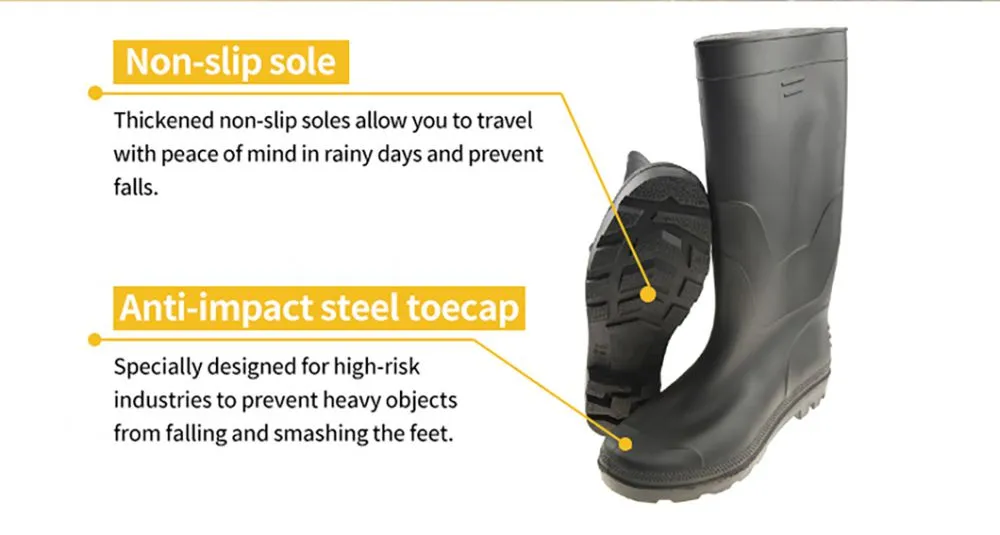
Steel Toe Protection (EN ISO 20345 S5)
The highest safety classification for work boots, S5-rated footwear provides:
Impact resistance: Withstands a 200-joule impact — equivalent to a 20 kg weight dropped from one meter
Compression resistance: Protects against crushing forces up to 15 kN
Puncture-proof soles: Steel or composite midsole plates prevent nails, sharp debris, and rebar from penetrating the sole
Anti-static properties: Dissipates electrostatic charge in sensitive environments
For construction sites, demolition work, and heavy industry, these certifications are non-negotiable.
Slip-Resistant Outsoles
Wet floors, oily surfaces, and muddy terrain are slip hazards in every industry. Quality rain boots feature deep-tread, self-cleaning outsole patterns that channel water and mud away from the contact surface. Look for SRC-rated slip resistance — the highest rating under ISO testing, covering both ceramic tile with sodium lauryl sulfate and steel floors with glycerol.
Ankle and Calf Support
Unlike fashion rain boots, work boots are designed with a taller shaft that provides:
Lateral ankle stability on uneven ground
Protection against water and mud entry up to mid-calf
Reinforcement at the heel and Achilles for all-day structural support
Industry-Specific Applications
Agriculture & Farming
Farmers face unique footwear challenges: constant exposure to water, mud, animal waste, and agricultural chemicals. PVC rain boots for agriculture should prioritize:
Chemical resistance against fertilizers and pesticides
Easy-to-clean surfaces — smooth PVC wipes down in seconds
Comfort for long hours — lightweight construction with cushioned insoles
Cold-weather variants with insulated linings for winter livestock work
From rice paddies to dairy farms to vegetable fields, waterproof boots are the single most essential piece of farm PPE.
Construction & Civil Engineering
Construction sites demand maximum protection. Pouring concrete, working in trenches, or operating in wet conditions all require boots that can handle:
Sharp debris including nails, glass, and metal scrap
Wet cement and concrete slurry that can cause chemical burns
Heavy object impact risks from dropped tools and materials
Uneven terrain that strains ankles and arches
Steel toe, puncture-proof PVC boots are the standard issue on construction sites across the globe for good reason — they deliver the highest protection at the most accessible wholesale price point.
Labor Protection & General Industry
In factories, warehouses, food processing plants, and municipal services, rain boots serve as both safety gear and hygiene equipment. Common requirements include:
Slip resistance on wet production floors
Chemical splash protection in cleaning and processing areas
Regulatory compliance with national and international workplace safety standards
High-visibility accents for low-light environments
Wholesale Purchasing Considerations
When sourcing rain boots in bulk for retail distribution or corporate procurement, keep these factors in mind:
Certification documentation: Ensure the manufacturer provides valid EN ISO 20345 test reports and CE marking
Size range coverage: A complete range from EU 36 to EU 48 (with half sizes) maximizes your addressable market
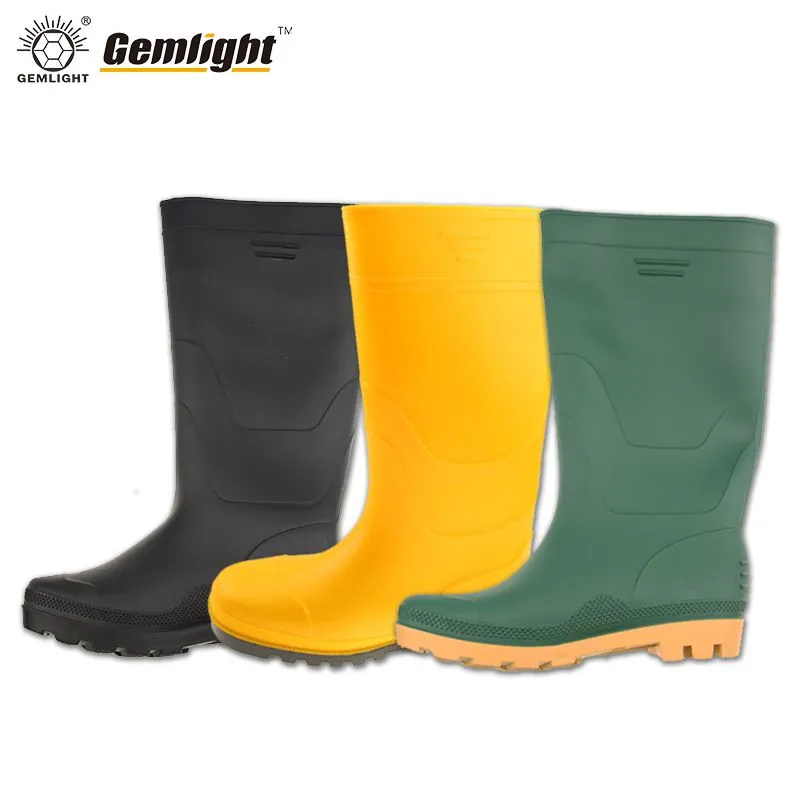
Color and style options: While green and black remain the industry standards, demand for yellow high-visibility and blue variants is growing
Minimum order quantities: PVC injection-molded boots typically have flexible MOQs, making them accessible for small to medium buyers
Seasonal demand planning: Peak ordering windows fall in February–April for spring planting and August–October for harvest and rainy season preparation
Market Outlook
The global work boots market continues to expand, driven by tightening workplace safety regulations, growth in construction and infrastructure spending, and increasing awareness of occupational health across developing economies. Rubber and PVC boots remain the dominant category for wet-environment protection, with particularly strong demand across Southeast Asia, Africa, and South America — regions where agriculture and infrastructure development are economic cornerstones.
The Bottom Line
A quality pair of work rain boots is an investment in safety, productivity, and long-term foot health. Whether your customers are tilling soil, laying foundations, or managing factory floors, supplying them with certified, durable, and comfortable waterproof boots builds trust and drives repeat business. In the world of occupational safety, dry feet are just the beginning.
Recently Posted
-
Pry Bar vs Crowbar vs Wrecking Bar: What Buyers Actually Need to Know
September 8, 2026Pry Bar vs Crowbar vs Wrecking Bar: What Buyers Actually Need to KnowA practical guide written from the buyer's point of view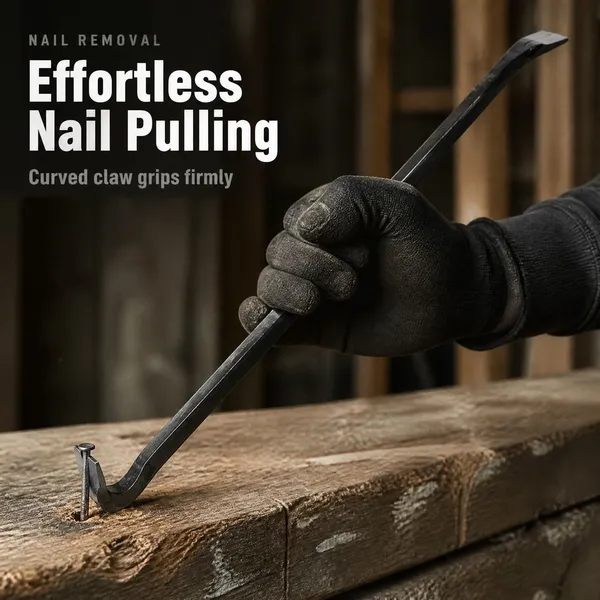 Read More
 -
Curved Sickle Blades for Importers: A Low-Risk, High-Turnover Line That Sells in Every Season
August 28, 2026Curved Brush Sickle Blades with Pre-Drilled Tangs: The All-Round Cutting ToolFrom grass and weeds to harvest and brush — why a fan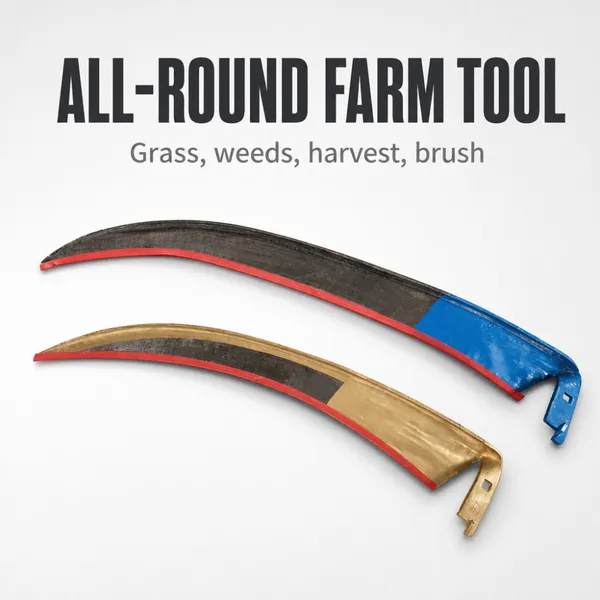 Read More
 -
Carbon Steel Sickles from China: The Complete Guide for Farm Tool Distributors
August 14, 2026How to Import Carbon Steel Sickles from China: The Complete Guide for Farm Tool DistributorsA practical step-by-step guide for dis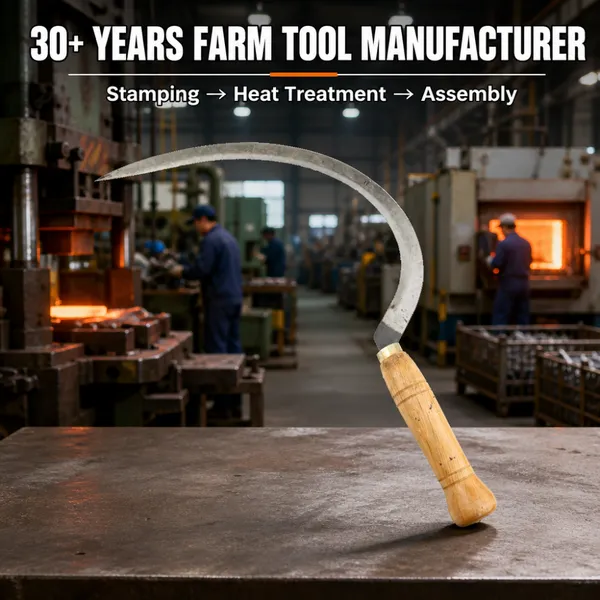 Read More
 -
Heat-Treated Carbon Steel Blades Sickle — Africa's Hottest Farm Tool
August 12, 2026Carbon Steel Sickles: The Complete B2B Buying Guide for Harvest & Farm WorkWhy the world's oldest harvesting tool is still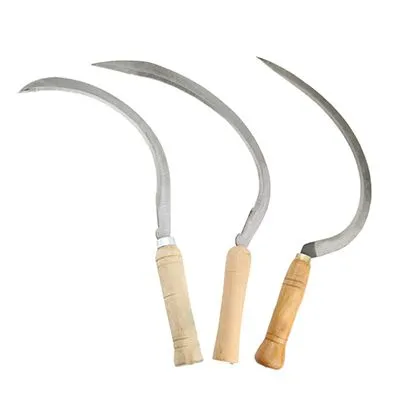 Read More

Contact Us
Recommended Products
-
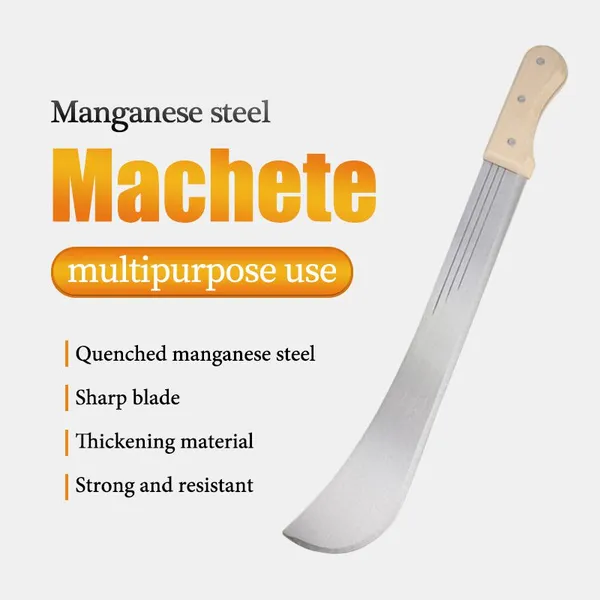
 Heavy Duty Cane Knife Machete for Wholesale Buyers Factory Direct Export for Rural Agricultural Projects Durable Hand ToolNegotiableMOQ: 1200 Pieces
 -
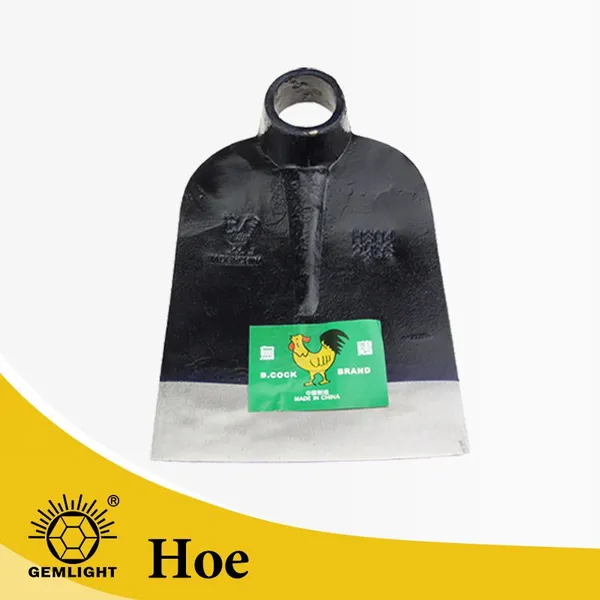
Agricultural Hoe Head Garden Rail Steel Tool for Tough Soil Cheap Price Hand ToolsUS$ 1.07 - 1.27MOQ: 1200 Pieces
-
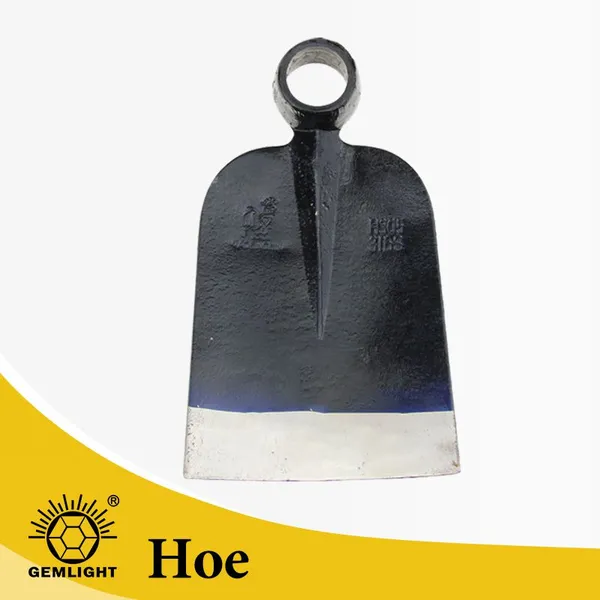
Sturdy Rail Steel Hoe for Weeding, H305 Perfect for Agricultural and Garden TasksUS$ 1.07 - 1.27MOQ: 1200 Pieces
-
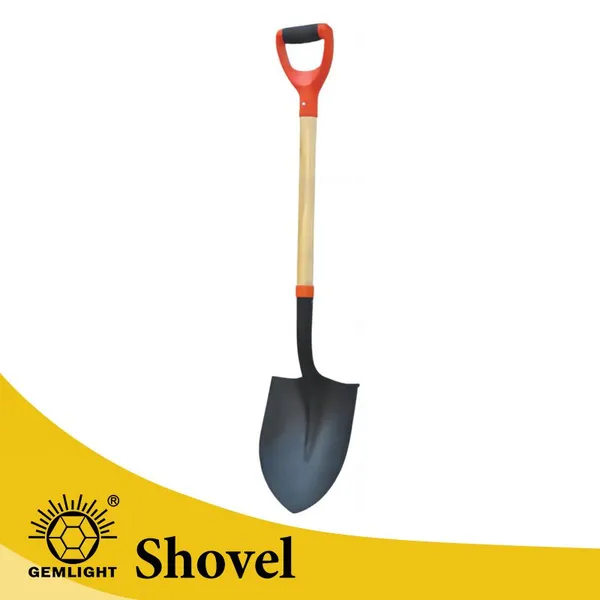
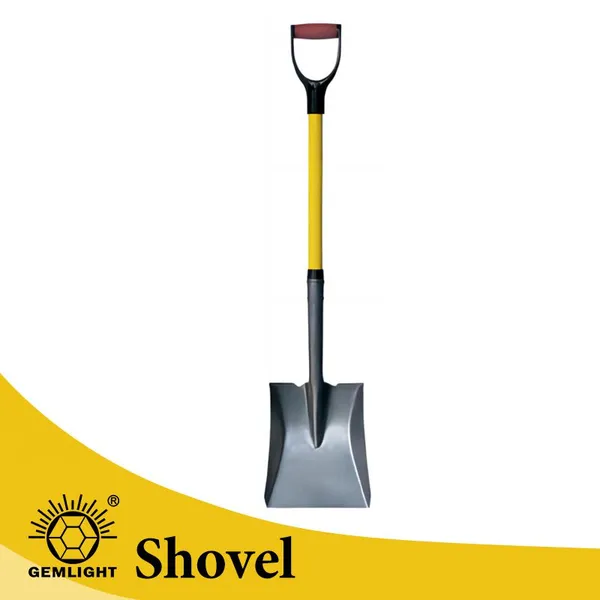
Heavy Duty Manganese Steel Garden Shovel Round Point Digging Shovel With Wooden Handle Farm Tool SupplierUS$ 2.14 - 2.36MOQ: 1200 Pieces
-
Big Shovel Wide Shovel Mud Shovel Heavy Duty Steel Blade for Farm Drainage Soil Moving Cleaning and Landscaping UseUS$ 2.14 - 2.36MOQ: 1200 Pieces
-
Strong Teeth Soil Rake for Farm Tool Suppliers Private Label Export for Farm Maintenance African Distribution Factory Bulk OrderUS$ 0.88 - 1.35MOQ: 2000 Pieces
-
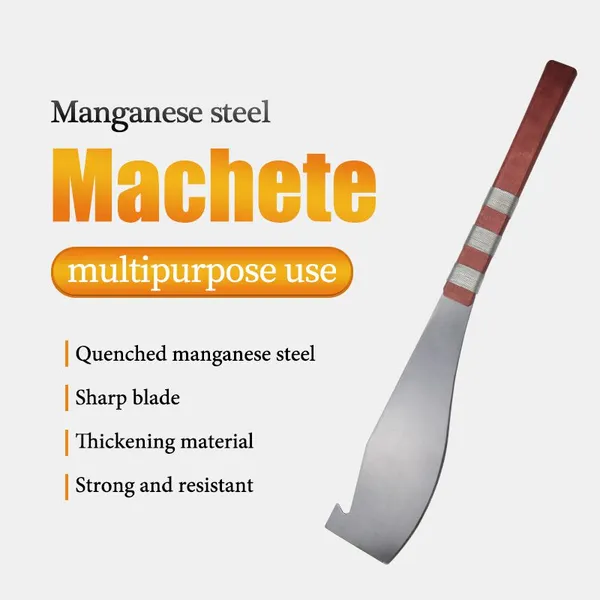
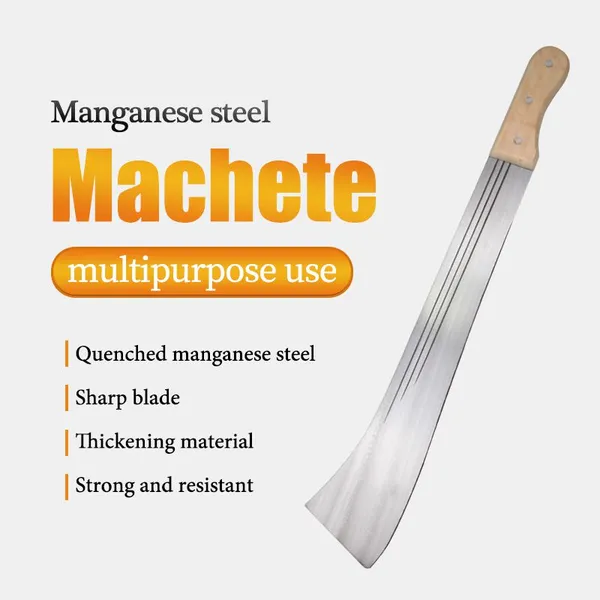
Manual Cane Knife Machete for Wholesale Buyers Factory Direct Export for Rural Agricultural Projects Durable Hand ToolNegotiableMOQ: 1200 Pieces
-
Large High Carbon Steel Machete Knife Agricultural Machete for Farming Bush Cutting Garden Tool SupplierNegotiableMOQ: 1200 Pieces
-
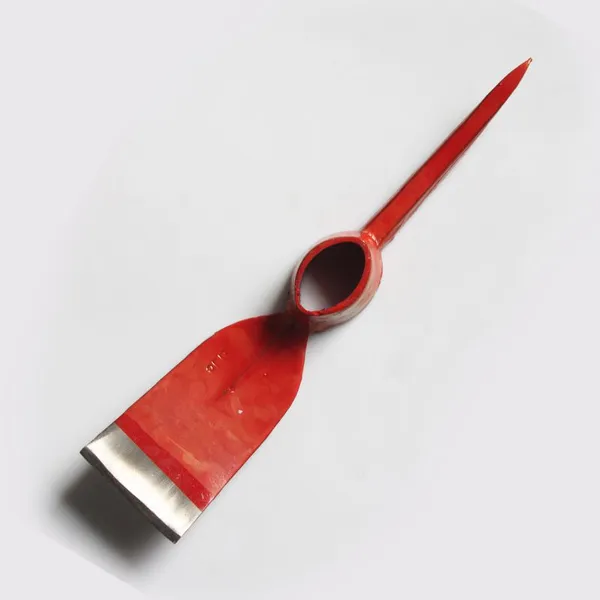
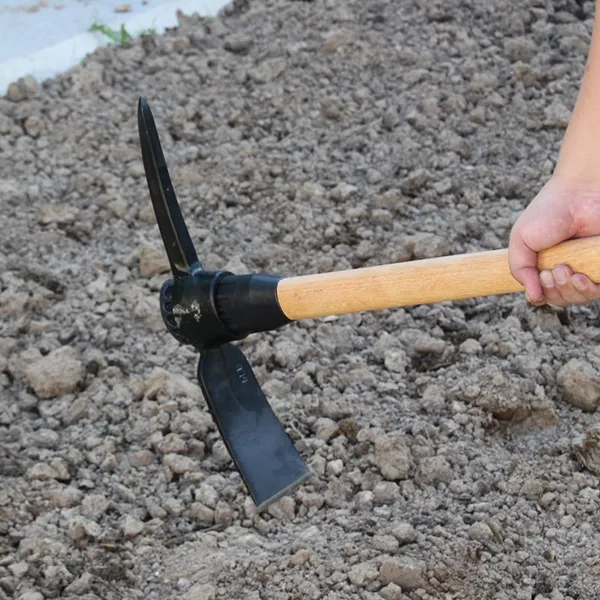
Wholesale Heavy Duty Pick Mattock for Mining Road Work and Farm Digging for Wholesale Tool Dealers With Bulk Order ServiceUS$ 1.85 - 2.3MOQ: 1200 Pieces
-
Carbon Steel Manual Pickaxe for Hard Soil Breaking and Trenching for African Importers With OEM Bulk Order Support Agricultural ToolUS$ 1.85 - 2.3MOQ: 1200 Pieces

-
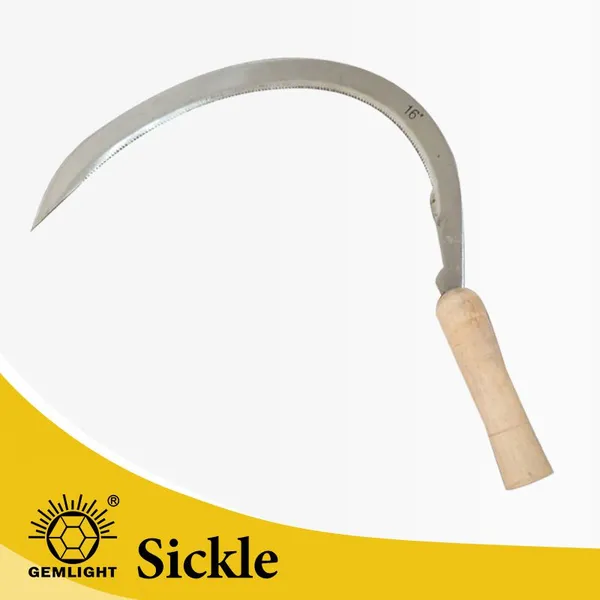
OEM Farm Sickle With Sharp Blade for African Importers OEM Bulk Order Support for Harvesting and Smallholder Farming for Wholesale BUS$ 0.28 - 0.33MOQ: 3000 Pieces
-
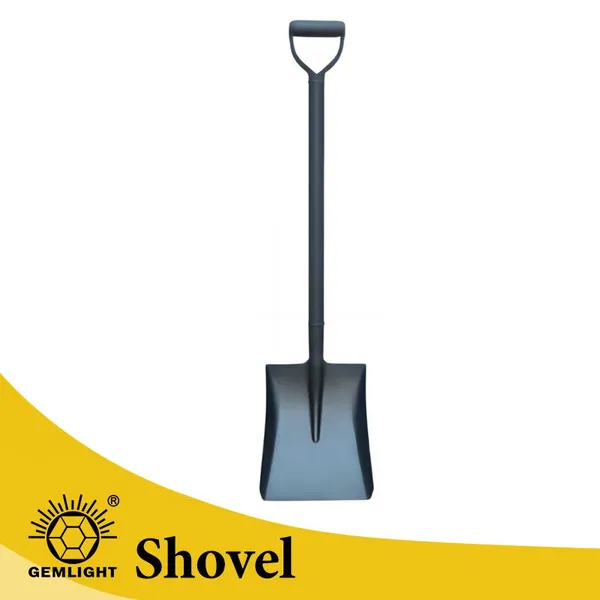
Heavy Duty Manganese Steel Round Point Shovel Garden Digging Shovel With Wooden Handle Agricultural Tool ManufacturerUS$ 2.14 - 2.36MOQ: 1200 Pieces
-
Farm Shovel Factory Supply for Regional Import Distributors Bulk Wholesale Supply for Garden Work and Trenching for Agricultural DealersUS$ 2.14 - 2.36MOQ: 1200 Pieces
-
Heavy Duty Garden Rake for African Importers OEM Factory Supply for Agricultural Use African Market Factory Bulk OrderUS$ 0.88 - 1.35MOQ: 2000 Pieces
-
Agricultural Soil Rake for Agricultural Dealers Export Supply for Garden Cleaning African Dealer Channels Factory Bulk OrderUS$ 0.88 - 1.35MOQ: 2000 Pieces
-
Manual Farm Machete for African Importers OEM Factory Supply for Farming and Land Clearing Durable Hand ToolNegotiableMOQ: 1200 Pieces
-
Large Heavy Duty Carbon Steel Garden Landscaping Digging HoeUS$ 1.07 - 1.27MOQ: 1200 Pieces
-
Heavy Duty Rail Steel Mattock Pick Axe With Wooden Handle for Digging Soil Mining and Agricultural Tool SupplierUS$ 1.85 - 2.3MOQ: 1200 Pieces
-
Forged Farm Sickle With Sharp Blade for African Importers OEM Bulk Order Support for Harvesting and Smallholder Farming for WholesalUS$ 0.28 - 0.33MOQ: 3000 Pieces
-
Strong Carbon Steel Farming Sickle for Uganda Tanzania Zambia Agricultural Tool DistributorsUS$ 0.34 - 0.47MOQ: 3000 Pieces