
 Business License

Carbon Steel Sickles from China: The Complete Guide for Farm Tool Distributors
How to Import Carbon Steel Sickles from China: The Complete Guide for Farm Tool Distributors
A practical step-by-step guide for distributors in Africa and the Middle East who want to build a profitable sickle line — from specs and packaging to shipping and inspection.
1. Why Import Sickles from China
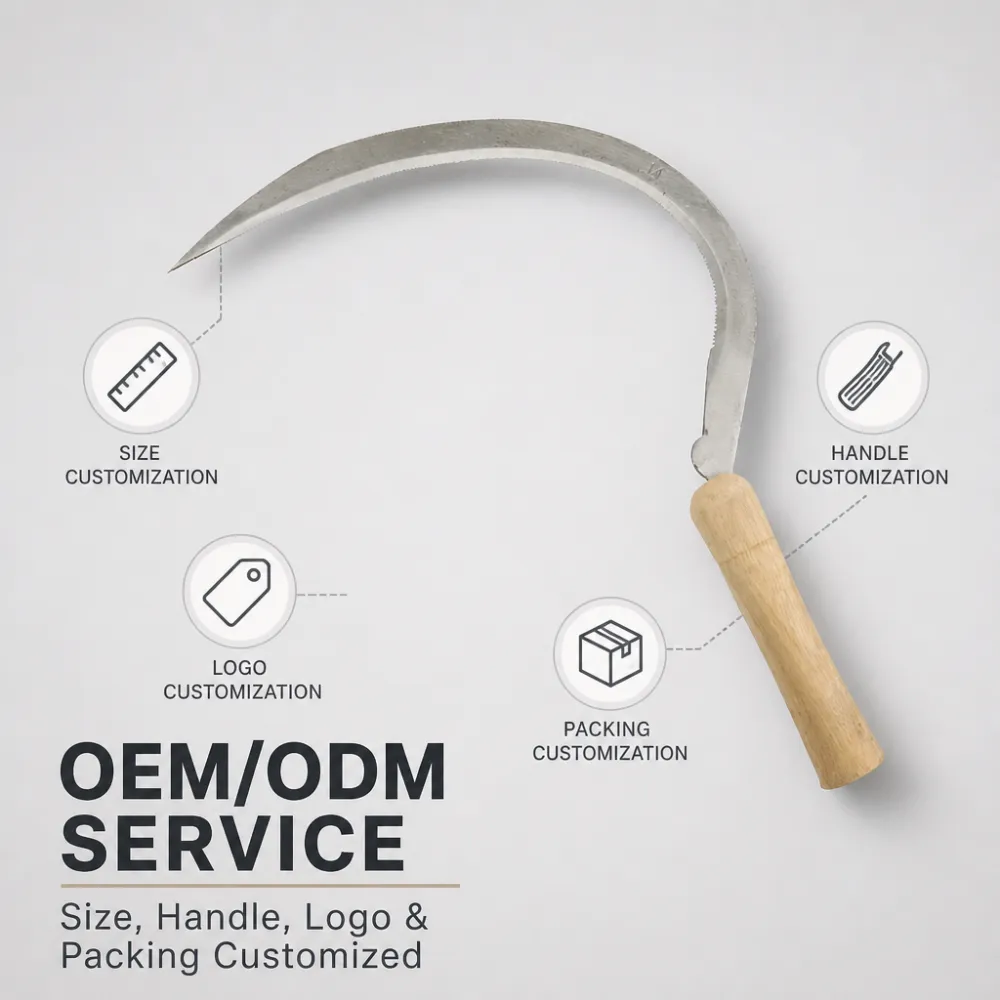
China is the world's largest manufacturer of hand farm tools, and the sickle is one of the most exported items in the category. Chinese factories combine mature carbon steel forging technology with the scale that keeps unit costs low — which is why buyers in the Middle East and Africa have sourced sickles from China for decades. For a distributor, the import path is straightforward if you know what to specify, what to pay for, and what to check before the container sails.
2. Know the Product Range Before You Ask for a Quote
Suppliers quote by model number, so understanding the range helps you compare offers fairly. The most common export families are:
202 series
● — the classic straight-handle sickle, 8 to 18 inches, in both
with-ferrule
and
without-ferrule
versions. The ferrule (metal collar where blade meets handle) adds strength and a slightly higher price.
212AP series
● — a lightweight option with plastic or wooden handles.
206D family
● — curved-handle sickles in small and large curve styles, plus plastic-handled and 20 cm steel-pipe-handled versions.
33 and 34 series
● — heavy-duty blades at 2.5 mm thickness (3.0 mm available on request).
206C-G / 206E
● — compact blades (4.5 and 6.5 inches) packed in higher carton counts.
Edge-trim (b4) sickles
● — a 4.5-inch trimmer-style blade with plastic or wooden handle.
Ask for the model number, size, and thickness in every quote — two "12-inch sickles" from different factories can be very different tools.
3. The Three Specs That Decide Quality
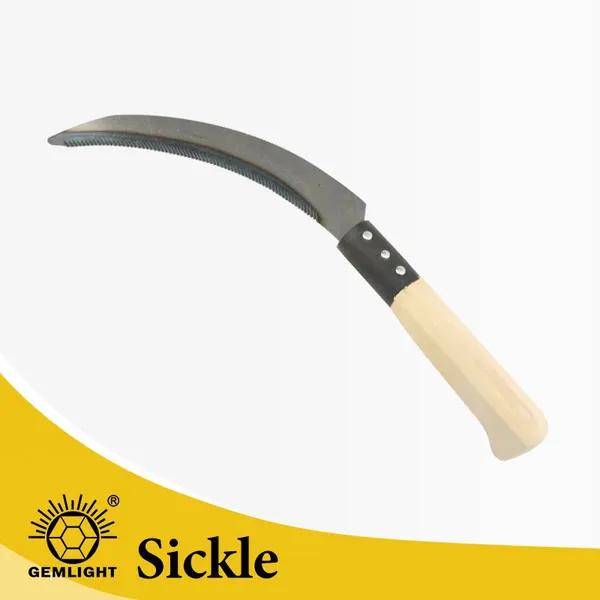
Blade steel and thickness. All quality sickles use carbon steel. Standard thickness runs from 1.2 mm (light, good for grass and rice) up to 2.0–2.5 mm (heavy, for tough brush), with 3.0 mm for special orders. Heavier steel costs more but bends less and lasts far longer — match the thickness to your market's main cutting jobs.
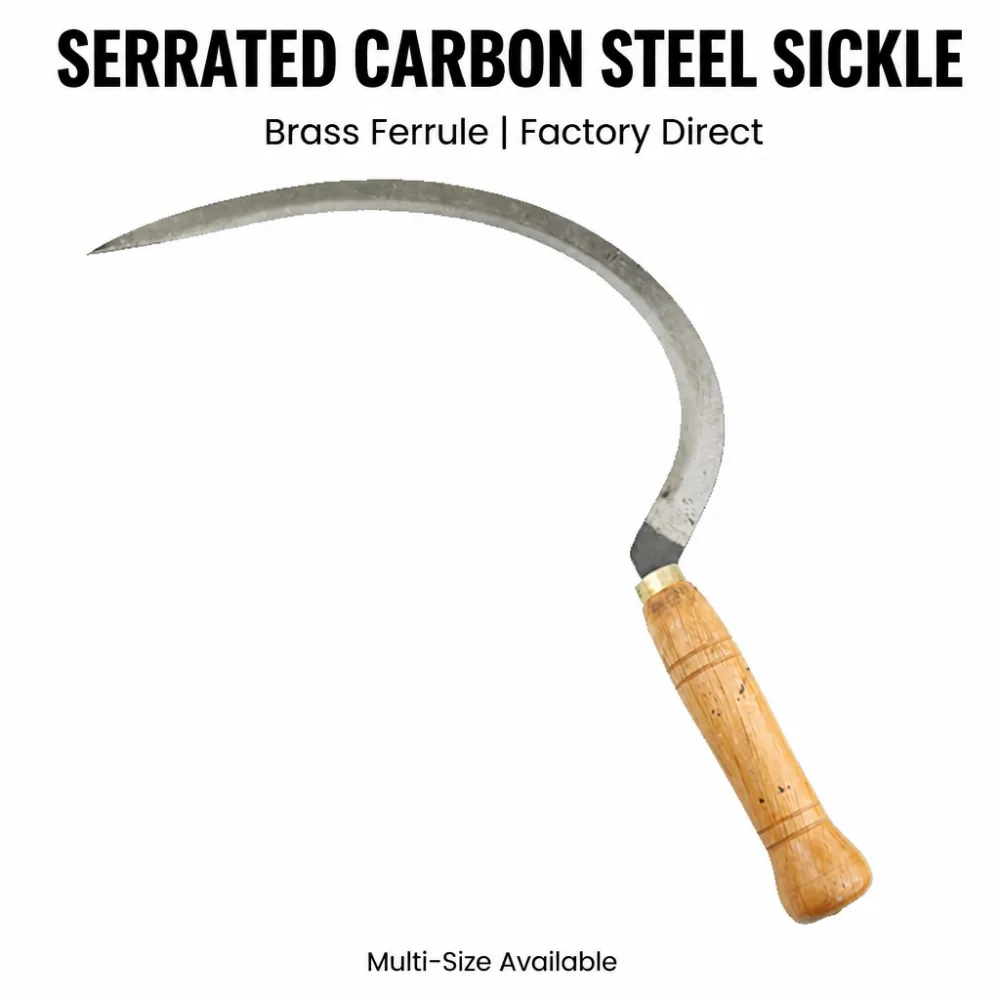
Heat treatment. A genuine heat-treated blade shows a dark oxide or black finish from the quenching and tempering process. This is the single most important quality marker: it is what keeps the edge sharp through a full harvest. Be suspicious of bright, untreated blades priced below market.
Handle type. Wooden handles (poplar or mixed hardwood) are the traditional favorite across the Middle East; plastic handles resist moisture and are popular in humid regions; 20 cm steel-pipe handles with anti-slip PVC sleeves are the premium, heavy-duty choice, often with a copper hanging ring.
4. Packaging: More Than a Pretty Box
Packaging affects both freight cost and retail appeal. The three standard options are button packaging (blade covered with clear film, hang tag), paper-card packaging (cardboard-backed, ideal for shelf display and custom printing), and kraft paper wrapping (the cheapest option, common for budget lines). In edge-trim ranges, paper-bag packing costs less than PVC. Carton counts are standardized at 60, 120, or 240 pieces per carton — for example, the 202 series ships 120 pieces in a 35×35×19 cm carton, while compact models like the 206C-G pack 240 pieces per carton. Confirm carton size and count before agreeing freight terms.
5. What Drives the Price
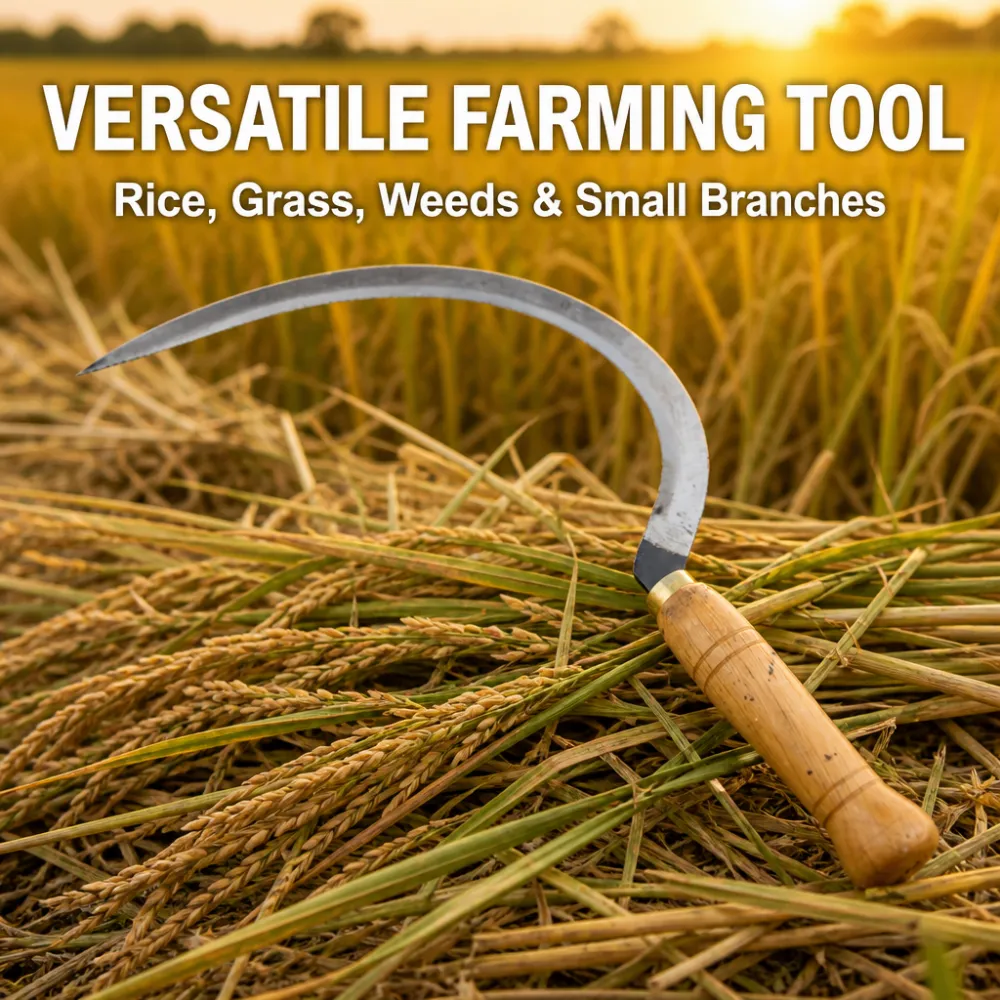
Four factors move the unit price most: blade thickness (1.2 mm vs. 3.0 mm is a big jump), handle material (wood vs. plastic vs. steel pipe), ferrule or no ferrule, and packaging type (paper wrap is cheapest; printed card packaging costs more but sells better). Always ask suppliers to break down these components in the quote — a low price usually means a downgrade in one of them.
6. Samples, MOQ, and Lead Times
Never order a full container from a photo. Request pre-production samples — check the blade edge, flex, handle fixing, balance, and the actual carton dimensions. Standard MOQs for sickles are typically modest (a few hundred to a few thousand pieces), making the category friendly for first-time importers. Lead times usually run three to six weeks after sample approval, depending on carton quantity and whether custom branding is involved.
7. Shipping and Cost Planning
Sickles are dense and compact, which makes freight per piece low. Carton dimensions in the 33–52 cm range cube efficiently into 20 ft and 40 ft containers, and standard counts of 60–240 pieces per carton keep weight predictable. Get the gross weight per carton in the quote so you can compare sea freight accurately. For Middle East and African routes, ask suppliers about their regular shipping lanes — established factories ship these routes weekly.
8. The Five-Point Pre-Shipment Inspection
Before the container leaves the factory, check:
Edge
1. — the blade must cut cleanly along its full curve, with no soft spots or skipped areas.
Flex and hardness
2. — a treated blade springs back from moderate bending without permanent warp.
Handle fixing
3. — the head must not rattle, twist, or pull off under firm force.
Weight and balance
4. — spot-check against the quoted specs; a lighter blade than ordered means downgraded steel.
Packaging and marks
5. — verify carton count, inner packing, and printed branding against the purchase order.
9. Choosing a Manufacturing Partner
The safest choice is a manufacturer, not a trader — someone who presses and grinds the blades, runs the heat treatment, and fits the handles in their own workshop. That control means consistent quality, honest lead times, and prices that leave room for your margin. Our own production line covers the full chain: hydraulic pressing, precision grinding, heat treatment, handle assembly, and packing, with custom branding and mixed-size containers handled as standard. We have exported to the Middle East, Africa, Europe, and Asia for over a decade — samples and spec sheets are available on request.
The takeaway: importing sickles from China is a proven, low-risk business when you specify the right model, thickness, handle, and packaging — and verify quality before shipment. Get those right, and a well-priced, durable sickle line will sell itself every harvest season.
Ready to start? Contact us for the full model list, current prices, and pre-production samples. We ship to the Middle East and Africa weekly.
Recently Posted
-
Heat-Treated Carbon Steel Blades Sickle — Africa's Hottest Farm Tool
August 12, 2026Carbon Steel Sickles: The Complete B2B Buying Guide for Harvest & Farm WorkWhy the world's oldest harvesting tool is still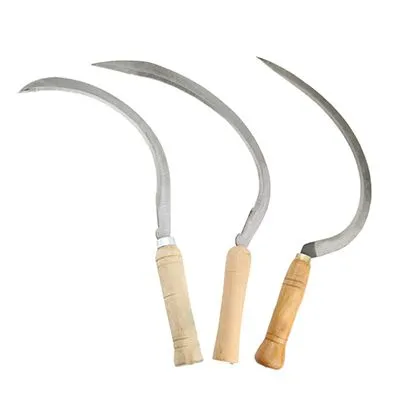 Read More
 -
Welded Manganese Steel Shovels Africa's Go-To Tool for Farming and Construction
July 30, 2026Welded Manganese Steel Shovels: Africa's Go-To Tool for Farming and ConstructionAcross Africa, the shovel is a daily workhorse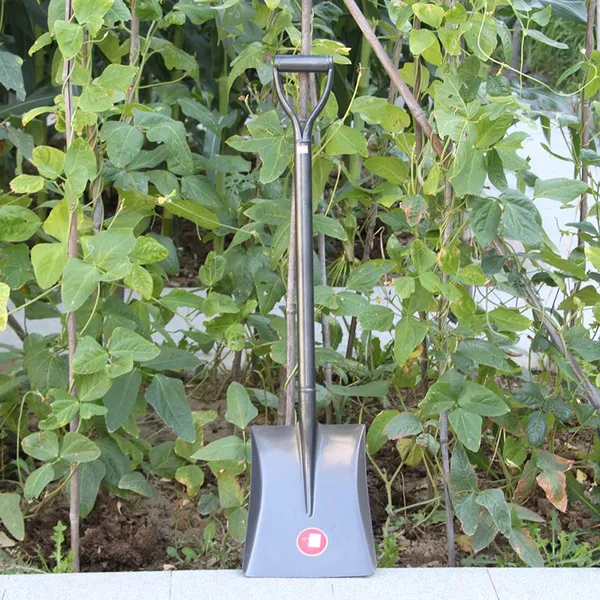 Read More
 -
Garden Hoes: Types, Materials, and Wholesale Buying Guide
July 24, 2026The garden hoe is one of the oldest and most essential tools in agriculture. From backyard vegetable patches to commercial farms,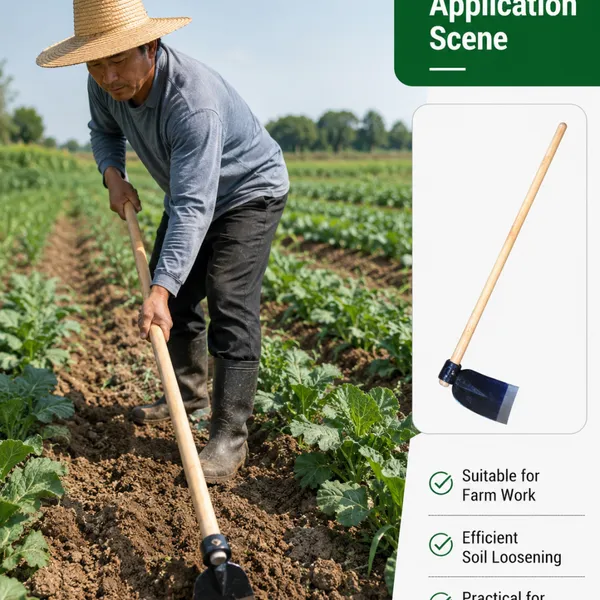 Read More
 -
Rain Boots for Agriculture, Construction & Industrial Safety
July 17, 2026Rain boots are far more than simple waterproof footwear. In demanding work environments — from muddy farm fields to wet constructi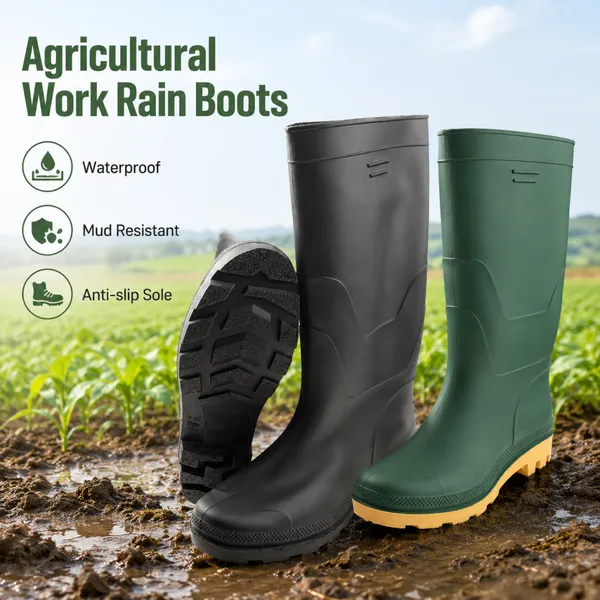 Read More

Contact Us
Recommended Products
-
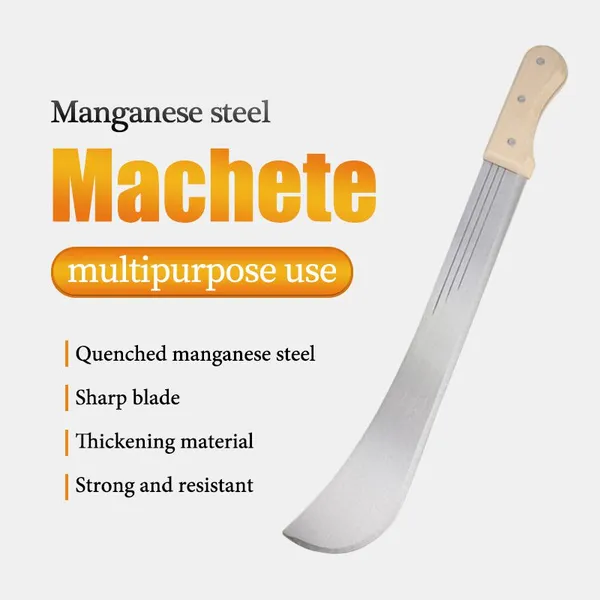
 Heavy Duty Cane Knife Machete for Wholesale Buyers Factory Direct Export for Rural Agricultural Projects Durable Hand ToolNegotiableMOQ: 1200 Pieces
 -
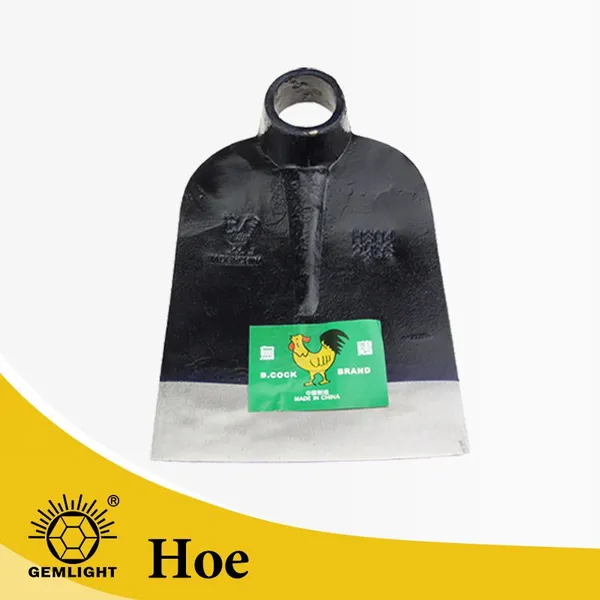
Agricultural Hoe Head Garden Rail Steel Tool for Tough Soil Cheap Price Hand ToolsUS$ 1.07 - 1.27MOQ: 1200 Pieces
-
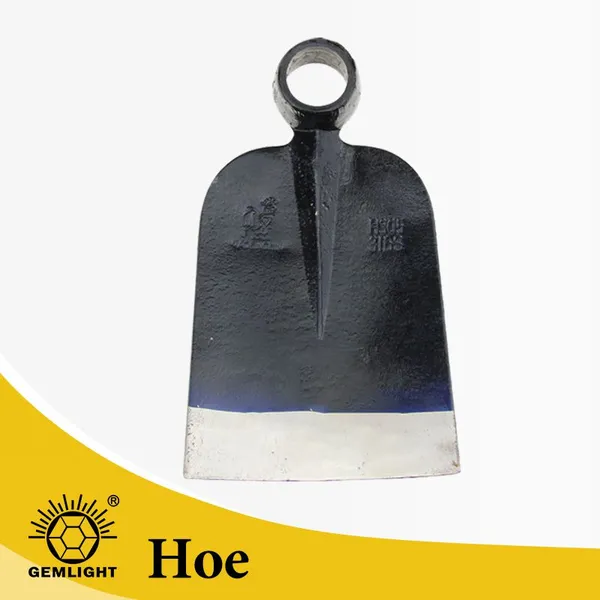
Sturdy Rail Steel Hoe for Weeding, H305 Perfect for Agricultural and Garden TasksUS$ 1.07 - 1.27MOQ: 1200 Pieces
-
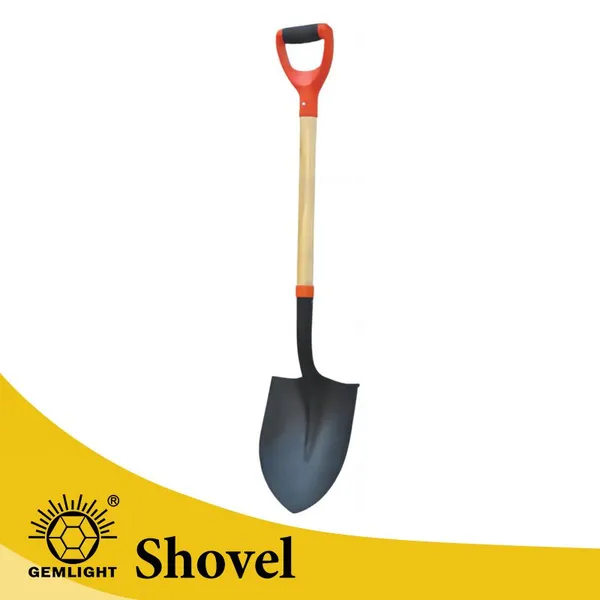
Heavy Duty Manganese Steel Garden Shovel Round Point Digging Shovel With Wooden Handle Farm Tool SupplierUS$ 2.14 - 2.36MOQ: 1200 Pieces
-
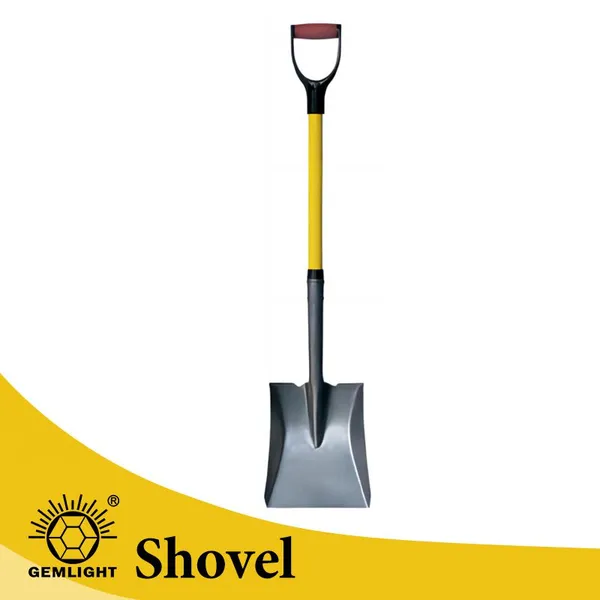
Big Shovel Wide Shovel Mud Shovel Heavy Duty Steel Blade for Farm Drainage Soil Moving Cleaning and Landscaping UseUS$ 2.14 - 2.36MOQ: 1200 Pieces
-
Strong Teeth Soil Rake for Farm Tool Suppliers Private Label Export for Farm Maintenance African Distribution Factory Bulk OrderUS$ 0.88 - 1.35MOQ: 2000 Pieces
-
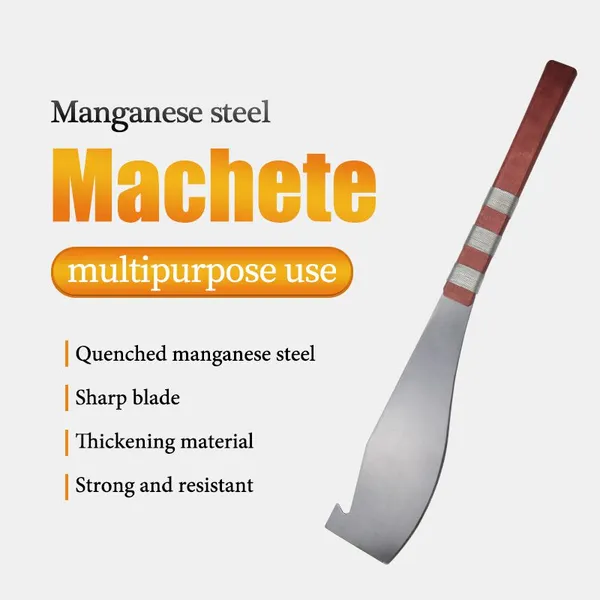
Manual Cane Knife Machete for Wholesale Buyers Factory Direct Export for Rural Agricultural Projects Durable Hand ToolNegotiableMOQ: 1200 Pieces
-
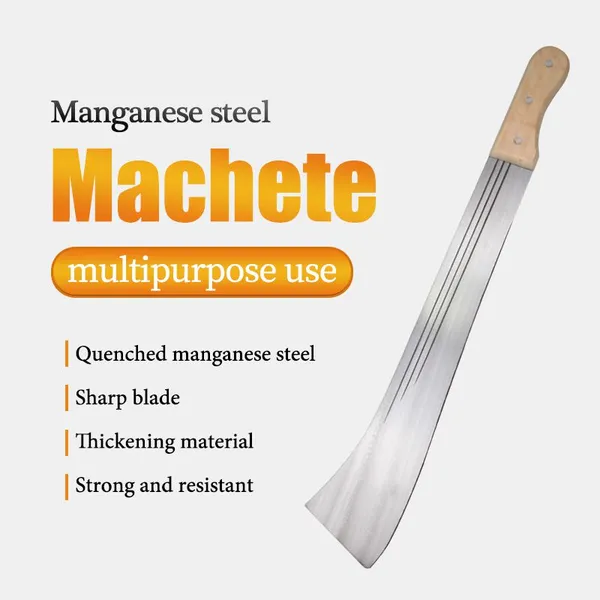
Large High Carbon Steel Machete Knife Agricultural Machete for Farming Bush Cutting Garden Tool SupplierNegotiableMOQ: 1200 Pieces
-
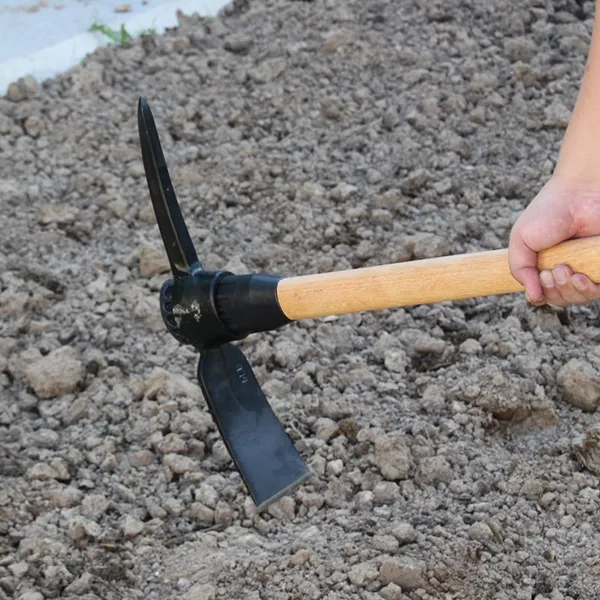
Wholesale Heavy Duty Pick Mattock for Mining Road Work and Farm Digging for Wholesale Tool Dealers With Bulk Order ServiceUS$ 1.85 - 2.3MOQ: 1200 Pieces
-
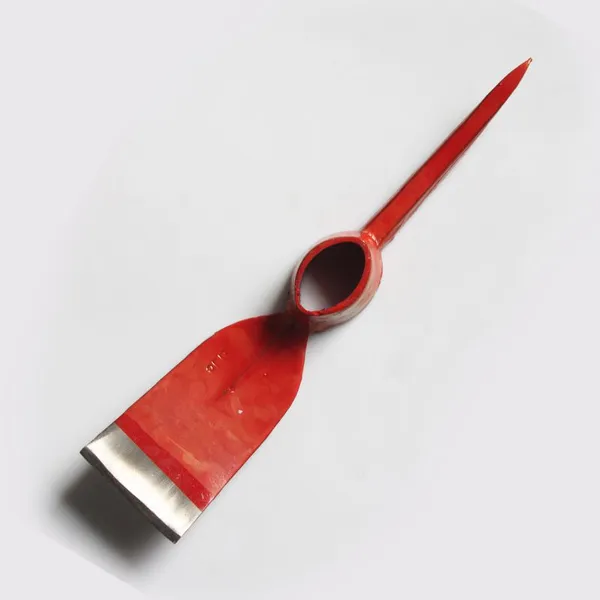
Carbon Steel Manual Pickaxe for Hard Soil Breaking and Trenching for African Importers With OEM Bulk Order Support Agricultural ToolUS$ 1.85 - 2.3MOQ: 1200 Pieces

-
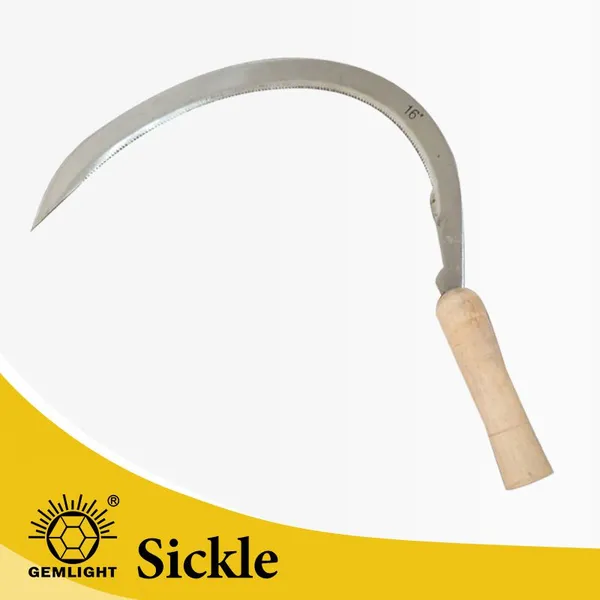
OEM Farm Sickle With Sharp Blade for African Importers OEM Bulk Order Support for Harvesting and Smallholder Farming for Wholesale BUS$ 0.28 - 0.33MOQ: 3000 Pieces
-
Heavy Duty Manganese Steel Round Point Shovel Garden Digging Shovel With Wooden Handle Agricultural Tool ManufacturerUS$ 2.14 - 2.36MOQ: 1200 Pieces
-
Farm Shovel Factory Supply for Regional Import Distributors Bulk Wholesale Supply for Garden Work and Trenching for Agricultural DealersUS$ 2.14 - 2.36MOQ: 1200 Pieces
-
Heavy Duty Garden Rake for African Importers OEM Factory Supply for Agricultural Use African Market Factory Bulk OrderUS$ 0.88 - 1.35MOQ: 2000 Pieces
-
Agricultural Soil Rake for Agricultural Dealers Export Supply for Garden Cleaning African Dealer Channels Factory Bulk OrderUS$ 0.88 - 1.35MOQ: 2000 Pieces
-
Manual Farm Machete for African Importers OEM Factory Supply for Farming and Land Clearing Durable Hand ToolNegotiableMOQ: 1200 Pieces
-
Large Heavy Duty Carbon Steel Garden Landscaping Digging HoeUS$ 1.07 - 1.27MOQ: 1200 Pieces
-
Heavy Duty Rail Steel Mattock Pick Axe With Wooden Handle for Digging Soil Mining and Agricultural Tool SupplierUS$ 1.85 - 2.3MOQ: 1200 Pieces
-
Forged Farm Sickle With Sharp Blade for African Importers OEM Bulk Order Support for Harvesting and Smallholder Farming for WholesalUS$ 0.28 - 0.33MOQ: 3000 Pieces
-
Strong Carbon Steel Farming Sickle for Uganda Tanzania Zambia Agricultural Tool DistributorsUS$ 0.34 - 0.47MOQ: 3000 Pieces