
 Business License

Sickle Teeth Manufacturing for Durable Farm Tools
Sickle Teeth Manufacturing: How Serrated Sickle Blades Improve Farm Cutting
Sickle teeth manufacturing is an important process in producing sharp, durable, and practical agricultural sickles. For farmers, the teeth on the blade help grip grass, weeds, crops, and plant stems during cutting. For wholesalers, importers, and distributors, good sickle teeth mean better product performance, fewer complaints, and more repeat orders.
A sickle may look simple, but its quality depends on many production details. Steel selection, blade shaping, teeth forming, heat treatment, grinding, surface treatment, handle assembly, and final inspection all affect how well the sickle works in real farming conditions.
What Is Sickle Teeth Manufacturing?
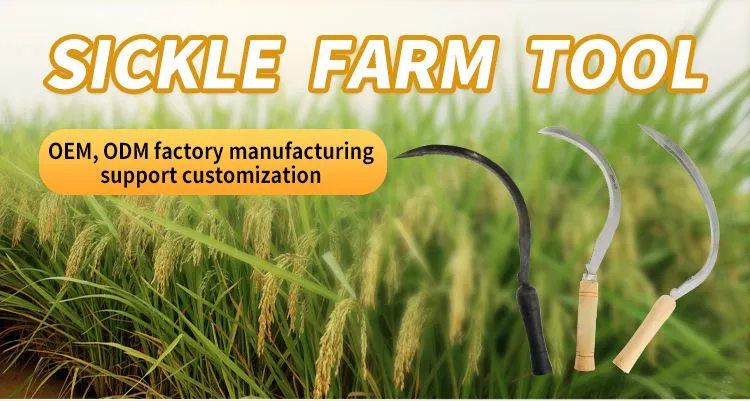
Sickle teeth manufacturing refers to the process of making serrated teeth along the inner cutting edge of a sickle blade. These teeth help the blade catch and pull plant fibers when the user cuts grass, crops, or weeds.
Compared with a smooth blade, a toothed sickle offers better grip and cutting efficiency. This is why serrated sickles are popular in many agricultural markets, including Africa, Southeast Asia, and Latin America.
For B2B buyers, the key point is consistency. If the teeth are uneven, too shallow, or poorly finished, the sickle may not cut smoothly. If the teeth are sharp and well formed, the product becomes easier to sell in local markets.
Why Sickle Teeth Design Matters
The design of sickle teeth directly affects cutting performance. Fine teeth are suitable for grass, rice, wheat, and soft crops. Medium teeth are good for general farm work. Deeper teeth are often used for tougher weeds or thicker plant stems.
Good sickle teeth should have proper depth, spacing, and angle. If the teeth are too small, they may not grip the material well. If the teeth are too rough, the blade may feel difficult to use. A balanced tooth design helps farmers cut faster and work more efficiently.
Main Steps in Sickle Teeth Manufacturing
Steel Material Selection
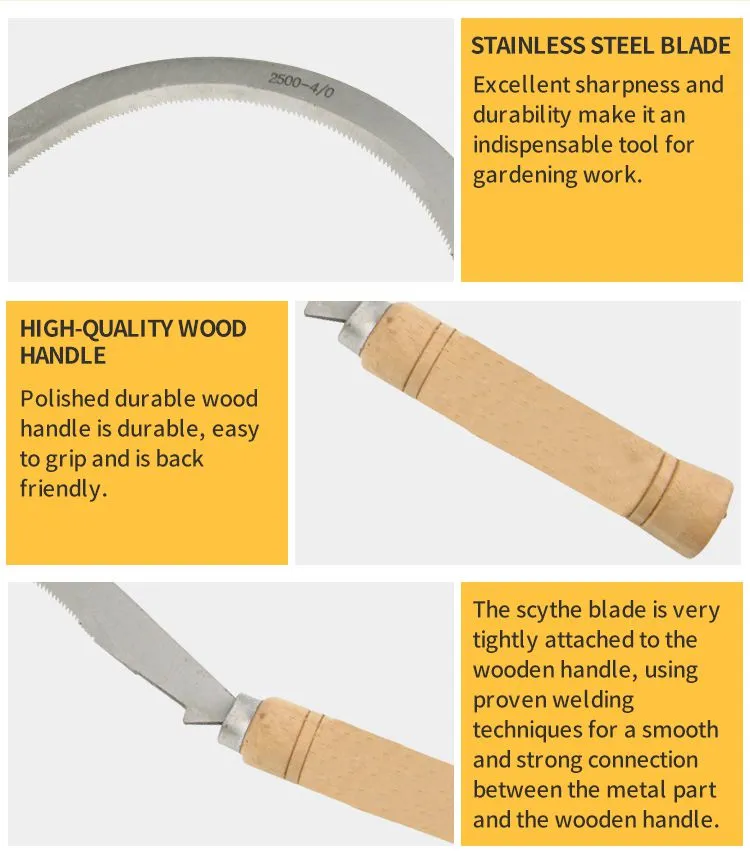
The first step is choosing suitable steel. A sickle blade needs hardness for sharp cutting and toughness to resist bending or breaking. Many agricultural sickles use medium carbon steel or high carbon steel because these materials can provide good sharpness after heat treatment.
Blade Cutting and Shaping
After the steel is prepared, the factory cuts and shapes the blade. Different markets may require different blade sizes, curves, and handle styles. Accurate blade shaping helps the teeth follow the cutting edge properly and keeps bulk orders more consistent.
Teeth Forming
Teeth forming is the core step of sickle teeth manufacturing. The factory creates serrated teeth along the inner edge of the blade. Tooth depth, tooth spacing, and tooth angle must be controlled carefully.
Different buyers may need different tooth patterns. Some markets prefer fine teeth for grass and crop cutting, while others need stronger teeth for tougher weeds. For OEM orders, the tooth design can be adjusted according to samples, drawings, or local market needs.
Heat Treatment
Heat treatment improves blade hardness and cutting durability. A good heat treatment process helps the teeth stay sharp while keeping the blade strong enough for daily farm use.
If the blade is too soft, it may become dull quickly. If it is too hard, it may crack or break. Stable heat treatment is important for long-term product quality.
Grinding and Surface Treatment
After heat treatment, the blade needs grinding and finishing. This step removes burrs, improves sharpness, and makes the teeth cleaner. Surface treatment, such as polishing, painting, or oil coating, helps protect the blade from rust during shipping and storage.
Handle Assembly
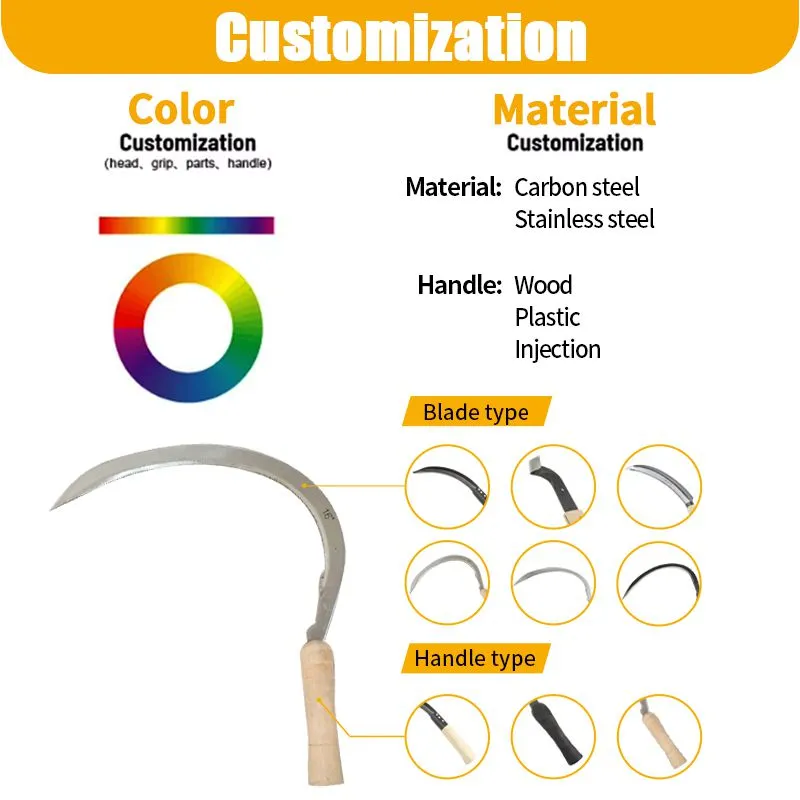
A good sickle also needs a strong handle. Common handle materials include wood, plastic, and injection-molded handles. The handle should be firmly connected to the blade and comfortable for daily use. Buyers can also customize handle color, logo, and packaging for their market.
Quality Control for Serrated Sickles
Quality control is important in every step of production. A reliable sickle factory should check blade size, tooth spacing, tooth depth, blade hardness, edge sharpness, handle strength, surface finish, and packing quality.
For importers and distributors, stable quality is very important. A sharp and durable sickle helps reduce customer complaints and supports long-term cooperation.
How Wholesale Buyers Choose a Good Sickle Supplier
When buying sickles in bulk, buyers should not only focus on price. They should also check the steel material, heat treatment, tooth quality, handle assembly, surface treatment, and export packing.
A good supplier should support OEM customization, including blade size, teeth style, handle material, logo, label, and carton packing. This helps importers create products that better match local market demand.
About Gemlight Sickle Manufacturing
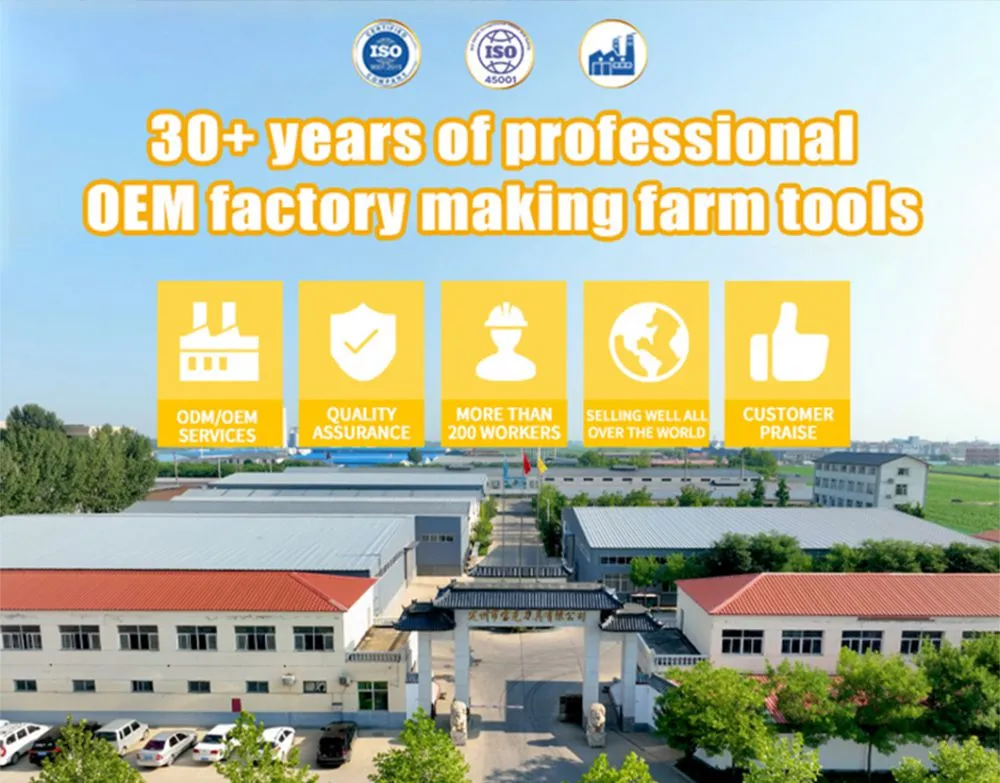
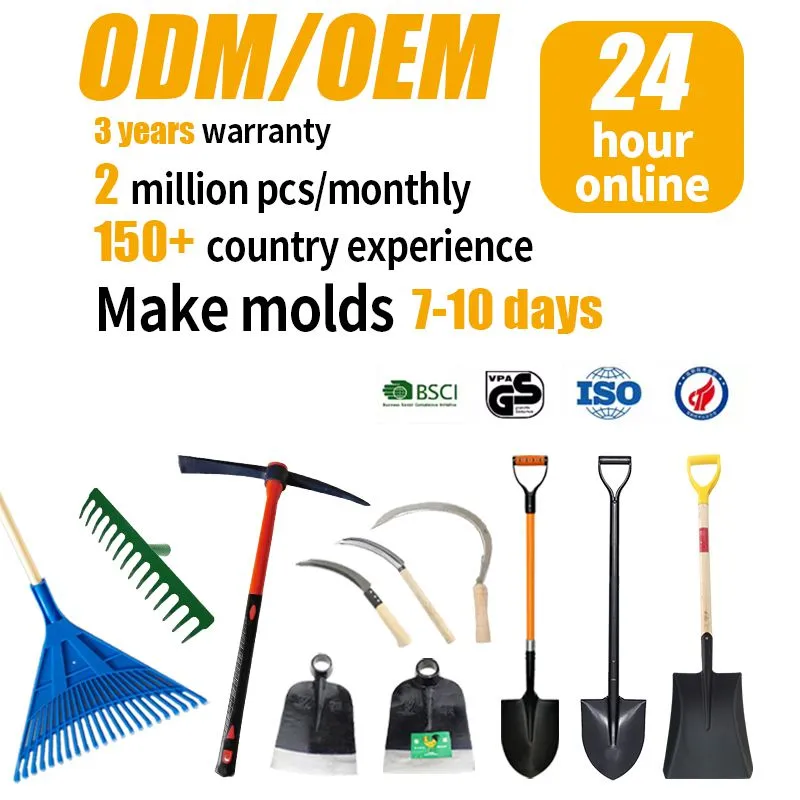
Dingzhou Gemlight Cutting Tools Co., Ltd. is a Chinese agricultural hand tools factory with more than 30 years of manufacturing experience. Our main products include sickles, machetes, shovels, hoes, pickaxes, rakes, axes, and other farm tools.
We serve wholesale buyers, importers, distributors, and trading companies in Africa, Southeast Asia, Central and South America, and other agricultural markets. For sickle products, we support different blade shapes, serrated teeth designs, handle materials, logo customization, and bulk order packing.
If you are looking for sickle teeth manufacturing, serrated sickle blades, or agricultural sickles for wholesale supply, Gemlight can provide practical solutions for your market.
FAQ About Sickle Teeth Manufacturing
What is the purpose of teeth on a sickle blade?
The teeth help the blade grip grass, crops, weeds, and plant fibers during cutting. This improves cutting efficiency and reduces slipping.
Can sickle teeth be customized?
Yes. Tooth depth, tooth spacing, blade size, handle material, logo, and packaging can be customized according to buyer requirements.
What material is commonly used for sickle blades?
Many sickle blades use medium carbon steel or high carbon steel because these materials can offer good sharpness and durability after proper heat treatment.
Why is heat treatment important?
Heat treatment improves blade hardness and helps the teeth maintain cutting performance during repeated farm use.
Conclusion
Sickle teeth manufacturing affects the sharpness, durability, and real cutting performance of agricultural sickles. From steel selection and teeth forming to heat treatment and final inspection, every step influences product quality.
For farmers, a good serrated sickle makes cutting easier. For wholesalers and importers, it means better market feedback, fewer complaints, and more repeat business.
Recently Posted
-
Garden Hoes: Types, Materials, and Wholesale Buying Guide
July 24, 2026The garden hoe is one of the oldest and most essential tools in agriculture. From backyard vegetable patches to commercial farms, Read More
 -
Rain Boots for Agriculture, Construction & Industrial Safety
July 17, 2026Rain boots are far more than simple waterproof footwear. In demanding work environments — from muddy farm fields to wet constructi Read More
 -
The Ultimate Garden Tool Set: Why Every Gardener Needs a Complete Stainless Steel Kit
July 13, 2026The Ultimate Garden Tool Set: Why Every Gardener Needs a Complete Stainless Steel KitGardening is more than just a hobby — it is a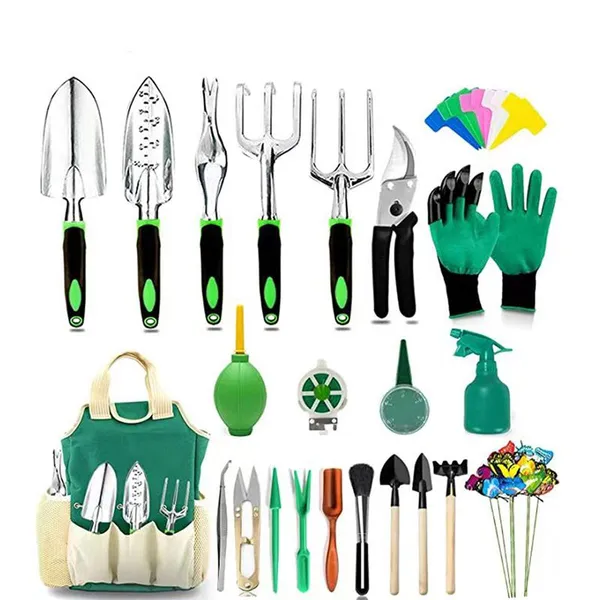 Read More
 -
Meet Gemlight at Big 5 Construct South Africa 2026
June 9, 2026Meet Gemlight at Big 5 Construct South Africa 2026We are pleased to announce that Dingzhou Gemlight Cutting Tools Co., Ltd. will p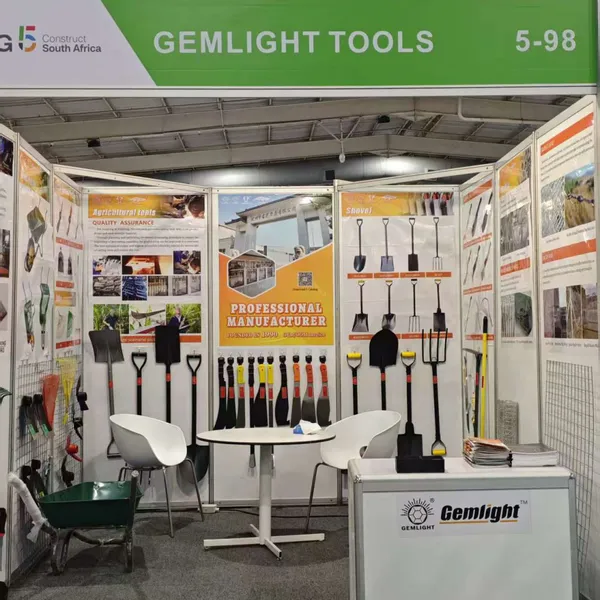 Read More

Contact Us
Recommended Products
-
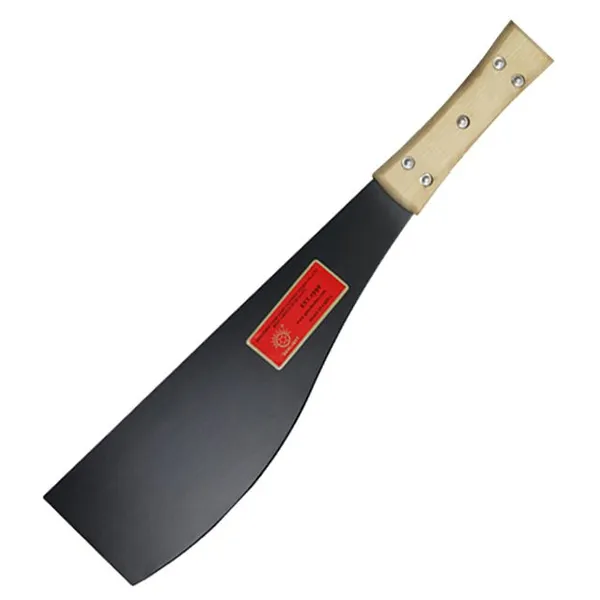
 Large High Carbon Steel Machete Knife Agricultural Machete for Farming Bush Cutting Garden Tool SupplierNegotiableMOQ: 1200 Pieces
 -
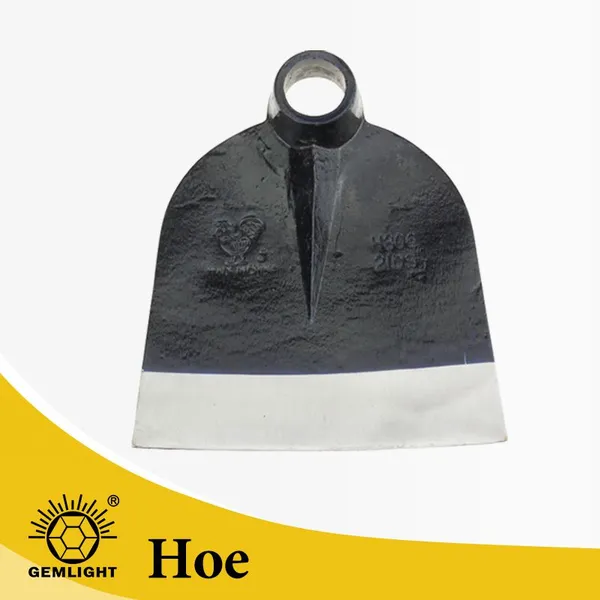
Agricultural Hoe Head Garden Rail Steel Tool for Tough Soil Cheap Price Hand ToolsUS$ 1.07 - 1.27MOQ: 1200 Pieces
-
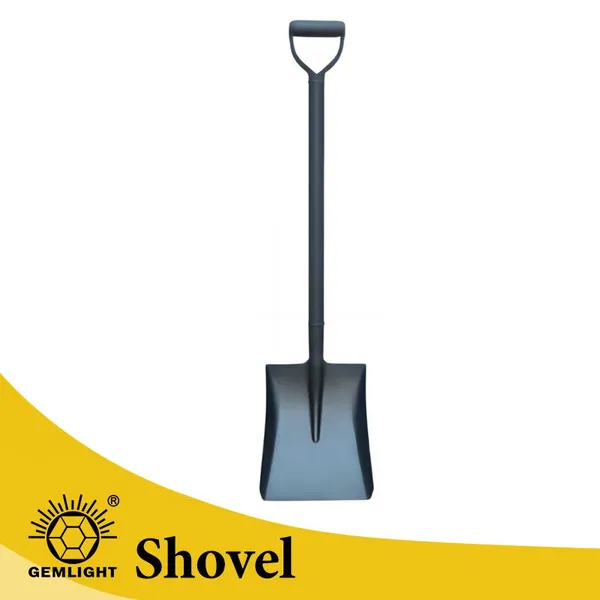
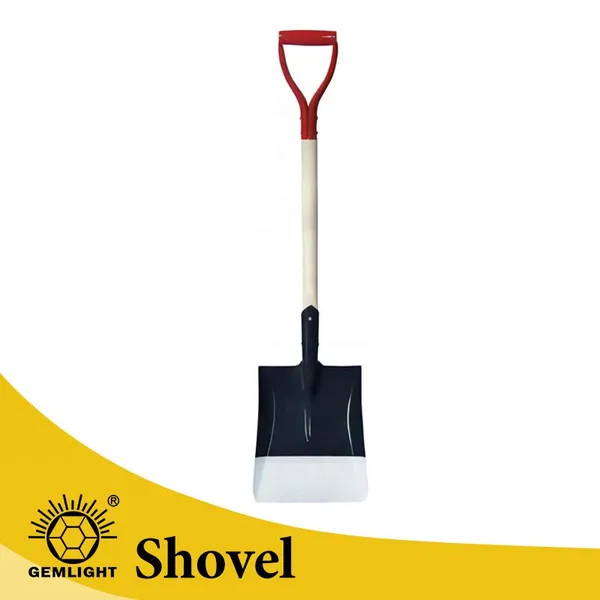
Heavy Duty Manganese Steel Garden Shovel Round Point Digging Shovel With Wooden Handle Farm Tool SupplierUS$ 2.14 - 2.36MOQ: 1200 Pieces
-
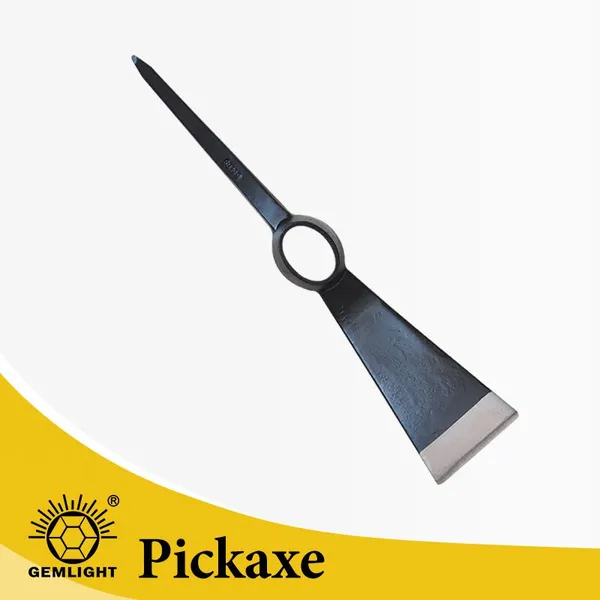
Heavy Duty Rail Steel Cutter Mattock Pickaxe With Wooden Handle for Agriculture Digging and Landscaping ToolUS$ 1.85 - 2.3MOQ: 1200 Pieces
-
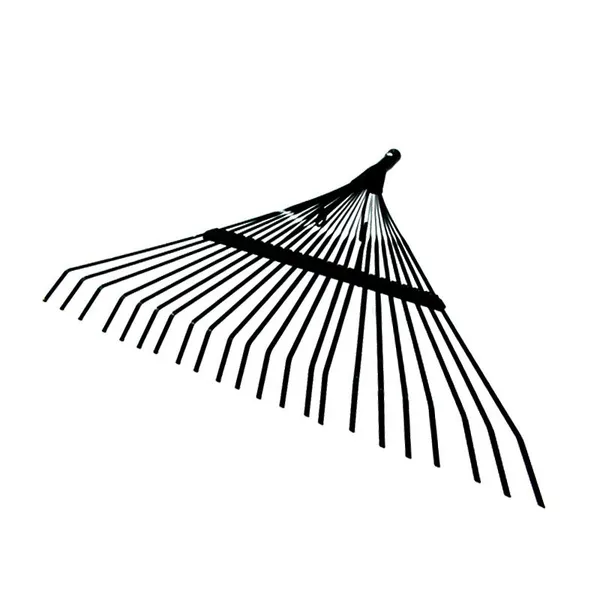
Heavy Duty Garden Rake Lawn Rake Metal Rake 18 Teeth Steel Rake for Leaves Yard Cleaning Farm Garden Agricultural ToolsUS$ 0.88 - 1.35MOQ: 2000 Pieces
-
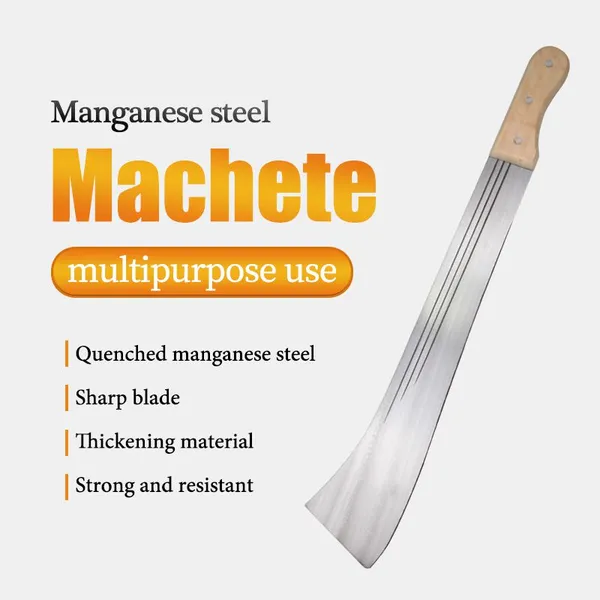
High Manganese Steel Machete, Sharp & Durable Multipurpose Cutting Tool for AgricultureUS$ 1.45MOQ: 1200 Pieces
-
Heavy Duty Rail Steel Mattock Pick Axe With Wooden Handle for Digging Soil Mining and Agricultural Tool SupplierUS$ 1.85 - 2.3MOQ: 1200 Pieces
-
Sturdy Rail Steel Hoe for Weeding, H305 Perfect for Agricultural and Garden TasksUS$ 1.07 - 1.27MOQ: 1200 Pieces
-
Rail Steel Hoe Tool for Agricultural Use Heavy Duty and EfficientUS$ 1.07 - 1.27MOQ: 1200 Pieces
-
Best Garden Hoe, Rail Steel, H304 for Efficient Weeding and Farming WorkUS$ 1.07 - 1.27MOQ: 1200 Pieces
-
Durable Rail Steel Hoe, Ergonomic Handle, H306 for Efficient Weeding and GardeningUS$ 1.07 - 1.27MOQ: 1200 Pieces
-
Industrial Manganese Steel Flat Shovel Square Shovel for Sand Soil Gravel Moving Construction Tool ManufacturerUS$ 1.76 - 1.92MOQ: 1200 Pieces
-
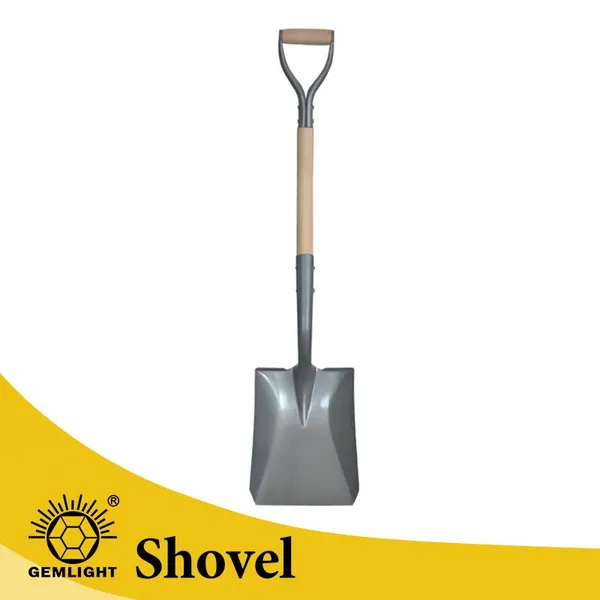
Professional Manganese Steel Square Point Shovel Garden Digging Shovel for Landscaping and FarmingUS$ 2.14 - 2.36MOQ: 1200 Pieces
-
Manganese Steel Garden Spades and Shovels Long Handle Digging Shovel for Agricultural Landscaping WorkUS$ 2.14 - 2.36MOQ: 1200 Pieces
-
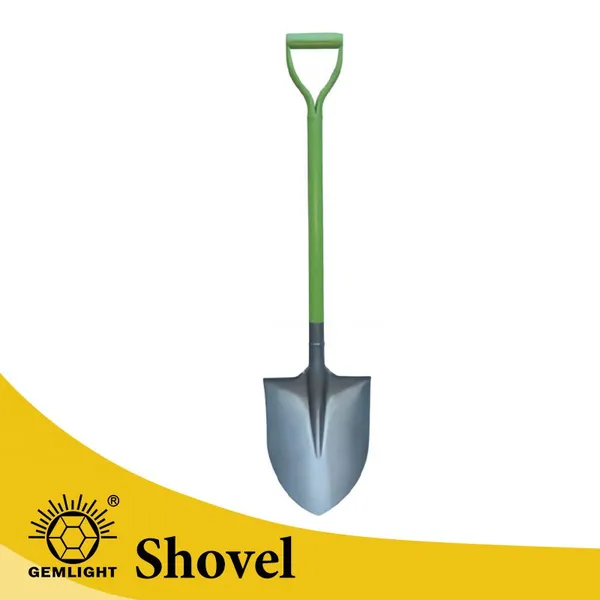
Professional Manganese Steel Round Point Digging Shovel Garden Shovel for Farming Landscaping and Soil WorkUS$ 2.14 - 2.36MOQ: 1200 Pieces
-
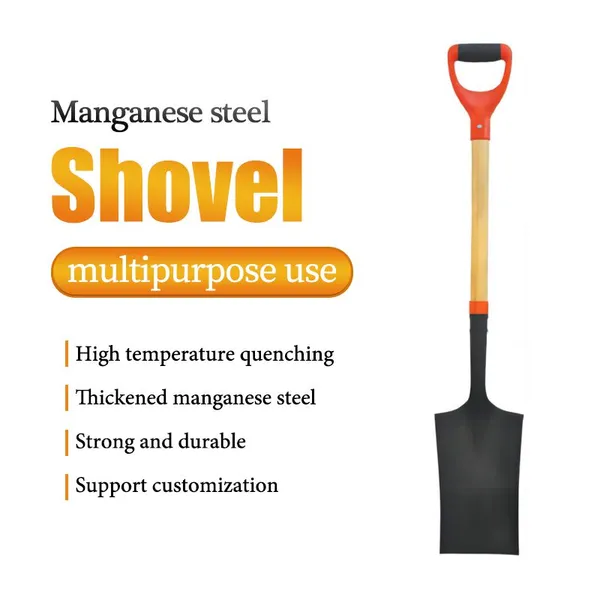
Heavy Duty Manganese Steel Round Point Shovel Garden Digging Shovel With Wooden Handle Agricultural Tool ManufacturerUS$ 2.14 - 2.36MOQ: 1200 Pieces
-
Professional Jungle Machete High Carbon Steel Machete Knife With Wooden Handle Bush Cutting Farm ToolNegotiableMOQ: 1200 Pieces
-
Durable Landscape Rake Yard Leveling Rake Lawn Leveling Rake 20 Teeth Steel Rake for Soil Garden Farm Agricultural ToolsUS$ 0.88 - 1.35MOQ: 2000 Pieces
-
Industrial Rail Steel Pick Mattock Heavy Duty Pickaxe Tool for Mining Digging Farming Tool ManufacturerUS$ 1.85 - 2.3MOQ: 1200 Pieces
-
Rake For Leaves Leaf Rake Garden Rake Durable Plastic Wide Head Lightweight Yard Lawn Leaf Cleaning Tool OEM Wholesale SupplyUS$ 0.68 - 1.16MOQ: 2000 Pieces