
 Business License

what is the difference between a shovel and a spade
What Is the Difference Between a Shovel and a Spade?
When it comes to gardening and outdoor tools, the terms "shovel" and "spade" are often used interchangeably. However, despite their similar appearance and purpose, they are distinct tools with different designs and functions. In this article, we will explore the key differences between a shovel and a spade, their unique features, and their various uses throughout the year.
1. Understanding the Basics: Shovel vs. Spade
At first glance, a shovel and a spade may look nearly identical. Both feature a long handle and a flat blade designed for digging, lifting, and moving materials like soil, gravel, or snow. However, there are a few key distinctions:
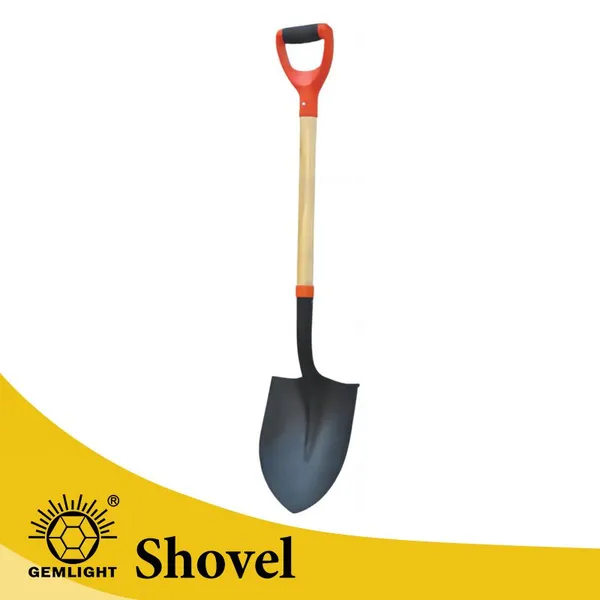
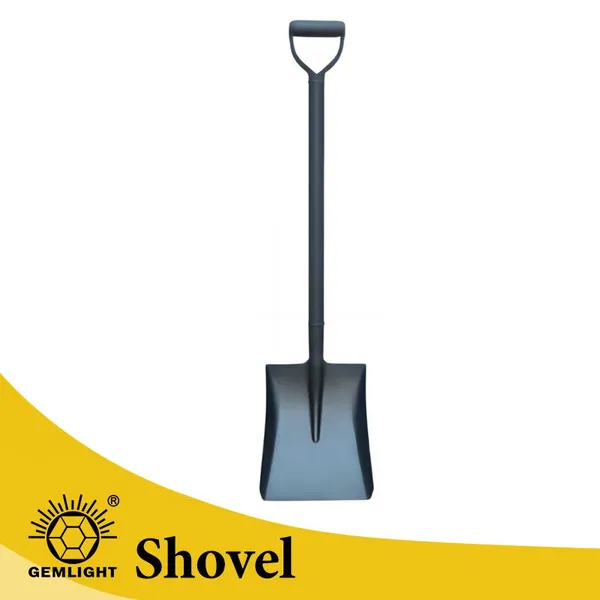
Shovel: A shovel typically has a rounded or slightly curved blade that is designed for scooping, lifting, and moving materials. The blade often features a slight curve or bowl shape that helps to hold the material being dug or moved.
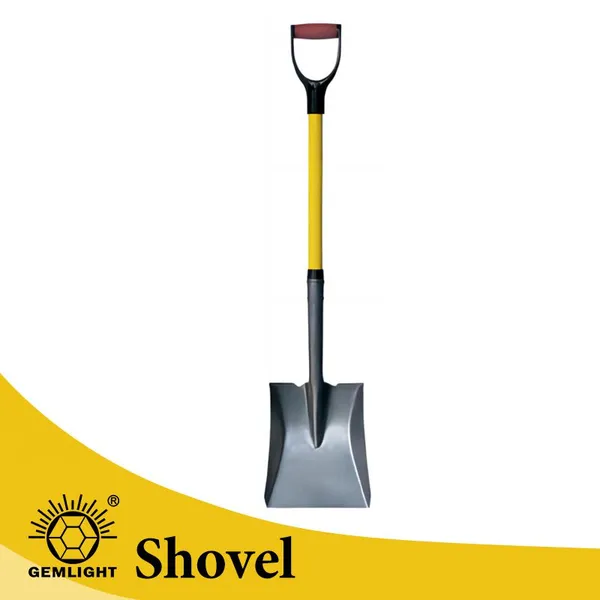
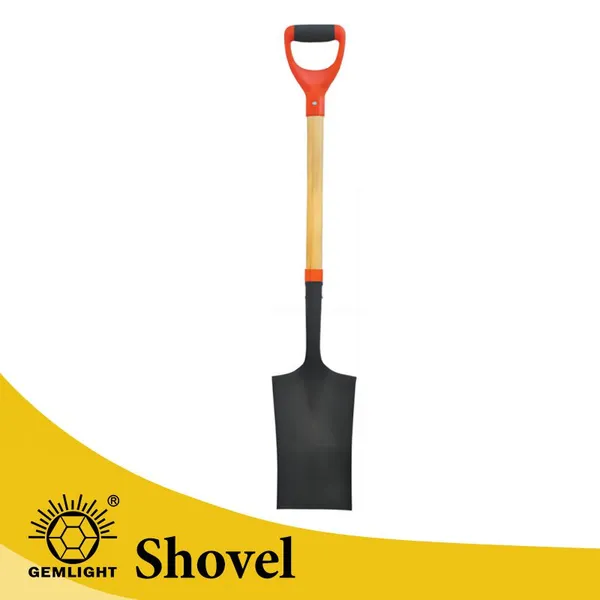
Spade: A spade, on the other hand, has a more rectangular, flat blade with sharp edges, specifically designed for cutting through the soil. The flat blade is great for edging, trenching, and precise digging work.
These differences in design make each tool better suited for specific tasks in the garden or on the job site.
2. Versatility: Why the Round Shovel is a Multi-Tasker
A round shovel, also known as a digging or garden shovel, is known for its versatility. Due to its round, curved blade, it can be used for a wide range of tasks across various settings.
Key Uses of a Round Shovel:
Garden Edging: The round shovel’s curved blade is perfect for creating clean, smooth edges along garden beds or lawns. Its ability to scoop and dig makes it ideal for creating defined borders.
Camp Shovel: Whether you’re camping, hiking, or surviving in the wild, a round shovel is a great tool for digging fire pits, burying waste, or even creating shelter.
Plow Shovel: In colder months, a round shovel becomes essential for clearing snow from driveways, walkways, and roofs. Its scoop-like shape makes it easy to move large amounts of snow quickly.
Trenching Shovel: For more specific tasks like trenching for irrigation or laying cables, the round shovel’s ability to dig deep, narrow trenches is invaluable.
Survival Shovel: In emergency or survival situations, a round shovel can be used to dig for water, build shelters, or even as a defensive tool.
The lightweight yet durable design of a round shovel allows it to be used for both heavy-duty and delicate tasks, such as planting shrubs or digging through compact soil.
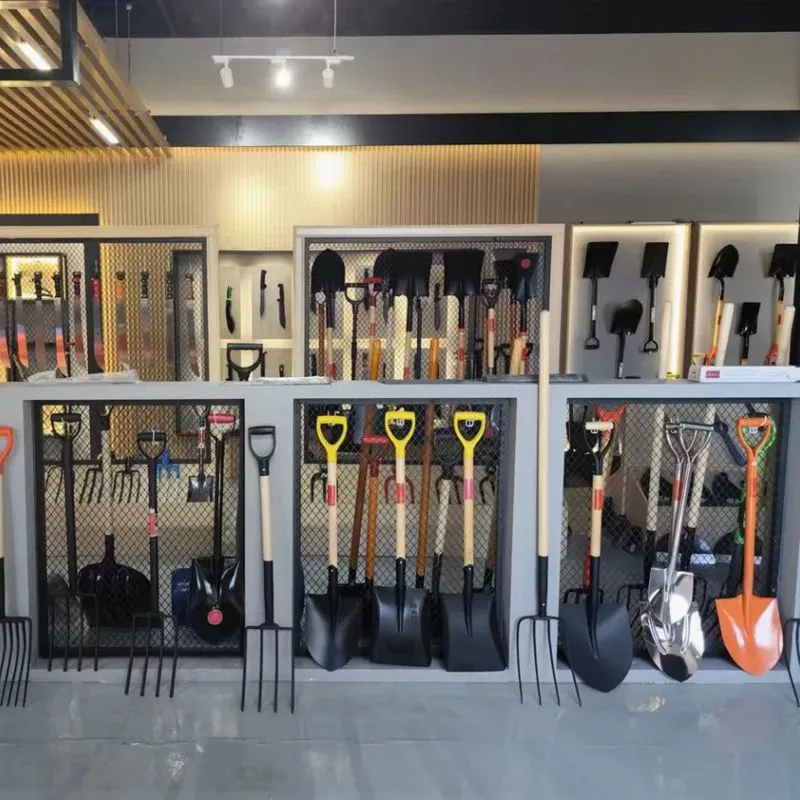
3. Perfect Design for Comfort and Functionality
When it comes to ergonomics, a well-designed shovel can make a world of difference in comfort and efficiency.
D-Shaped Handle for Better Grip:
The D-shaped handle design of modern shovels increases the grip and control you have over the tool. This design is especially helpful when working with tough materials or during prolonged use. The handle’s shape allows for a more natural, comfortable grip that reduces strain on your hands and wrists.
Pedals and Fins on the Blade:
Another excellent design feature found on many shovels is the addition of pedals and fins on the top of the blade. These allow users to step on the shovel for extra force, making it easier to drive the blade into packed soil or hard materials.
Drop-Shaped Shovel Head:
Many round shovels feature a drop-shaped head, which is designed to have a smaller contact surface at the tip and a larger surface towards the top. This design enhances the shovel’s digging capability by providing a more powerful digging action, especially when breaking through tough, compacted soil.
4. Seasonal Use: A Tool for All-Year-Round Work
The beauty of a shovel, especially a round one, lies in its ability to be used year-round, regardless of the season. Here’s how it can be an essential tool in all seasons:
Spring & Summer:
Digging Pits for Transplanting: A round shovel is ideal for digging holes for new trees, shrubs, or flowers. Its rounded blade allows you to dig efficiently and move soil with ease.
Root Removal: If you need to remove old roots or stumps from your garden, a round shovel’s curved blade makes it easier to dig around and lift these stubborn elements.
Lawn Repair & Gravel Moving: Whether you’re fixing a lawn or moving gravel to create pathways, a round shovel’s versatile shape allows for easy handling and material movement.
Fall & Winter:
Leaf & Weed Clearance: As the seasons change, a round shovel is useful for clearing fallen leaves, weeds, and debris. Its scoop-like shape makes gathering and moving these materials a breeze.
Ice and Snow Removal: When the weather turns cold, a round shovel becomes indispensable for removing snow from driveways and walkways. Its design makes it easy to clear large areas efficiently, preventing buildup and ensuring safety.
5. Durability and Longevity: Built to Last
A shovel designed with high-quality materials ensures a long service life, even under tough conditions. Here's what makes modern shovels stand out:
Cold-Rolled Steel Head:
The shovel head is typically made from cold-rolled steel, which is known for its strength and resistance to bending. When the shovel comes into contact with hard stones or other tough materials, it won’t warp or break easily, ensuring long-lasting durability.
High-Temperature Quenching for Hardness:
To enhance the durability of the shovel head, many modern shovels undergo high-temperature quenching. This process increases the steel’s hardness, preventing any bending or deformation during use.
Environmentally Friendly Wooden Handles:
Many shovels feature pure wood handles, which are not only more durable but also environmentally friendly. These handles offer a natural grip that enhances the comfort of the tool while being able to withstand repeated use.
Conclusion: Choosing the Right Tool for the Job
Understanding the differences between a shovel and a spade is crucial when choosing the right tool for your gardening or outdoor projects. Whether you need a versatile round shovel for digging, edging, or snow removal, or a precise spade for trenching and cutting through the soil, each tool has its place in your toolkit.
By selecting the right tool based on your needs, you can ensure that your gardening or outdoor tasks are completed efficiently and with ease. With the added benefits of durability, comfort, and year-round use, a well-designed shovel is an investment that will serve you for many seasons to come.
Recently Posted
-
Carbon Steel Sickles from China: The Complete Guide for Farm Tool Distributors
August 14, 2026How to Import Carbon Steel Sickles from China: The Complete Guide for Farm Tool DistributorsA practical step-by-step guide for dis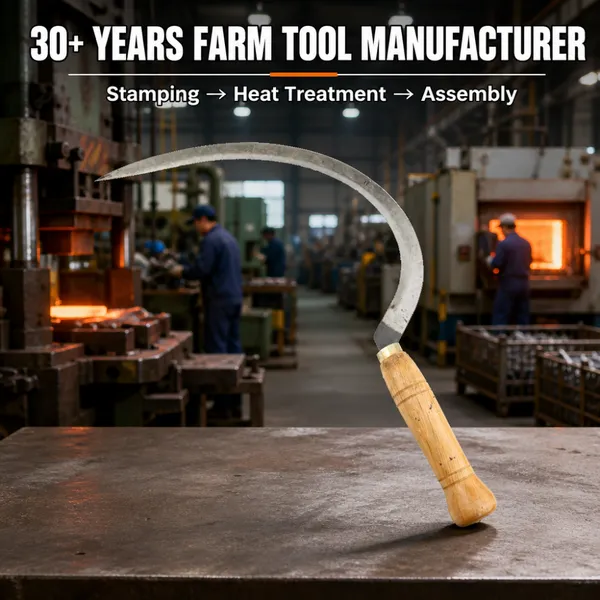 Read More
 -
Heat-Treated Carbon Steel Blades Sickle — Africa's Hottest Farm Tool
August 12, 2026Carbon Steel Sickles: The Complete B2B Buying Guide for Harvest & Farm WorkWhy the world's oldest harvesting tool is still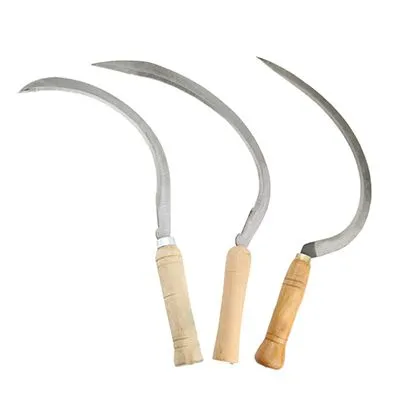 Read More
 -
Welded Manganese Steel Shovels Africa's Go-To Tool for Farming and Construction
July 30, 2026Welded Manganese Steel Shovels: Africa's Go-To Tool for Farming and ConstructionAcross Africa, the shovel is a daily workhorse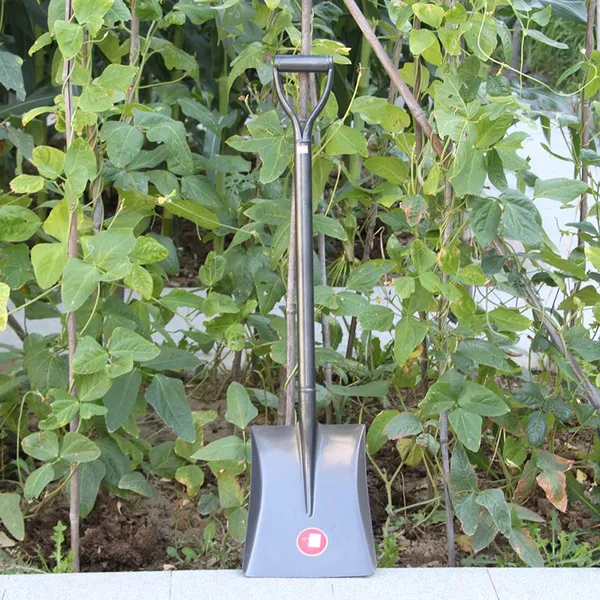 Read More
 -
Garden Hoes: Types, Materials, and Wholesale Buying Guide
July 24, 2026The garden hoe is one of the oldest and most essential tools in agriculture. From backyard vegetable patches to commercial farms,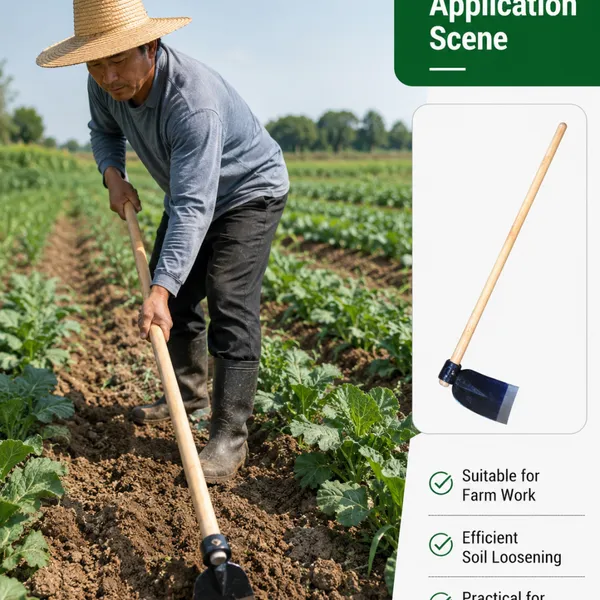 Read More

Contact Us
Recommended Products
-
 Heavy Duty Cane Knife Machete for Wholesale Buyers Factory Direct Export for Rural Agricultural Projects Durable Hand ToolNegotiableMOQ: 1200 Pieces
 -
Agricultural Hoe Head Garden Rail Steel Tool for Tough Soil Cheap Price Hand ToolsUS$ 1.07 - 1.27MOQ: 1200 Pieces
-
Sturdy Rail Steel Hoe for Weeding, H305 Perfect for Agricultural and Garden TasksUS$ 1.07 - 1.27MOQ: 1200 Pieces
-
Heavy Duty Manganese Steel Garden Shovel Round Point Digging Shovel With Wooden Handle Farm Tool SupplierUS$ 2.14 - 2.36MOQ: 1200 Pieces
-
Big Shovel Wide Shovel Mud Shovel Heavy Duty Steel Blade for Farm Drainage Soil Moving Cleaning and Landscaping UseUS$ 2.14 - 2.36MOQ: 1200 Pieces
-
Strong Teeth Soil Rake for Farm Tool Suppliers Private Label Export for Farm Maintenance African Distribution Factory Bulk OrderUS$ 0.88 - 1.35MOQ: 2000 Pieces
-
Manual Cane Knife Machete for Wholesale Buyers Factory Direct Export for Rural Agricultural Projects Durable Hand ToolNegotiableMOQ: 1200 Pieces
-
Large High Carbon Steel Machete Knife Agricultural Machete for Farming Bush Cutting Garden Tool SupplierNegotiableMOQ: 1200 Pieces
-
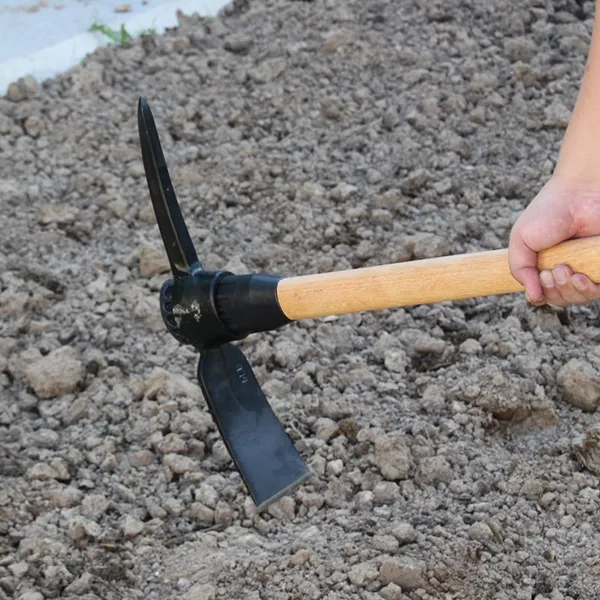
Wholesale Heavy Duty Pick Mattock for Mining Road Work and Farm Digging for Wholesale Tool Dealers With Bulk Order ServiceUS$ 1.85 - 2.3MOQ: 1200 Pieces
-
Carbon Steel Manual Pickaxe for Hard Soil Breaking and Trenching for African Importers With OEM Bulk Order Support Agricultural ToolUS$ 1.85 - 2.3MOQ: 1200 Pieces
-
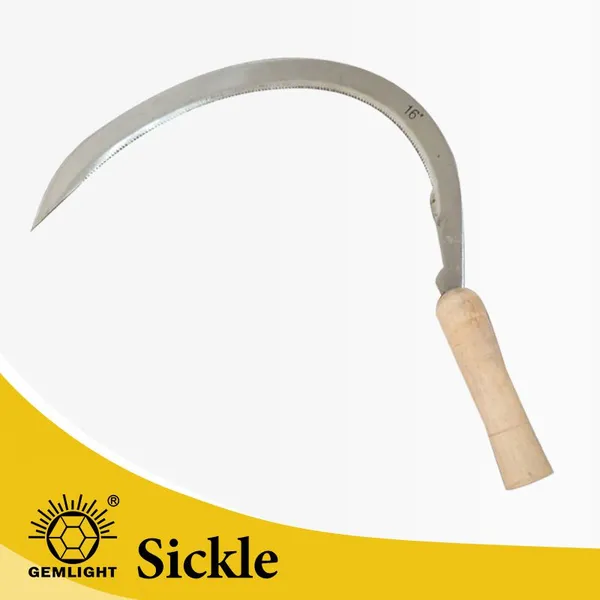
OEM Farm Sickle With Sharp Blade for African Importers OEM Bulk Order Support for Harvesting and Smallholder Farming for Wholesale BUS$ 0.28 - 0.33MOQ: 3000 Pieces
-
Heavy Duty Manganese Steel Round Point Shovel Garden Digging Shovel With Wooden Handle Agricultural Tool ManufacturerUS$ 2.14 - 2.36MOQ: 1200 Pieces
-
Farm Shovel Factory Supply for Regional Import Distributors Bulk Wholesale Supply for Garden Work and Trenching for Agricultural DealersUS$ 2.14 - 2.36MOQ: 1200 Pieces
-
Heavy Duty Garden Rake for African Importers OEM Factory Supply for Agricultural Use African Market Factory Bulk OrderUS$ 0.88 - 1.35MOQ: 2000 Pieces
-
Agricultural Soil Rake for Agricultural Dealers Export Supply for Garden Cleaning African Dealer Channels Factory Bulk OrderUS$ 0.88 - 1.35MOQ: 2000 Pieces
-
Manual Farm Machete for African Importers OEM Factory Supply for Farming and Land Clearing Durable Hand ToolNegotiableMOQ: 1200 Pieces
-
Large Heavy Duty Carbon Steel Garden Landscaping Digging HoeUS$ 1.07 - 1.27MOQ: 1200 Pieces
-
Heavy Duty Rail Steel Mattock Pick Axe With Wooden Handle for Digging Soil Mining and Agricultural Tool SupplierUS$ 1.85 - 2.3MOQ: 1200 Pieces
-
Forged Farm Sickle With Sharp Blade for African Importers OEM Bulk Order Support for Harvesting and Smallholder Farming for WholesalUS$ 0.28 - 0.33MOQ: 3000 Pieces
-
Strong Carbon Steel Farming Sickle for Uganda Tanzania Zambia Agricultural Tool DistributorsUS$ 0.34 - 0.47MOQ: 3000 Pieces